It often begins with a simple curiosity: the desire to transform raw ingredients into a refreshing, personalized beverage. For many aspiring craft brewers, the journey from extract kits to all-grain homebrewing represents a significant leap, demanding specialized equipment and a deeper understanding of the brewing process. If you find yourself, or a beloved brewer in your life, on this path, selecting the right tools becomes paramount. As highlighted in the accompanying video from Bitter Reality Brewing, the supply chain challenges of recent times necessitate forward-thinking when acquiring essential homebrewing equipment.
Indeed, planning ahead for significant purchases, whether for holiday gifts, birthdays, or personal upgrades, is a prudent strategy to circumvent potential delays. This comprehensive guide, expanding on the insights shared in the video, delves into critical beer brewing equipment items that elevate the all-grain experience, offering professional functionality and enhancing overall brew day efficiency. From integrated brewing systems to precision instruments, these selections are designed to deliver exceptional results for the dedicated homebrewer.
Navigating the Homebrewing Equipment Landscape
The transition to all-grain brewing marks a commitment to quality and control, necessitating robust and reliable equipment. Unlike simpler extract methods, all-grain brewing involves mashing grains to convert starches into fermentable sugars, a process that benefits immensely from specialized tools. Consequently, investing in high-caliber brewing gear not only simplifies complex tasks but also significantly improves the consistency and flavor profile of your finished beer. We explore some of the top-tier items that truly make a difference in the modern home brewery, detailing their benefits and practical applications.
Advanced All-in-One Brewing Systems: The Heart of Your Brewhouse
Modern all-in-one brewing systems have revolutionized homebrewing, consolidating several traditional pieces of equipment into a single, efficient unit. These systems combine mash tun, lauter tun, and boil kettle functionalities, often integrating heating elements and pumps. For brewers focused on streamlining their operations and maximizing space, an all-in-one unit is an indispensable asset. They offer precise temperature control and powerful heating, which are critical for successful mashing and boiling.
The Anvil Foundry 10.5 Gallons: Precision and Versatility
The Anvil Foundry 10.5 Gallons stands out as a formidable contender in the all-in-one segment, acclaimed for its robust construction and intuitive operation. Priced around $400 without a pump or $500 with a recirculation pump, it offers substantial value. This system is capable of operating on either 110V or 240V power, providing flexibility in various brewing environments. Moreover, with an optional $30 small batch adapter, brewers can scale down production to as little as two gallons, catering to experimental batches or smaller brewing needs.
A key feature of the Anvil Foundry, as well as its alternatives, is the inclusion of low-density burners. These burners distribute heat more evenly across the bottom of the kettle, significantly reducing the risk of scorching the mash or wort. Scorching can introduce off-flavors, so this design consideration is a genuine game-changer for maintaining beer quality. The integrated recirculation pump, if opted for, allows for continuous wort movement during the mash, enhancing efficiency and clarity.
The Brewzilla 3.1.1: A Robust Alternative
For those exploring alternatives, the Brewzilla 3.1.1 (or its current iteration) presents another excellent all-in-one solution. Ranging from $400 to $480, it typically includes a pump and also supports both 120V and 240V operations. Like the Anvil Foundry, the Brewzilla boasts low-density heating elements, reinforcing its commitment to preventing wort scorching. While these systems efficiently handle five to six-gallon batches, brewers should be mindful of potential limitations with very high gravity or large grain bills, which might require slight adjustments to recipes or processes.
Optimizing Fermentation with Superior Vessels
The fermentation stage is where wort truly transforms into beer, and the vessel chosen for this critical process directly impacts the final product’s quality. Efficient fermentation management, including temperature control and sanitation, is paramount. Investing in a high-quality fermenter ensures a clean and consistent environment for yeast, mitigating risks of contamination and off-flavors. Furthermore, certain fermenter designs offer advantages in yeast harvesting and minimizing oxygen exposure, which are vital for advanced brewing practices.
The Anvil Conical Fermenter: Professional-Grade Performance
The Anvil Conical Fermenter represents a significant upgrade for serious homebrewers, offering features traditionally found in professional breweries. A 7-gallon model costs approximately $275, while a 14-gallon version, suitable for larger 10-gallon batches, is around $325. Conical fermenters are designed with a tapered bottom that allows yeast and trub to settle efficiently, making for easier harvesting and cleaner transfers without disturbing the sediment. This design also significantly simplifies cleaning, a crucial aspect of maintaining hygiene.
This system also offers a plethora of accessories, from leg extensions for accommodating kegs underneath, to specialized yeast capturing and zero-oxygen add-ons. These enhancements provide unparalleled control over the fermentation environment. Yeast harvesting, in particular, becomes a much cleaner and more efficient process, allowing brewers to re-pitch healthy yeast for subsequent batches. For brewers already equipped with a conical, these accessories make excellent thoughtful gifts or stocking stuffers, further enhancing their existing setup.
Budget-Friendly Pressure Fermenting Solutions
For those seeking a more budget-conscious entry into advanced fermentation techniques, viable options exist. A versatile pressure-capable fermenter can be acquired for approximately $60, with optional securing straps costing an additional $10 to $12. This type of fermenter allows for pressure fermentation, which can significantly reduce fermentation times and produce cleaner flavor profiles by suppressing certain ester formations. It also facilitates closed transfers, minimizing oxygen exposure during packaging, a critical factor for extending beer shelf life and preventing oxidation.
These fermenters are often designed to be highly versatile, accommodating various batch sizes and offering a lower profile, making them suitable for space-constrained brewing environments. While they might not have the full suite of specialized add-ons of a conical, their ability to perform pressure fermentation and closed transfers at a fraction of the cost makes them an attractive option for many homebrewers looking to experiment and elevate their techniques without a substantial financial outlay. Their ease of cleaning further contributes to their practicality, ensuring brewers can maintain rigorous sanitation protocols.
Mastering Wort Chilling: The Jaded Brewing Scylla
Rapidly chilling wort after the boil is crucial for preventing unwanted bacterial infections and encouraging “cold break,” which helps clarify the beer. An efficient wort chiller dramatically reduces the time wort spends in the temperature danger zone, where spoilage organisms can thrive. The Jaded Brewing Scylla Immersion Chiller, priced at approximately $170, represents a significant advancement in this category. Its unique design, effectively functioning like three immersion chillers in one, provides incredibly fast cooling times. This speed not only saves time on brew day but also minimizes the risk of off-flavors caused by slow chilling, such as DMS (dimethyl sulfide).
This chiller’s robust engineering ensures longevity and consistent performance, a testament to its quality construction. The ability to chill large volumes of wort quickly is particularly beneficial for all-grain brewers who typically manage five-gallon or larger batches. Brewers who have invested in this system often praise its efficiency and reliability, making it a highly recommended upgrade for any brewhouse. The rapid chilling capability truly sets it apart, allowing brewers to move swiftly from boil to fermentation with confidence.
Precision Grain Milling for Peak Efficiency: The Cereal Crusher
For all-grain brewers, controlling the crush of their malt is paramount to achieving optimal efficiency and preventing stuck mashes. Purchasing pre-crushed grain can be convenient, but it often sacrifices freshness and consistency. A quality grain mill empowers brewers to crush their malt precisely when needed, ensuring maximum enzymatic activity and sugar extraction. The Cereal Crusher, a reliable two-roller grain mill, priced around $100 to $120 (sometimes found on sale for $89), serves as an excellent entry point for brewers transitioning from extract to all-grain. It provides a consistent crush, exposing the starchy endosperm for conversion while keeping the husks largely intact to form a natural filter bed during lautering.
This consistency helps achieve higher mash efficiency, meaning more sugars are extracted from the grain, leading to stronger beers or requiring less grain for the same target gravity. While more advanced mills like Monster Crushers offer additional features, the Cereal Crusher has proven its durability and effectiveness over many years. Many users opt to motorize it with a battery-operated drill, further enhancing its efficiency and reducing physical effort. This simple yet effective piece of homebrewing equipment provides a tangible benefit in both cost savings and beer quality.
The Essential Mash Paddle: Craftsmanship Meets Function
While seemingly a simple tool, a well-designed mash paddle is indispensable for any all-grain brewer. It is used to thoroughly mix grains with strike water, ensuring an even temperature throughout the mash bed and preventing dough balls. A high-quality paddle is particularly important in all-in-one systems where grain can settle and scorch on the bottom if not adequately stirred. Custom wooden brew paddles, such as those crafted by artisans like Beer City Wood Works on Etsy, combine functionality with aesthetic appeal, making them a thoughtful and practical gift.
These custom paddles typically range from $50 to $100, with prices varying based on size, wood type, and intricate design. The specific design and material of a wooden paddle are advantageous; wood is gentle on brewing equipment surfaces and less likely to scratch stainless steel kettles compared to metal paddles. Furthermore, the broad surface area and ergonomic design of these paddles facilitate efficient stirring, especially when dealing with sticky grains like wheat or rye. A well-maintained wooden paddle becomes a cherished tool, reflecting the brewer’s dedication to their craft and often eliciting compliments from fellow enthusiasts.
Advanced Gravity Tracking: The Tilt Hydrometer & Physical Alternatives
Accurate measurement of specific gravity is fundamental to homebrewing, indicating sugar content and tracking fermentation progress. Traditional hydrometers require drawing off samples, which introduces a risk of oxygen exposure and can be cumbersome. Modern advancements, however, provide continuous, non-invasive monitoring, offering unprecedented insight into fermentation dynamics. This precision helps brewers make informed decisions about fermentation completion, dry hopping, and packaging.
Real-Time Monitoring with the Tilt Hydrometer
The Tilt Hydrometer revolutionizes gravity tracking by providing real-time, continuous readings wirelessly to a smartphone or compatible device. Priced around $135, this innovative device floats directly in the fermenter, transmitting data without the need to open the vessel. This minimizes oxygen exposure, a critical factor for preventing off-flavors and extending beer shelf life. The speaker, with five Tilt hydrometers, attests to their reliability, noting that even his oldest unit is still operating on its original battery after three years.
The Tilt’s ability to fit into fermenters with small openings, including glass carboys, makes it uniquely versatile. It allows brewers to monitor gravity trends from start to finish, providing invaluable data on fermentation kinetics and ensuring the yeast has completed its work. This constant feedback empowers brewers to confidently know when fermentation is truly complete, leading to better-quality beer and a more efficient brewing schedule. While still advisable to cross-reference with a physical hydrometer for initial calibration, the Tilt offers unparalleled convenience and insight.
Brewing America Physical Hydrometer: Calibration and Accuracy
Despite the rise of digital tools, a high-quality physical hydrometer remains an indispensable instrument in any homebrewery, primarily for calibration and verification. The Brewing America Triple Scale Hydrometer, often available as a full kit with a glass test tube, cleaning rag, and brush for approximately $45, offers exceptional value. This specific hydrometer includes an integrated thermometer, a crucial feature for accurate readings. Specific gravity readings are temperature-dependent, typically calibrated for 60°F (15.5°C). The built-in thermometer allows brewers to easily measure the wort’s temperature and apply necessary corrections using an online calculator, ensuring precise gravity measurements.
Using a physical hydrometer for an initial reading also serves as an essential calibration step for digital devices like the Tilt, ensuring their accuracy throughout fermentation. Brewing America products are known for their quality and are produced by an American company, adding another layer of appeal for many brewers. Its robust construction and ease of use make it a reliable choice for any homebrewer, providing a foundational tool for understanding and controlling fermentation.
Temperature Control: The Infrared Thermometer Advantage
Precise temperature control is vital throughout the brewing process, from strike water to mash rests and boil. While brewing systems like the Anvil Foundry incorporate temperature sensors, a handheld infrared thermometer offers quick, non-contact surface temperature readings. An inexpensive model from a trusted brand like Inkbird, often costing around $20, provides immense utility. This simple point-and-shoot device is invaluable for monitoring the surface temperature of wort as it heats up, especially when using a basic brew kettle without integrated sensors.
Beyond the brew day, an infrared thermometer proves useful in myriad ways around the house, checking for drafts, appliance functionality, or even pizza oven temperatures. In brewing, it offers a quick sanity check for mash temperatures or the initial temperature of cooling wort. This quick utility helps brewers avoid guesswork and maintain tighter control over critical temperature points, contributing to consistent brew quality. Its low cost and broad applicability make it a highly practical addition to the homebrewer’s toolkit.
Streamlining Your Bottling Process for Sharing Success
After weeks of meticulous brewing and fermentation, the final step—packaging—is often the most labor-intensive. For brewers who bottle their creations, efficient and sanitary methods are essential for preserving beer quality and ensuring a pleasant experience. Streamlining the bottling process frees up valuable time and reduces the chance of oxidation or contamination, both of which can spoil a perfectly good batch. The right tools can transform bottling from a chore into a rewarding part of sharing your homebrew. Craft brewers recognize that sharing is a vital aspect of the hobby, fostering community and encouraging feedback.
The TapCooler: Effortless Bottle Filling
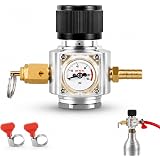
The TapCooler is a game-changer for single brewers seeking an efficient way to bottle their beer directly from a keg or fermenter. This counter-pressure bottle filler, typically priced around $80, allows for oxygen-free filling of bottles, crucial for maintaining beer freshness and stability. Its design is particularly user-friendly for one person, eliminating the need for an extra set of hands often required with other bottling methods. The TapCooler inserts directly into a tap, allowing for rapid and controlled filling.
This system minimizes foam and precisely controls the liquid level in each bottle, ensuring consistent fills and reducing wastage. For homebrewers who produce five-gallon batches, sharing with friends, family, or colleagues is a common practice. The TapCooler facilitates this communal aspect of brewing, enabling easy distribution of bottled beer. Its compact size further ensures it does not take up excessive storage space, a perpetual concern for many homebrewers with expanding equipment collections.
Reliable Sealing: The Bench Bottle Capper
Once bottles are filled, a reliable seal is paramount for preserving carbonation and preventing spoilage. A quality bottle capper ensures consistent, airtight seals without damaging bottles. The simple bench bottle capper, often found for around $40-$50, is a robust and highly effective tool that outperforms less stable handheld models. This capper features adjustable height settings, accommodating various bottle sizes, from standard 12oz bottles to shorter Sierra Nevada-style bottles, often marked with Sharpie indicators for quick adjustments.
Its sturdy construction allows brewers to apply consistent downward pressure, creating a secure seal with minimal effort. Critically, bench cappers significantly reduce the risk of breaking bottle necks, a common frustration with older, less stable cappers. The option to mount the capper to a wooden surface further enhances stability and ease of use, ensuring a smooth and efficient capping process for every bottle. This essential piece of homebrewing equipment provides peace of mind that your hard-earned brew is safely sealed and ready for enjoyment or sharing.
Efficient Bottle Storage and Sanitation: The Bottle Tree
For brewers who frequently bottle, managing a collection of clean, ready-to-use bottles can be a challenge. The bottle tree offers an ingenious solution for compact storage and efficient air-drying after cleaning or rinsing. These units, varying in capacity from 45 to 90 bottles (with the speaker’s holding approximately 90), take up minimal floor space while maximizing vertical storage. Often costing between $30 and $60, a bottle tree is an incredibly practical and often underestimated piece of gear.
After consumption, bottles can be quickly rinsed and placed upside down on the tree, allowing them to air dry thoroughly and preventing the growth of mold or bacteria. This passive drying method eliminates the need for towels, reducing lint contamination and ensuring bottles are pristine for the next bottling run. A bottle tree simplifies the logistical nightmare of accumulating dozens of empty bottles, turning a potential clutter issue into an organized, sanitary storage system. This allows brewers to maintain a ready supply of sanitized vessels for sharing their latest creations with friends and colleagues.
Fermenting Your Queries: A Homebrew Q&A
What is all-grain homebrewing?
All-grain homebrewing is a method where you mash grains to convert their starches into fermentable sugars, providing more control over your beer’s flavor and quality compared to extract kits.
Why is specialized equipment important for all-grain brewing?
Specialized equipment simplifies the complex tasks involved in all-grain brewing, helping you achieve greater consistency and improve the overall flavor profile of your finished beer.
What is an all-in-one brewing system?
An all-in-one brewing system combines several traditional pieces of equipment, such as the mash tun and boil kettle, into a single, efficient unit. This helps streamline your brewing process and maximize space.
Why is it important to chill wort quickly after boiling?
Rapidly chilling wort after the boil is crucial to prevent unwanted bacterial infections and to encourage ‘cold break,’ which helps clarify the beer by removing unwanted proteins.
What is a hydrometer used for in homebrewing?
A hydrometer is used to accurately measure the specific gravity of your wort or beer, which indicates its sugar content and helps you track the progress of fermentation.