Imagine waking up to the rich, inviting aroma of freshly brewed coffee, a scent that promises a moment of pure bliss. For many, this dream becomes a daily reality thanks to one of the simplest yet most rewarding brewing methods: the French Press. While specialized baristas often craft complex coffee beverages, achieving an exceptional cup at home can be surprisingly straightforward and wonderfully satisfying. If you have just watched the accompanying video detailing the step-by-step process, you have witnessed how accessible this method truly is. Now, let us delve deeper into the nuances that elevate a good cup of French Press coffee into a truly outstanding one.
Unlocking the Richness: The French Press Coffee Experience
The French Press method is celebrated for its ability to produce a full-bodied, aromatic cup of coffee. Unlike drip coffee makers that rely on paper filters, a French Press uses a mesh filter. Consequently, this allows more of the coffee’s natural oils and fine sediment to pass into your cup, which contributes to a more robust flavor profile and a distinct mouthfeel. It is often regarded as a pure way to experience the inherent qualities of your chosen coffee beans.
When one considers the affordability of a French Press and the quality of coffee it yields, it becomes clear why this brewing device remains a favorite among home enthusiasts. An exceptional coffee experience, once thought to be exclusive to cafés, can readily be created in your own kitchen.
Essential Tools for Crafting Your Perfect French Press
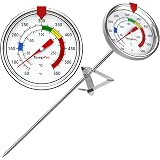
Before the brewing process commences, it is advisable to gather the necessary tools. Minimal equipment is actually required for this method, which is another reason for its widespread appeal. The primary item is, of course, the French Press itself. Furthermore, a reliable coffee grinder is essential for achieving the correct grind size, while a kettle for heating water and a measuring spoon or scale for coffee grounds are also needed. An optional but recommended item is a thermometer, which aids in precise temperature control, though effective methods exist for those without one.
Preparation is Key: Preheating and Grinding Your Coffee Beans
The foundation of a great cup of French Press coffee is often established even before the brewing begins. Proper preparation can significantly impact the final taste and temperature of your beverage.
Firstly, the importance of preheating the coffee press and your mug cannot be overstated. When hot water is introduced into a cold carafe, some of its heat energy is immediately transferred to warm the glass or metal. Consequently, this causes the brewing water temperature to drop, potentially leading to under-extraction and a less flavorful cup. By preheating, a stable brewing temperature is maintained, which ensures that the coffee flavors are optimally extracted. Imagine if a chef were to cook a delicate dish in a cold pan; the results would undoubtedly be compromised.
Secondly, the grinding of your coffee beans is a critical step, as highlighted in the video. For French Press coffee, a coarse or medium-coarse grind is typically recommended. This specific grind size is crucial because the French Press utilizes an immersion brewing method, where the coffee grounds steep directly in the water for an extended period. If the coffee is ground too finely, several issues can arise:
- **Over-extraction:** Fine grounds have a larger surface area, leading to quicker extraction. In the longer steeping time of a French Press, this can result in a bitter, astringent taste.
- **Sludginess:** Fine particles can easily pass through the mesh filter, leaving sediment or ‘sludge’ in your cup, detracting from the overall enjoyment.
- **Difficult Pressing:** A fine grind can create too much resistance, making it hard to press the plunger down slowly and smoothly.
Conversely, if the grind is too coarse, insufficient surface area is exposed to the water, which can lead to under-extraction and a weak, watery coffee. Therefore, finding that ideal coarse, uniform grind is paramount for a balanced and clean cup.
The Golden Ratio: Measuring Coffee and Water for French Press Coffee
Consistency is often regarded as the secret to consistently delicious coffee. A key element of this consistency is the precise measurement of both coffee grounds and water. The video suggests starting with a ratio of 8 grams (1 tbsp.) of coarse ground coffee per 4 oz. (118 ml.) of water. This is an excellent starting point for beginners, as it provides a solid foundation from which adjustments can be made.
- **Understanding the Ratio:** This particular ratio typically equates to roughly 1:15, meaning for every 1 gram of coffee, 15 ml of water is used. However, personal preference plays a significant role in determining the perfect coffee-to-water ratio.
- **Adjusting for Taste:** If a stronger cup is desired, a slightly higher coffee-to-water ratio can be adopted (e.g., 1:12 or 1:13). Conversely, for a milder brew, a ratio of 1:16 or 1:17 might be preferred. It is recommended that experimentation be conducted with small adjustments to discover one’s ideal balance.
- **Using a Scale:** For the utmost precision, using a digital kitchen scale to measure coffee grounds by weight (grams) is far more accurate than measuring by volume (tablespoons). The density of coffee beans can vary, making volumetric measurements less reliable.
Achieving Optimal Water Temperature for French Press Coffee
The temperature of the water used for brewing coffee is another critical variable that influences extraction. Water that is too hot can burn the coffee grounds, resulting in a harsh, bitter taste. Conversely, water that is too cool will not adequately extract the flavors, leading to a weak and sour cup. The ideal brewing temperature range for coffee is generally considered to be between 195°F and 205°F (90°C and 96°C).
As the video adeptly points out, if a thermometer is not available, a practical method exists to achieve this optimal temperature. After water has come to a full boil, allowing it to sit for approximately 30-45 seconds will typically bring it down to the desired range. During this brief cooling period, the water temperature will naturally decrease from 212°F (100°C) to just below boiling, which is perfect for French Press brewing. This simple tip ensures that even without specialized equipment, an ideal brewing environment can be created for the coffee grounds.
The Immersion Process: Pouring, Stirring, and Steeping
With the grounds measured and the water at the correct temperature, the brewing process can finally commence. This stage is where the magical transformation from grounds to a rich beverage truly occurs.
First, the hot water is poured over the measured coffee grounds. It is often recommended that the pour be done in two stages. Initially, just enough hot water should be added to saturate the grounds completely. This step is known as the ‘bloom.’ During the bloom, carbon dioxide, which is trapped within the coffee beans from the roasting process, is released. This release of gas indicates fresh coffee and is thought to allow for a more even extraction of flavors. After about 30 seconds, the remaining hot water can be added.
Once all the water has been poured, a gentle stir is performed. This ensures that all the coffee grounds are thoroughly immersed in the water and that no dry pockets remain. A spoon or stir stick can be used for this purpose, but care should be taken not to over-agitate the mixture.
Subsequently, the lid is placed on the French Press, and the coffee is allowed to steep for approximately 4 minutes. This steeping time is generally considered the sweet spot for French Press coffee, allowing sufficient time for the water to dissolve the flavorful compounds from the coffee grounds without leading to over-extraction. Throughout this period, the coffee is effectively infusing, much like tea, allowing a complex flavor profile to develop. The duration of this steeping process greatly influences the strength and character of the final brew.
The Plunge and Serve: Completing Your French Press Journey
After the designated steeping time has elapsed, the final crucial step is the pressing of the plunger. This action separates the coffee grounds from the liquid, making it ready for enjoyment. It is imperative that the plunger be pressed down slowly and steadily.
- **The Slow Press:** Rushing this step can force fine coffee particles through the mesh filter, resulting in a gritty cup. Furthermore, a rapid plunge can create turbulence, which may disturb the settled grounds and lead to bitterness if they are agitated too much.
- **Even Pressure:** An even and consistent downward pressure should be applied. If resistance is felt, it often indicates that the grind might be too fine or that too much coffee was used. Gentle adjustments to the pressure should be made if this occurs.
Once the plunger has reached the bottom, the coffee is ready to be poured and enjoyed. It is highly recommended that all the coffee be served immediately or transferred to a separate thermal carafe. If the coffee is left in the French Press with the grounds, extraction will continue, leading to an increasingly bitter and unpleasant taste over time. This continued extraction is often referred to as ‘over-extraction’ and is a common pitfall for those new to French Press brewing.
Troubleshooting Common French Press Issues
Even with a clear guide, minor issues can sometimes arise during French Press brewing. Understanding how to address these can greatly enhance your overall experience.
- **Bitter Coffee:** If your French Press coffee tastes excessively bitter, several factors could be at play. It might be an indication of over-extraction, possibly due to a grind that is too fine, water that is too hot, or a steeping time that is too long. Adjusting one of these variables, such as slightly coarsening the grind or reducing the steep time to 3.5 minutes, often resolves the issue.
- **Weak or Sour Coffee:** Conversely, if the coffee tastes weak, watery, or even sour, under-extraction is a probable cause. This can happen if the grind is too coarse, the water temperature is too low, or the steeping time is insufficient. Consider increasing the steep time to 4.5 minutes or ensuring the water is within the optimal temperature range.
- **Gritty Coffee:** Finding small grounds in your cup is a common complaint. This usually suggests that the grind is too fine, allowing particles to pass through the mesh filter. Ensuring a truly coarse grind is paramount. Additionally, a slow and steady plunge, as previously discussed, helps prevent grounds from being disturbed and pushed through the filter.
Beyond the Basics: Customizing Your French Press Experience
While the steps provided offer a reliable path to delicious French Press coffee, the journey does not have to end there. Personalization can lead to an even more exceptional coffee experience.
- **Bean Selection:** The type of coffee bean chosen fundamentally dictates the flavor profile. Experiment with single-origin beans from different regions (e.g., Ethiopian for fruity notes, Colombian for balanced sweetness, Sumatran for earthy tones). Different roasts, from light to dark, will also yield vastly different results.
- **Water Quality:** Since coffee is over 98% water, the quality of your water significantly impacts the taste. Filtered water, free from chlorine and excessive minerals, is generally recommended.
- **Experimentation with Ratios and Times:** Once comfortable with the basic method, minor adjustments to the coffee-to-water ratio or steeping time can be explored. A slightly longer steep might enhance body for some, while a shorter one could preserve delicate notes for others.
The beauty of the French Press lies in its simplicity and its capacity for producing a truly rich, full-flavored cup of coffee. By paying attention to details such as grind size, water temperature, and steeping time, an exceptional coffee experience can be achieved at an affordable price, making it a perfect daily ritual for any home coffee enthusiast.
Brewing Up Answers to Your French Press Queries
What is a French Press and what kind of coffee does it make?
A French Press is a coffee brewing device that uses a mesh filter instead of paper. It makes a full-bodied, aromatic cup of coffee by allowing more of the coffee’s natural oils and fine sediment into your cup.
What is the correct coffee grind size for a French Press?
For French Press coffee, you should use a coarse or medium-coarse grind. This specific grind size helps prevent over-extraction and ensures a clean cup without too much sludge.
What is the ideal water temperature for brewing French Press coffee?
The ideal brewing temperature for French Press coffee is between 195°F and 205°F (90°C and 96°C). If you don’t have a thermometer, let boiling water sit for 30-45 seconds to cool down to this range.
How long should I steep the coffee in a French Press?
You should let the coffee steep in the French Press for approximately 4 minutes. This duration is generally considered ideal for extracting rich flavors without making the coffee bitter.