Have you ever wondered how to brew a beer that perfectly balances the crispness of a lager with the subtle fruitiness of an ale? The German Kölsch is a prime example, a deceptively simple beer that rewards precision and patience. The video above provides an excellent walkthrough for brewing this classic style and mastering the art of kegging your homebrew. Let’s delve deeper into the intricacies, expanding on the techniques and insights shared by the brewer, ensuring your next batch of Kölsch is nothing short of exceptional.
Understanding the German Kölsch: A Hybrid Style
The Kölsch, originating from Cologne, Germany, is a unique beer that defies simple categorization. It utilizes an ale yeast but ferments at cooler, lager-like temperatures, a process known as “cold fermentation.” This distinctive approach allows the yeast to produce a clean, crisp profile with minimal fruity esters, a hallmark of traditional German brewing. While typical ales might ferment between 65-68°F (18-20°C), a Kölsch yeast thrives at a cooler 60°F (15.6°C), as highlighted in the video.
Following fermentation, Kölsch undergoes an extensive lagering period, often for about four weeks. This cold conditioning phase helps to further clarify the beer, smooth out any rough edges, and allow the delicate flavors to meld. The result is a wonderfully balanced beer, known for its pale golden color, subtle hop character, and clean finish.
Crafting Your Kölsch Recipe: Malts and Hops
A true Kölsch recipe emphasizes simplicity and quality ingredients. The video outlines a grain bill consisting of 6 lbs (2.72 kg) of German Pilsner malt and 4 lbs (1.81 kg) of Vienna malt. This combination achieves a target original gravity of around 1049, aiming for a finished beer with approximately 5% ABV. While some traditional Kölsch recipes might exclusively use 100% Pilsner malt, the inclusion of Vienna malt introduces a slight bready complexity and a richer golden hue, enhancing the overall malt profile without overwhelming its delicate nature.
When it comes to hopping, Noble Hops are essential for a Kölsch. These traditional German varieties are renowned for their delicate aroma and flavor, contributing a refined bitterness without harshness. The brewer in the video utilizes Hallertau Mittelfrüh, adding 2 oz (57 g) at 60 minutes for bitterness and 0.5 oz (14 g) at 15 minutes for flavor and aroma. This schedule targets an IBU of approximately 26, which is well within the stylistic guidelines for a Kölsch, typically ranging from 20-30 IBU. Other suitable Noble Hops include Tettnang, Spalt, and Saaz, all contributing the characteristic spicy, floral, or herbal notes.
The Art of Fermentation: Kölsch Yeast and Temperature Control
The success of a Kölsch largely hinges on precise temperature control during fermentation. As mentioned, the WLP029 German Ale / Kölsch Yeast, or similar strains like Wyeast 2565 Kölsch, is an ale yeast specifically selected for its ability to perform well at cooler temperatures. These yeasts minimize the production of fruity esters (like isoamyl acetate, which can impart banana or pear notes) and diacetyl (a buttery flavor) when kept at the ideal 60°F (15.6°C). Maintaining this temperature throughout the primary fermentation is critical for achieving the clean, crisp profile unique to the style.
After the initial fermentation phase, which may take slightly longer than a typical ale due to the cooler temperatures, the beer is then conditioned for an extended period. The four-week lagering phase, as practiced in the video, allows the yeast to clean up any remaining off-flavors and helps the beer to naturally clarify. Brewers often employ a “diacetyl rest” towards the end of primary fermentation, allowing the temperature to rise slightly for a day or two, to ensure any diacetyl precursors are consumed by the yeast. This process, even in ale yeasts, contributes significantly to the beer’s overall smoothness and drinkability.
Mastering Kegging: Minimizing Oxygen for Superior Beer Quality
One of the most critical stages in homebrewing, particularly for delicate styles like Kölsch, is packaging. The video provides excellent insights into transferring beer from the fermenter to a keg while actively minimizing oxygen exposure. Oxygen, while essential during the wort aeration phase before fermentation, becomes the enemy once fermentation is complete, leading to rapid degradation of flavor and aroma compounds.
The brewer demonstrates a clever technique of connecting the fermenter’s tap to the liquid-out post of the keg, allowing the beer to flow down the dip tube to the bottom. This method significantly reduces splashing, which is a major source of oxygen pickup. By allowing the beer to gently fill from the bottom, it displaces the air already in the keg more efficiently than top-filling, minimizing contact with dissolved oxygen. To facilitate this transfer, the gas post on the keg is left open, allowing the displaced air to escape.
Advanced Oxygen Mitigation Strategies
While the dip tube transfer method is effective for reducing splashing, complete elimination of oxygen requires more advanced techniques. The ideal scenario involves a fully pressurized transfer using CO2. Here’s how this works:
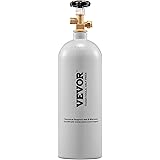
- CO2 Purging: Before transferring any beer, the keg is filled with CO2, pressurized to about 10-15 PSI, and then vented. This process is repeated 3-5 times. Each purge reduces the oxygen concentration in the keg, effectively creating an oxygen-free environment. Research indicates that just two full purges can reduce oxygen levels by over 90%, significantly extending the shelf life of sensitive beers.
- Pressurized Transfer: For fermenters rated to hold pressure (such as stainless steel conical fermenters or corny kegs), CO2 can be applied to the headspace of the fermenter, pushing the beer into a CO2-purged keg. A spunding valve on the receiving keg maintains a slight back pressure, preventing foaming and ensuring a smooth, controlled transfer. This “closed transfer” method is the gold standard for minimizing oxygen ingress during packaging. The Brew Bucket used in the video, rated for only 1 PSI, limits this capability, making the brewer’s manual transfer method a practical compromise for that specific equipment.
The negative impact of oxygen on cold-side beer is well-documented. It leads to oxidative off-flavors, often described as wet cardboard, sherry, or stale notes, primarily due to the formation of trans-2-nonenal. Minimizing oxygen exposure is paramount for preserving the delicate flavors of your homebrew and ensuring it tastes fresh weeks or even months after brewing.
Enjoying Your Kölsch: A Beer Best Drunk Fresh
The tasting segment in the video with Joe highlights another unique characteristic of Kölsch: its relatively short shelf life. Unlike some robust styles that can age gracefully, Kölsch is celebrated for its delicate balance of flavors which are best enjoyed fresh. The subtle hop aroma, clean malt profile, and crisp finish are susceptible to degradation over time, even with careful storage.
The brewer’s Kölsch, after conditioning for about four weeks, registered at a final gravity of 108, yielding a 6% ABV beer. The tasting notes describe a golden, slightly cloudy appearance, a mild hoppy aroma, and a taste that is surprisingly malty, cleaner than expected. This sensory evaluation process is a crucial step for any homebrewer, allowing for assessment of the beer against style guidelines and personal preferences. While a slightly longer conditioning might improve clarity, the core flavors and aromas should be present. Enjoying Kölsch soon after it’s ready preserves those ephemeral qualities, ensuring you experience the beer as intended by the traditions of Cologne.
Tapping Your Kolsch and Kegging Questions
What is Kölsch beer?
Kölsch is a unique German beer that combines traits of both lagers and ales. It’s known for being crisp and clean, achieved by fermenting with an ale yeast at cooler, lager-like temperatures.
How is Kölsch fermented differently from typical ales?
Unlike most ales, Kölsch uses an ale yeast but ferments at cooler temperatures, around 60°F (15.6°C). This method, called ‘cold fermentation,’ helps it develop a clean, crisp profile with minimal fruity notes.
What is lagering in brewing?
Lagering is a cold conditioning period, typically lasting several weeks, that Kölsch undergoes after fermentation. This process helps clarify the beer, smooth out any harsh flavors, and allows the delicate tastes to combine.
Why is it important to avoid oxygen when packaging homebrew into a keg?
After fermentation, oxygen can quickly degrade the beer’s flavor and aroma, leading to off-flavors like ‘wet cardboard’ or staleness. Minimizing oxygen exposure is crucial for preserving the fresh taste of your homebrew.