Making beer at home involves several distinct stages, with the overall duration typically ranging from just a few weeks to several months, depending on the beer style. As discussed in the video above, a standard pale ale can be ready in about one to three weeks from start to finish. This timeline includes the active brewing process, fermentation, and final conditioning.
Understanding each step is crucial. This helps homebrewers plan their schedule effectively. It also provides insight into the magic behind their favorite brews.
The Core Question: How Long Does It Take to Make Beer?
The time it takes to make beer is not a single number. Instead, it is a sum of its parts. Each stage contributes to the final product’s quality and readiness. The type of beer you are brewing significantly impacts this duration. For instance, an ale will be ready much faster than a lager.
The video provides a great overview for ales. Let’s dive deeper into these phases. This will help you anticipate your beer making timeline.
Phase 1: The Brew Day – Crafting the Wort (3-6 Hours)
The initial “brew day” is the most hands-on part. It typically lasts between three and six hours. This phase focuses on creating the “wort.” Wort is the sugary liquid that eventually becomes beer.
This critical period involves several steps. Each step plays a vital role in extracting sugars and flavors.
1. Mashing
Mashing is where milled grains steep in hot water. This process converts starches into fermentable sugars. It usually takes 60 to 90 minutes. Proper temperature control is essential here. This ensures efficient sugar conversion.
2. Sparging
After mashing, the sweet liquid, now called wort, is separated from the grain. This rinsing process is known as sparging. It helps extract remaining sugars from the grain bed. Sparging can add another 30 to 60 minutes to the brew day.
3. The Boil
The collected wort is then brought to a rolling boil. This boil typically lasts 60 to 90 minutes. Boiling sterilizes the wort, preventing unwanted infections. Hops are also added during this phase. Hops contribute bitterness, flavor, and aroma to the beer. This is also where water evaporates, concentrating the sugars.
4. Chilling
Once the boil is complete, the wort must be cooled rapidly. It needs to reach pitching temperature for the yeast. This chilling process usually takes 15 to 30 minutes. Rapid chilling minimizes the risk of infection. It also helps achieve “cold break,” which improves beer clarity.
After chilling, the wort is transferred to a fermenter. Yeast is then “pitched” or added. This marks the end of the brew day. The next phase, fermentation, then begins.
Phase 2: Fermentation – Yeast’s Crucial Work (1-2 Weeks for Ales)
Fermentation is where the magic truly happens. Yeast consumes the sugars in the wort. It then produces alcohol and carbon dioxide. For most ales, this primary fermentation phase takes one to two weeks.
Several factors influence the fermentation duration. These include yeast strain and temperature. The original gravity of the wort also plays a part.
Primary Fermentation
This is the most active period for the yeast. You will observe vigorous bubbling in the airlock. A foamy layer called “krausen” forms on top. This typically lasts for 5 to 10 days. Most of the sugar conversion occurs during this time. The beer starts to develop its characteristic flavors.
Secondary Fermentation (Optional)
Some brewers choose to transfer their beer to a secondary fermenter. This can be done after primary fermentation slows down. This step is often used for longer aging. It helps to clarify the beer and develop more complex flavors. Secondary fermentation can add another week or two, or even months, to the timeline. However, it’s not strictly necessary for many ale styles.
Monitoring the specific gravity is important. A hydrometer measures sugar content. When readings stabilize, fermentation is usually complete. This means the yeast has finished its work.
Phase 3: Conditioning and Carbonation – Maturation and Fizz (~1 Week for Ales)
After fermentation, the beer needs time to mature. This process is called conditioning. It allows flavors to meld and yeast to settle out. Carbonation adds the desired fizziness. For ales, this combined phase typically takes about a week.
Conditioning
Conditioning is a vital step for flavor development. Off-flavors can be reabsorbed by the yeast. The beer also clarifies naturally as yeast settles. Many brewers opt for “cold crashing” here. This involves lowering the beer’s temperature. It significantly speeds up yeast flocculation and clarity. This can take 2-3 days.
Carbonation
There are two primary methods for carbonating beer. Each has a different timeline.
1. Bottle Conditioning: Brewers add a small amount of priming sugar to each bottle. Yeast then consumes this sugar in the sealed bottle. This produces CO2, which dissolves into the beer. Bottle conditioning typically takes 2-3 weeks at room temperature. This allows sufficient time for carbonation to build.
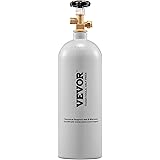
2. Forced Carbonation (Kegging): Beer is transferred to a keg. It is then placed under CO2 pressure at cold temperatures. This method is much faster. It can fully carbonate a keg in about 3-7 days. Forced carbonation offers more precise control over carbonation levels.
Once conditioned and carbonated, your homebrewed beer is ready to enjoy. The patience during these stages truly pays off.
Beyond Ales: Understanding Diverse Beer Making Timelines
While ales are relatively quick, other beer styles require much longer. The question of “how long does it take to make beer” really depends on the style.
Lagers
Lagers ferment at cooler temperatures. They also undergo a long “lagering” phase. This is a cold conditioning period. Lagering can last from several weeks to several months. This slow maturation creates a crisp, clean profile. The entire process for a lager can take 6-12 weeks.
Sour Beers and Specialty Brews
Sour beers use unique yeasts and bacteria. These often require extended aging. This can range from several months to even a year or more. The complex microbiological processes take time to develop their distinctive tartness. High-alcohol beers, like barleywines, also benefit from long aging periods.
Different styles showcase various approaches to the beer making timeline. Each one offers a unique brewing journey.
Factors Influencing Your Beer Making Schedule
The overall duration to brew beer is not fixed. Several factors can either speed up or slow down the process. Understanding these variables helps manage expectations.
1. Beer Style and Recipe
As noted, ales are quicker than lagers. Higher gravity beers, with more sugar, take longer to ferment. Complex recipes with special ingredients may also extend conditioning times. The intended finished product dictates much of the timeline.
2. Yeast Strain and Health
Some yeast strains are faster fermenters than others. Healthy yeast, pitched at the correct rate, performs optimally. Underpitching or using unhealthy yeast can significantly prolong fermentation. This directly impacts the beer making timeline.
3. Temperature Control
Maintaining consistent fermentation temperatures is crucial. Too cold, and yeast activity slows down dramatically. Too warm, and yeast can produce off-flavors quickly. Precise temperature control ensures efficient and clean fermentation. This is key to a predictable schedule.
4. Equipment and Sanitation
Clean and sanitized equipment prevents infections. Infections can stall fermentation or ruin a batch. This would essentially reset your beer brewing duration. Efficient chilling equipment can also reduce brew day time. Organized workspaces also contribute to a smoother process.
5. Desired Clarity and Flavor Profile
If you prefer crystal-clear beer, you might extend conditioning. Cold crashing and fining agents can accelerate clarity. However, patience often yields better results. Allowing extra time for maturation develops more complex flavors. This decision impacts the final readiness.
Patience is Key: Embracing the Brewing Journey
Learning how long does it take to make beer reveals a process of patience. Each stage is important for the final quality. While the video covers the basic ale timeline, deeper dives show the nuances. Homebrewing is a rewarding hobby. It teaches appreciation for craftsmanship. Enjoy the journey as much as the final pint.
From Mash to Glass: Your Timeline Questions Answered
How long does it generally take to make beer at home?
Making beer at home generally takes a few weeks to several months, depending on the beer style. A common pale ale can be ready in about one to three weeks from start to finish.
What are the main stages of making beer?
The main stages of making beer are the ‘brew day’ for creating the sugary liquid called wort, followed by fermentation where yeast produces alcohol, and finally conditioning and carbonation for maturation and fizz.
What happens during the ‘brew day’?
The ‘brew day’ is the initial, hands-on part of making beer where you create the sugary liquid called wort, which will become beer. This process usually takes about three to six hours.
What is fermentation in beer making?
Fermentation is the crucial stage where yeast consumes the sugars in the wort and converts them into alcohol and carbon dioxide. For most ales, this primary phase takes one to two weeks.
Why do some types of beer take longer to make?
Different beer styles have varied timelines due to factors like the yeast strain, fermentation temperature, and required conditioning period. For example, lagers take longer than ales because they ferment cooler and need extended cold aging.