The quest for a perfect cup of coffee often leads enthusiasts down various brewing paths. While the video above succinctly demonstrates a straightforward method for making potent cold brew coffee at home, there’s a fascinating world of detail and nuance behind this popular beverage. Many appreciate cold brew for its distinctive smoothness and lower acidity, qualities that set it apart from traditional hot brewing methods.
Indeed, cold brew’s unique characteristics stem from a gentle steeping process, which significantly impacts the final flavor profile. By avoiding high temperatures, many of the bitter compounds typically extracted during hot brewing remain locked away in the coffee grounds. Consequently, the resulting concentrate offers a naturally sweeter and richer taste experience, often with chocolatey or nutty undertones.
Understanding the Allure of Cold Brew Coffee
Cold brew coffee has surged in popularity, primarily due to its signature velvety texture and reduced acidity. Unlike conventional hot brewing, where heated water rapidly extracts compounds from coffee grounds, cold brewing involves steeping coffee in cool water for an extended period. This slower extraction process yields a beverage that is notably smoother and less bitter, making it particularly appealing to those with sensitive stomachs or a preference for a mellower coffee profile.
Furthermore, the lower acidity of cold brew is not just a matter of taste; it can also be a benefit for digestive health. Comparatively, a typical hot brewed coffee might have a pH level between 4.5 and 5.5, while cold brew often falls within a range of 6.0 to 6.5, which is closer to neutral. This difference can make a significant impact on how one’s body processes the coffee, contributing to the “least toxic ways to consume coffee” aspect highlighted in the video.
Essential Gear for Crafting Strong Cold Brew at Home
As the video illustrates, creating exceptional cold brew does not require an arsenal of complex equipment. A simple yet effective setup, such as the 64-ounce glass mason jar system featured, can yield impressive results. This approach leverages basic kitchen items combined with specialized accessories to streamline the brewing process.
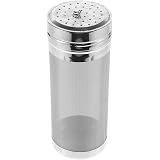
The choice of a glass mason jar provides a chemically inert environment, ensuring no unwanted flavors leach into your brew. This material choice aligns with a desire for pure, untainted coffee. Additionally, the stainless steel filter mentioned is crucial, acting like a fine-mesh sieve to prevent coffee grounds from entering the finished beverage. This meticulous filtration is key to achieving that incredibly smooth, sediment-free cold brew experience.
Selecting the Right Grind and Ratio for Potency
Achieving a “super strong” and flavorful cold brew hinges critically on two main factors: the coffee grind size and the coffee-to-water ratio. While the video suggests filling the filter “about halfway,” a more precise understanding can elevate your brewing game. For cold brew, a coarse grind is generally recommended, similar in consistency to sea salt or breadcrumbs. This prevents over-extraction and ensures proper water flow through the grounds, which is vital for a clean taste.
In terms of ratio, cold brew is often made as a concentrate, which can then be diluted to taste. A common starting point is a 1:4 ratio of coffee grounds to water by weight (e.g., 1 part coffee to 4 parts water). For a truly potent brew, some enthusiasts even venture into a 1:3 ratio. Therefore, if you are using the 64-ounce (approximately 1.9 liters or 1900 ml) jar, and aiming for a 1:4 ratio, you might use around 475 grams of coffee grounds. Adjusting these parameters allows for fine-tuning the strength and intensity to your personal preference, much like a painter adjusts colors on a palette.
The Art of Steeping: Time and Temperature
The steeping process is where the true magic of cold brew unfolds. The video recommends a brewing time of 16 to 24 hours, typically overnight, which is a widely accepted timeframe for optimal extraction. During this extended period, the cool water slowly dissolves the desirable flavors, oils, and caffeine from the coffee grounds, leaving behind the bitter acids and undesirable compounds.
The duration acts as a lever; a shorter steep (e.g., 12-14 hours) might result in a milder brew, whereas a longer steep (20-24 hours) will yield a more concentrated and robust flavor. Beyond 24 hours, however, the risk of over-extraction increases, potentially leading to a muddy or astringent taste. It is much like slow-cooking a stew; patience is rewarded with rich, complex flavors, but cooking it too long can diminish its vibrancy.
Optimizing Your Cold Brew Experience
Once your cold brew concentrate is ready, as demonstrated by the dark liquid in the video, the journey isn’t over. This concentrated elixir offers versatility. Many prefer to dilute it with water, milk, or a milk alternative, creating a customized drink that suits their mood. This dilution step also allows you to adjust the strength of your “super strong” cold brew according to your taste, whether you want a full-bodied morning kick or a lighter afternoon refresher.
Serving suggestions abound, especially during “hotter months.” Enjoying cold brew over ice is a classic choice, but it also serves as an excellent base for various iced coffee concoctions, smoothies, or even mixed drinks. For those who still crave warmth, cold brew concentrate can be heated gently without compromising its low acidity and smooth profile. Furthermore, the concentrate can be stored in the refrigerator for up to two weeks, making it an incredibly convenient and cost-effective option compared to daily coffee shop visits.
Your Super Strong Cold Brew Questions, Answered
What is cold brew coffee?
Cold brew coffee is made by steeping coffee grounds in cool water for an extended period, rather than using hot water. This gentle process results in a smoother, less bitter, and less acidic coffee.
Why is cold brew coffee less bitter and acidic than regular hot coffee?
Cold brewing avoids high temperatures, which prevents many bitter compounds from being extracted from the coffee grounds. This slower, cooler process yields a naturally sweeter and richer taste with lower acidity.
What basic equipment do I need to make cold brew at home?
You primarily need a large glass jar, like a mason jar, and a fine-mesh stainless steel filter to separate the coffee grounds. These simple items are sufficient to start brewing.
How long should I steep the coffee to make cold brew?
For optimal extraction and flavor, cold brew coffee should steep for 16 to 24 hours. This extended overnight period allows the cool water to slowly dissolve the desired flavors.
Do I drink cold brew coffee concentrate straight, or should I dilute it?
Cold brew is typically made as a concentrate, so it is usually diluted with water, milk, or a milk alternative before drinking. This allows you to adjust the strength and flavor to your personal preference.