Have you ever dreamt of crafting your very own authentic Czech Pilsner, a beer renowned for its crispness, clarity, and refreshing character? As the video above eloquently demonstrates, the journey to brew this iconic European lager at home, while requiring precision, is entirely within reach for dedicated homebrewers. This comprehensive guide aims to deepen your understanding of the Pilsner brewing process, expanding on the video’s insights to help you achieve a truly exceptional result in your own kitchen.
Unlocking the Secrets of Czech Pilsner
The Czech Pilsner holds a revered place in brewing history, originating from the city of Pilsen in the Czech Republic. Its signature golden hue, brilliant clarity, and perfectly balanced flavor profile set a global standard for lagers. This distinctive beer style masterfully combines a delicate malt sweetness with a pronounced yet refined hop bitterness, culminating in an exceptionally clean and dry finish. Consequently, replicating this balance is paramount when embarking on your homebrewing Pilsner adventure.
Many aspiring brewers may initially feel intimidated by the prospect of brewing a lager, particularly a Pilsner, often due to the perceived complexity and requirement for precise temperature control. However, as the video reassuringly states, a meticulous approach coupled with patience will yield excellent results. By carefully selecting your ingredients and diligently following each step of the process, you can indeed create a delicious, professional-quality Czech Pilsner right in your own brewing space.
Essential Ingredients for Your Homebrew Pilsner
At its core, all beer relies on four fundamental ingredients: water, malt, hops, and yeast. Nevertheless, the specific types and ratios of these components are crucial in defining the character of a Czech Pilsner. Mastering the selection of these elements is the first critical step towards achieving an authentic flavor profile for your homebrewed Pilsner.
Pilsner Malt: The Backbone of Your Brew
Pilsner malt forms the very foundation of this traditional beer, providing the fermentable sugars essential for alcohol production and contributing significantly to the beer’s body and flavor. This light-colored malt imparts a clean, slightly sweet base that allows other flavors to shine without overpowering them. When choosing your Pilsner malt, opt for high-quality, fresh grains to ensure optimal enzymatic activity and a pure flavor contribution. The subtle sweetness derived from this malt is akin to a blank canvas, ready to be painted with the spicy notes of the hops.
Saaz Hops: The Signature Aroma and Bitterness
The distinctive spicy, floral, and earthy aroma of a Czech Pilsner is largely attributable to Saaz hops. These noble hops, historically cultivated in the Žatec region of the Czech Republic, are celebrated for their refined bitterness and aromatic qualities. Hops serve a dual purpose in beer: they contribute the characteristic bitterness that balances the malt sweetness, and they act as a natural preservative, inhibiting bacterial growth. Therefore, using genuine Saaz hops is non-negotiable for achieving the classic bitterness and unparalleled aroma expected in an authentic Pilsner.
Water: The Unsung Hero of Beer
The importance of water quality in brewing cannot be overstated, as it constitutes over 90% of the final product. Just as a chef selects the freshest produce, a brewer must begin with pristine water to avoid introducing off-flavors. Filtered water is highly recommended to remove impurities, chlorine, and chloramines, which can react during the brewing process to create undesirable medicinal or plastic-like tastes. Although the video suggests filtered water, experienced brewers often go further, analyzing their water profile and potentially adjusting mineral content to perfectly mimic the soft water found in Pilsen, Czech Republic, which is naturally ideal for this specific beer style.
Lager Yeast: The Magic Behind the Crispness
Yeast is the microscopic powerhouse responsible for converting sugars into alcohol and carbon dioxide, a process known as fermentation. For a Czech Pilsner, lager yeast is indispensable. Unlike ale yeasts that prefer warmer temperatures and produce more fruity esters, lager yeasts thrive at cooler temperatures (typically between 45 and 55 degrees Fahrenheit). This cooler, slower fermentation contributes to the exceptionally clean, crisp, and smooth flavor profile characteristic of lagers. Choosing a high-quality, reputable lager yeast strain is therefore crucial for developing the nuanced flavors that make Pilsners so beloved.
Essential Equipment for Your Homebrew Setup
Embarking on the homebrewing journey requires a modest but essential collection of equipment. Fortunately, you do not need an elaborate commercial setup to craft outstanding beer at home. By acquiring a few key items, you can confidently begin your brewing adventures, ensuring a smooth and successful process from start to finish. The video outlines the fundamental tools, and we can expand on their significance.
- Boil Kettle (Large Pot): This is your primary vessel for mixing and cooking ingredients. A five-gallon pot is a good starting size, but remember that during boiling, the volume can increase with additions, so choose one with ample headspace to prevent boil-overs.
- Fermentation Vessel: After the boil, your wort will reside here for fermentation. Options include food-grade plastic buckets or glass carboys. Both are excellent choices, but glass carboys offer the advantage of visibility, allowing you to observe the fermentation process firsthand, although they are more fragile.
- Airlock: This ingenious device allows carbon dioxide, a byproduct of fermentation, to escape while crucially preventing oxygen and airborne contaminants from entering your fermenter. Maintaining an anaerobic environment is vital to prevent spoilage and off-flavors in your developing beer.
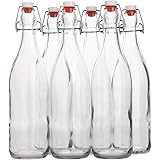
- Bottles: Brown glass bottles are the industry standard for storing finished beer because they effectively block harmful UV light. Light exposure can rapidly degrade hop compounds, leading to a “skunky” off-flavor in your beer.
- Bottle Capper: A reliable bottle capper ensures a tight, secure seal, which is essential for maintaining carbonation and preserving the beer’s freshness. Always have plenty of new caps on hand.
- Thermometer: Accurate temperature control is paramount throughout the brewing process, especially for lagers. A high-quality digital thermometer provides the precision necessary for hitting critical temperature targets during mashing, chilling, and fermentation, directly impacting the final flavor and clarity.
- Siphon: This tool facilitates the gentle transfer of beer from one vessel to another, crucial for bottling or racking to a secondary fermenter. Siphoning minimizes disturbance to the sediment (trub and yeast cake) at the bottom, which helps keep your finished beer clear and free of undesirable flavors.
- Sanitizer: Perhaps the most critical “ingredient” is sanitizer. Any equipment that comes into contact with your wort *after* the boil must be scrupulously sanitized. Bacteria and wild yeasts can quickly ruin an entire batch, so treat sanitation as your most vital step.
Mastering the Czech Pilsner Brewing Process
The brewing of a Czech Pilsner is a methodical journey, comprising several distinct stages. Each step builds upon the last, ultimately transforming simple ingredients into a complex, flavorful beer. Precision and patience are your most valuable allies as you navigate these phases, ensuring the authenticity and quality of your homemade Pilsner.
Mashing: Extracting the Sugars
Mashing is the initial stage where the crushed malt is steeped in hot water, activating enzymes that convert starches within the grain into fermentable sugars. This process is akin to steeping tea, but with a much more scientific purpose. The video recommends heating your water to a precise temperature range of 150 to 155 degrees Fahrenheit, which is the optimal “sweet spot” for the enzymes to efficiently convert starches into fermentable sugars. Maintaining this temperature consistently for approximately 60 minutes is crucial for maximizing sugar extraction and establishing the beer’s fermentability and body. Deviations can lead to either an overly sweet, unfermented beer or a thin, watery one.
Lauterization: Clarifying the Wort
Following the mash, the next critical step is lauterization, which involves separating the sugary liquid, now called wort, from the spent grain. This process is essential for achieving the clean, clear character of a Pilsner. If you possess a dedicated lauter tun, transferring the mash there is ideal. However, for most homebrewers, a large strainer lined with food-grade mesh or cheesecloth serves as an effective alternative. Subsequently, slowly recirculate the first runnings of wort back over the grain bed; this helps to filter out fine grain particles and compact the grain bed, further clarifying the wort. Finally, rinse the grain bed with hot water (sparging) to extract any remaining sugars, maximizing your yield.
Boil and Hop Additions: Flavor, Bitterness, and Sterilization
The boil serves multiple vital functions: it sterilizes the wort, extracts bitterness and aroma from the hops, and concentrates the sugars. Once your wort is brought to a vigorous boil, the hop additions commence. Saaz hops are typically added at different intervals throughout the boil. An initial addition at the beginning of the boil contributes the bulk of the bitterness, while later additions, closer to the end, are designed to impart the delicate spicy and floral aromas. Finally, after the boil concludes, rapid chilling of the wort is necessary. This swift cooling helps to prevent the formation of undesirable off-flavors and prepares the wort for yeast pitching. An immersion chiller is an efficient tool for this, or you can opt for an ice bath for smaller batches.
Fermentation: Where the Magic Truly Happens
Fermentation is the transformative stage where your lager yeast performs its magic, converting the wort’s sugars into alcohol and carbon dioxide. After the wort has been chilled to the optimal temperature range (45 to 55 degrees Fahrenheit), the lager yeast is introduced, or “pitched.” Maintaining this cool temperature consistently throughout fermentation is paramount for a Pilsner, as it encourages the yeast to produce clean, crisp flavors with minimal fruity esters or diacetyl. A dedicated fermentation chamber or a cool basement is ideal for this purpose. Monitor the fermentation progress over one to two weeks; the cessation of bubbling in the airlock typically indicates that primary fermentation is complete. Subsequently, some brewers perform a “diacetyl rest” by raising the temperature slightly for a few days, which helps the yeast reabsorb and clean up any buttery diacetyl produced during active fermentation, further enhancing the beer’s purity.
Bottling and Conditioning: The Final Touches of Patience
The journey to your perfect Czech Pilsner culminates with bottling and conditioning, a period that demands patience but rewards with carbonated, flavor-matured beer. Carefully transfer your fermented beer into sanitized brown bottles, ensuring about an inch of headspace in each. Next, add a precisely measured amount of priming sugar to each bottle; this provides a small, controlled food source for the residual yeast, allowing it to create natural carbonation within the sealed bottle. Store these bottles at room temperature for two to three weeks, during which the carbonation process will occur. This conditioning period also allows the beer’s flavors to meld and mature, resulting in a smoother, more refined taste. Like a fine wine, a Pilsner often benefits from a little extra time to truly come into its own.
Brewing your own authentic Czech Pilsner is a deeply satisfying endeavor, a testament to both scientific precision and artistic passion. While the initial batches may present learning opportunities, each attempt refines your skills and deepens your appreciation for this magnificent lager style. Therefore, embrace the process, trust in your ingredients, and soon you will be raising a glass of your very own perfectly brewed Czech Pilsner.
The Perfect Pint: Your Pilsner Questions Answered
What is a Czech Pilsner?
A Czech Pilsner is a famous European lager known for its crisp, clear, and refreshing character. It has a golden color and a balanced flavor of delicate malt sweetness and refined hop bitterness.
What are the four main ingredients for brewing beer?
The four main ingredients for any beer are water, malt, hops, and yeast. For an authentic Czech Pilsner, specific types like Pilsner malt, Saaz hops, and lager yeast are essential.
Why is lager yeast important for a Czech Pilsner?
Lager yeast is crucial for a Czech Pilsner because it ferments at cooler temperatures. This cooler process creates the exceptionally clean, crisp, and smooth flavor profile characteristic of lagers.
What are some basic equipment items needed for homebrewing?
To start homebrewing, you’ll need essential items such as a large boil kettle, a fermentation vessel with an airlock, bottles and a capper, a thermometer, and sanitizer.
What is the purpose of ‘mashing’ in brewing?
Mashing is the initial stage where crushed malt is steeped in hot water. This activates enzymes that convert starches in the grain into fermentable sugars, which the yeast will later convert into alcohol.