The journey of brewing is often marked by milestones. One such achievement, completing 99 beers in 99 weeks, culminated in a special brew: a refreshing New Zealand Pilsner. This particular batch, a 3-gallon endeavor, utilized a specific grain bill. It featured 84% German Pilsner malt, complemented by 10% Cara-pils, and rounded out with 6% white wheat malt. This thoughtful selection of ingredients established the clean and crisp foundation desired for a lager. The video above captures the lively brewing process, detailing how this unique Pilsner came to life.
Creating a distinctive New Zealand Pilsner involves a precise approach. This style is celebrated for its clean, crisp lager characteristics. However, it also boasts a vibrant, fruit-forward hop profile. This combination sets it apart from traditional German Pilsners. The essence of this brew lies in its carefully chosen New Zealand hops. These hops contribute bright, tropical, and citrusy notes. The goal is to maximize aroma and flavor while keeping bitterness low. Such a balance creates a truly enjoyable and aromatic beer.
The Foundation: Crafting the New Zealand Pilsner Malt Bill
The malt bill for this New Zealand Pilsner was chosen with purpose. A substantial 84% of German Pilsner malt formed the base. This malt provides a very clean, bready, and slightly sweet canvas. It is ideal for showcasing hop character. Imagine if a different base malt, like a darker one, had been used. The delicate hop aromas might have been overshadowed. A light body and color are essential for a true Pilsner experience.
Supporting the base malt were two key additions. Cara-pils, at 10%, was included. This malt contributes to body and head retention. It does so without adding significant fermentable sugars or color. Its presence ensures a satisfying mouthfeel. This contributes to the overall drinkability of the New Zealand Pilsner. The beer feels fuller without being heavy.
White wheat malt made up the remaining 6% of the grist. Wheat malt is known for enhancing head stability. It also adds a slight haziness and a smooth texture. This can soften the crispness of a lager. However, in moderation, it contributes a nuanced complexity. This helps to balance the bright hop character. The grain was double milled, ensuring efficient sugar extraction. This fine crush maximizes brewing efficiency.
Selecting the Right Hops for a Fruity Pilsner
Hops are the heart of a New Zealand Pilsner. Pacific Jade was the chosen variety for this brew. Pacific Jade is a versatile hop from New Zealand. It is known for its bold citrus, spicy, and even black pepper characteristics. It also offers good bittering properties. In this recipe, its role was primarily for aroma and flavor. Bittering was kept subtle. This highlights the fruity notes.
The hop schedule was carefully designed for a 30-minute boil. Only 0.4 ounces of Pacific Jade was added at the start of the boil. This provides a minimal bittering contribution. Most of the hop character came from later additions. The emphasis was clearly placed on late hop flavor and aroma. This method ensures a soft, lingering bitterness. It does not overpower the delicate malt profile.
A significant hop addition occurred with 5 minutes remaining in the boil. An additional 0.3 ounces of Pacific Jade was introduced. This late addition extracts more volatile aromatic compounds. These compounds would otherwise evaporate during a longer boil. Imagine the difference if all the hops were added at the start. The resulting beer would be much more bitter. Many of the pleasant fruit aromas would be lost.
The Whirlpool and Cooling Process
After the boil, the wort was cooled. A plate chiller was prepared for this task. Rapid cooling helps in creating a clear beer. It encourages the formation of the “cold break.” This is where proteins and tannins coagulate and settle out. The whirlpool step is also crucial for hop stand additions. It allows the hop oils to steep at a specific temperature. This extracts maximum aroma and flavor.
The heat was killed, and the plate chiller was activated. The goal was to reduce the kettle temperature to 180°F. This precise temperature is ideal for a hop stand. At 180°F, hop oils are extracted effectively. However, minimal further isomerization of alpha acids occurs. This means bitterness does not increase significantly. This step is key for enhancing the New Zealand Pilsner’s aromatic profile. It truly highlights the tropical and fruity notes.
The wort was recirculated through the plate chiller. This continued until the target temperature was reached. Maintaining this temperature for a period allows the hop character to fully develop. It also helps in settling out trub. The resulting wort is cleaner and more ready for fermentation. This meticulous cooling ensures a bright and flavorful finished product.
Fermenting Your Fruity Pilsner: Pressure and Precision
Fermentation is where the beer truly comes alive. The wort was cooled further to pitching temperature. The target for yeast pitching was 68°F. This temperature is slightly warmer than traditional lager fermentation. It is often used for “pseudo-lagers” or when specific lager yeasts perform well at warmer temperatures. Splitting the batch into two 1.5-gallon kegs allowed for flexible fermentation. One half stayed locally, the other traveled home. Aeration naturally occurred during transit for one batch. This provides oxygen for yeast health.
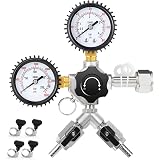
A crucial technique for this New Zealand Pilsner was pressure fermentation. The beer was fermented under pressure, specifically at 15 PSI. This was achieved using a spunding valve. The valve was adjusted from an initial 17 PSI to the target 15 PSI. Fermenting under pressure offers several advantages. It can reduce the production of undesirable off-flavors. It helps to retain volatile hop aromas. Moreover, it naturally carbonates the beer. This saves time and effort during packaging.
Imagine if fermentation was done without pressure. More delicate hop aromas might be scrubbed away. Off-flavors like diacetyl could become more prominent. Pressure fermentation allows for a cleaner, crisper beer. It enhances the overall profile of the New Zealand Pilsner. The resulting beer is often smoother and more refined. This technique is highly valued in modern homebrewing.
Enjoying the Unique New Zealand Pilsner
The final New Zealand Pilsner was met with approval. The beer was described as quite dry and remarkably clean. These characteristics are hallmarks of a well-executed lager. A distinct fruity hop nose was immediately evident. This confirmed the success of the chosen hop schedule. Tropical notes were prominent, creating a vibrant drinking experience.
The conclusion was clear: New Zealand hops, when used generously late in the boil, impart tropical and fruity goodness. This makes for an awesome beer. The specific combination of German Pilsner malt, Cara-pils, and white wheat provided a perfect canvas. This allowed the Pacific Jade hops to truly shine. The clean fermentation, aided by pressure, ensured a crisp finish. This New Zealand Pilsner offers a delightful balance. It marries traditional lager qualities with modern hop innovation.
The Fruity NZ Pilsner Q&A: Your Brewing Questions on Tap
What is a New Zealand Pilsner?
A New Zealand Pilsner is a clean, crisp lager style of beer known for its vibrant, fruit-forward hop profile. It uses special New Zealand hops to give it bright, tropical, and citrusy notes.
What ingredients are mainly used to make this beer fruity?
The fruity taste primarily comes from specific New Zealand hops, such as Pacific Jade. These hops are added later in the brewing process to maximize their tropical and citrusy aromas and flavors.
Why is German Pilsner malt important for this beer?
German Pilsner malt forms the clean and light base of the beer, providing a subtle bready flavor. This allows the distinct fruity character of the New Zealand hops to really stand out.
What is ‘pressure fermentation’ and why is it used?
Pressure fermentation is a brewing technique where the beer ferments in a sealed container under controlled pressure, like 15 PSI. It helps reduce unwanted flavors, retains delicate hop aromas, and can even naturally carbonate the beer.
What is the ‘whirlpool’ step in brewing this beer?
The whirlpool step involves cooling the beer after boiling to a specific temperature (like 180°F) and then adding hops. This extracts maximum hop aroma and flavor into the beer without making it significantly more bitter.