Global statistics reveal a significant trend: an increasing number of individuals are turning to home brewing for their daily dose of caffeine. In fact, reports indicate a notable surge in sales of home coffee equipment, with many coffee enthusiasts aiming to replicate their favorite cafe experiences. As the video above expertly demonstrates, achieving a delicious cup of coffee right in your own kitchen is entirely within reach, especially when equipped with the right techniques and a few simple tools. This guide expands on the video’s valuable insights, offering deeper dives into each brewing method and practical tips to elevate your daily coffee ritual.
Mastering Your Home Coffee Grind: The Foundation of Flavor
The journey to excellent coffee at home truly begins with the grind. While the video aptly warns against grinding too much coffee at once, emphasizing fresh grinding for peak flavor, understanding the ‘why’ behind different grind sizes is crucial. Coffee beans, once ground, have a much larger surface area exposed to oxygen, leading to rapid degradation of flavor and aroma. Consequently, grinding only what you need for a few days ensures that each brew captures the vibrant, complex notes inherent in the bean.
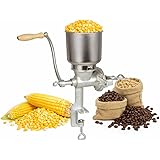
Moreover, the grind size directly influences the extraction process. A coarser grind means less surface area and slower water flow, ideal for methods where coffee steeps for longer. Conversely, a finer grind provides more surface area, allowing water to extract flavors quickly, which is necessary for faster brewing methods. Investing in a quality burr grinder, as suggested in the video, offers consistency and precision, which are paramount for optimal extraction. Even basic grinders, like a nut or spice grinder, can produce satisfactory results if you pay close attention to the texture and consistency of the grind.
French Press: A Full-Bodied Experience
The French press, or cafetière, is celebrated for producing a rich, full-bodied coffee. Its simplicity belies a robust flavor profile, making it a favorite for many home brewers. The video highlights several key steps for the French press method, starting with the importance of a coarse grind, resembling cracked pepper. This specific texture prevents too many fine particles from slipping through the filter, which could result in a silty cup.
Pre-warming the glass carafe with hot water, as demonstrated, is a simple yet vital step. This prevents the brewing water from losing temperature too quickly upon contact with a cold container, ensuring a consistent extraction temperature. Adding six to eight teaspoons of coffee, followed by hot water and a gentle stir, initiates the crucial “bloom” phase, where coffee grounds release trapped gases. After brewing for three to five minutes, a gentle, slow press of the plunger ensures that the grounds remain at the bottom, leaving you with a delicious, crema-topped coffee. The presence of crema, a reddish-brown foam, signals a well-extracted coffee, often associated with a sweeter, less bitter taste.
Pour-Over Perfection: Clarity in Every Cup
For those who prefer a cleaner, brighter cup with nuanced flavors, the pour-over method is an excellent choice. This technique emphasizes control and precision, allowing the brewer to carefully manage water flow and extraction. The video introduces the Hario filter as a popular and accessible pour-over device, emphasizing that a medium-coarse grind, similar to raw sugar, is optimal for this method.
A crucial initial step is to dampen the filter paper with hot water before adding coffee grounds. This process serves two purposes: it removes any paper taste that might otherwise affect the coffee’s flavor, and it helps pre-heat the brewing apparatus, maintaining a stable temperature during extraction. When pouring, the “gooseneck” kettle becomes invaluable, enabling a slow, controlled, circular pour. Starting with a small amount of water to “bloom” the coffee, allowing it to de-gas, then gradually adding more water in stages, ensures even saturation and extraction. The result is a remarkably pure coffee, showcasing the inherent characteristics of the beans with exceptional clarity.
Moka Pot: The Stove-Top Espresso Alternative
Originating in Italy, the Moka pot offers a powerful, concentrated coffee that many liken to espresso, though it’s technically a different brewing process. It’s an iconic device, and the video guides us through its use, starting with a medium-fine grind. This grind size is finer than for a French press or pour-over but not as fine as traditional espresso, balancing extraction with the pot’s pressure system.
Filling the water reservoir just to the vent, adding coffee to the filter basket without pressing it down, and then securely twisting the top chamber are essential first steps. Crucially, the video advises against pressing the coffee down, allowing gravity to distribute it naturally. When brewing, maintaining a careful eye on the heat source is vital; the flame should not extend beyond the pot’s base, preventing scorching and potential metallic flavors. The brewing process typically takes three to five minutes. Once the coffee starts to percolate into the upper chamber, removing the Moka pot from the heat and even taking it off its base immediately is paramount. This prevents the residual heat from over-extracting the coffee, which can quickly lead to a bitter, unpleasant taste. If a gurgling sound occurs, it’s a clear signal to remove it from the heat to avoid over-cooking the brew.
Ibrik (Turkish Coffee): A Rich Tradition
The Ibrik, or cezve, method is steeped in history and cultural significance, offering a deeply personal and aromatic coffee experience. As shared in the video, this method can be passed down through generations, becoming a symbol of love and connection. Turkish coffee requires an incredibly fine grind, almost like flour, which is fundamental to its unique preparation.
Traditionally, Ibrik coffee is prepared on a bed of hot sand, allowing for extremely slow and even heating. At home, a stovetop with a very low flame works effectively. The video details adding water, then three to four heaping spoonfuls of the super-fine coffee. Sugar can be added at this stage if desired, a common practice in many cultures. The coffee is then gently stirred, a process that can even incorporate personal traditions, such as the birthday-number stir count mentioned. The key is to brew the coffee very slowly, never allowing it to reach a full boil. As the coffee heats, a rich crema will form around the perimeter. Just as this crema begins to close in and before any vigorous boiling occurs, the Ibrik is removed from the heat. This iconic crema is not just for show; it is highly valued for its role in enhancing the coffee’s flavor and is even considered a sign of hospitality. Swirling the coffee slightly before serving helps distribute this essential crema among all cups, ensuring everyone receives a taste of this cherished brew.
Spill the Beans: Your Home Coffee Questions Answered
Why is the coffee grind size so important for brewing at home?
The grind size directly impacts how quickly water extracts flavors from the coffee. A coarser grind is suitable for methods with longer steep times, while a finer grind allows for faster flavor extraction.
What is a French press and what kind of coffee does it make?
A French press, also known as a cafetière, is a brewing device that makes a rich, full-bodied cup of coffee by steeping coarsely ground coffee in hot water and then pressing a plunger.
Why should I pre-warm my brewing equipment, like a French press or pour-over filter?
Pre-warming helps maintain a consistent brewing temperature, preventing the hot water from cooling too quickly when it touches a cold container. For pour-over, dampening the filter also removes any paper taste.
What does it mean to ‘bloom’ coffee, and why is it done?
Blooming is the initial stage where a small amount of hot water is added to fresh coffee grounds, allowing them to release trapped gases. This process helps ensure a more even extraction and better flavor development.
What should I watch out for when brewing coffee with a Moka pot?
When using a Moka pot, ensure the flame doesn’t extend beyond the pot’s base to prevent scorching, and remove it from the heat immediately once the coffee percolates into the upper chamber to avoid over-extraction and bitterness.