Have you ever wondered what truly separates a decent cup of coffee from an exceptionally great one? While the journey into advanced coffee techniques can be complex, achieving truly delicious results at home is often simpler than imagined. As eloquently discussed in the video above, the path to making great coffee involves optimizing just three fundamental steps: selecting your beans, grinding them properly, and mastering your chosen brewing method.
This guide expands upon these crucial foundations, offering deeper insights and actionable advice to elevate your daily coffee ritual. By focusing on these core principles, a significantly more enjoyable coffee experience can be consistently created.
The Foundation: Selecting Fresh Coffee Beans
The quality of your final cup is largely determined by the beans chosen. It is often said that coffee beans are the most misunderstood aspect for many home brewers. Unlike most other grocery items, coffee beans possess a limited window of peak freshness, especially after roasting.
Roasted coffee contains hundreds of delicate aromatic compounds, which are responsible for its complex flavors. Over time, these volatile compounds are lost, leading to a duller, less vibrant taste profile. Therefore, to ensure the best tasting and freshest coffee, beans roasted within at least the last four weeks are typically recommended; however, optimal flavor is often experienced with beans roasted within two to three weeks.
Sourcing these freshly roasted beans has become increasingly accessible. Many local grocery stores now carry options with a visible roast date printed on the package, usually found on the bottom or back of the bag. Alternatively, visiting a local coffee roaster directly guarantees the freshest possible selection. For added convenience and variety, subscription services, such as the one mentioned in the video (Trade Coffee), deliver freshly roasted beans from various roasters straight to your door regularly.
Once the practice of using freshly roasted beans is established, a world of experimentation opens up. Exploring beans grown in different regions of the world, each with distinct flavor notes, or trying various roast levels (light, medium, dark) can further refine one’s palate. Yet, the single most impactful change for most individuals will be simply committing to fresh beans, as this alone significantly improves the overall coffee quality.
The Essential Step: Grinding Your Coffee Beans
Once fresh beans are acquired, the next critical step for making great coffee involves grinding them. It is highly advisable that beans are ground at home, ideally right before brewing. This practice is essential for preserving the beans’ inherent freshness and flavor, as whole beans retain their integrity much longer than ground coffee.
The reason for grinding fresh is tied to surface area. When beans are ground, their surface area dramatically increases, exposing the flavorful compounds to the atmosphere. This exposure accelerates the oxidation process, causing the coffee to lose its aromatic qualities at a much faster rate. Consequently, ground coffee can lose a significant portion of its freshness within minutes, whereas whole beans can maintain their quality for weeks if stored correctly.
Achieving a Consistent Grind Size
Beyond grinding fresh, achieving a consistent grind size is paramount for optimal flavor extraction. This means that all the small particles of ground coffee should be approximately the same size. An inconsistent grind, where some particles are very fine and others are coarse, leads to uneven extraction during brewing.
When the grind is inconsistent, the finer particles will over-extract, releasing bitter compounds, while the coarser particles will under-extract, contributing sour notes. The result is a cup that lacks balance and clarity. Therefore, a uniform grind size is sought to ensure that all coffee particles interact with the water evenly, allowing for a balanced and delicious extraction of flavors.
Burr Grinders vs. Blade Grinders
The type of grinder utilized directly impacts grind consistency. The recommended tool for any serious home brewer is a burr grinder. These grinders feature two abrasive surfaces (burrs) that crush the coffee beans between them to a precise, adjustable size. The beans pass through these burrs only once, resulting in a remarkably consistent particle size.
In stark contrast, many conventional “blade” grinders operate more like blenders, using spinning blades to chop and smash the beans. This chaotic action creates a highly inconsistent mix of very fine powder and large, unground chunks. This unevenness inevitably leads to an inferior cup of coffee due to the aforementioned issues of over and under-extraction.
Burr grinders are available in both electric and manual (handheld) versions. While high-quality electric burr grinders can represent a significant investment, often costing double or triple the price of their manual counterparts, many excellent handheld burr grinders are available at more accessible price points. For instance, a quality manual grinder might be acquired for around $180, offering grind quality comparable to much more expensive electric models, as noted in the video. Even cheaper handheld options, available for approximately $40, will still provide a superior grind to any blade grinder. A quality burr grinder is often considered the most significant and lasting investment for a home coffee setup, assuming espresso is not the primary goal.
Mastering Various Coffee Brewing Methods
With fresh, consistently ground beans ready, the final stage involves the brewing process itself. Different brewing methods are often preferred for achieving distinct flavor profiles and textures. The video explores three popular and accessible methods: pour-over, French press, and cold brew.
Pour-Over for a Clean, Traditional Cup
The pour-over method is celebrated for producing a clean, bright, and traditional-tasting cup of coffee, often reminiscent of what is experienced from an automatic drip machine. This is largely due to the use of a paper filter, which efficiently absorbs coffee oils and sediment, resulting in a very clear beverage. For a pour-over, a medium-fine grind size is typically employed, often described as being slightly finer than sand.
A popular and forgiving brewer for beginners is the Kalita Wave, known for its even extraction and affordability. The brewing process itself, while requiring a degree of attentiveness, is quite straightforward. First, water is brought to a boil. This boiling water is then used to rinse the paper filter, which serves a dual purpose: eliminating any papery taste and preheating the brewer and mug. It is crucial that good-tasting water, such as filtered tap water, is used for brewing.
After discarding the rinse water, the freshly ground coffee is added to the brewer. A digital scale is indispensable here, as a consistent water-to-coffee ratio is key to reproducible results. A widely recommended starting ratio is 16 parts water to 1 part coffee (e.g., 320 grams of water for 20 grams of coffee). This ratio can later be adjusted to personal preference, with a 14:1 ratio yielding a stronger cup, for example.
The initial pour, known as the “bloom phase,” involves adding a small amount of water (about 1/8 of the total water, or 40 grams in the example) to fully saturate the grounds. A gentle stir often ensures all grounds are wet. This phase, lasting approximately 30 seconds, allows carbon dioxide trapped within the beans to escape. This outgassing ensures that water can flow more evenly through the coffee bed, preventing excessive sourness from infusing into the final brew.
Following the bloom, the remaining water is slowly added in a continuous, circular motion, ensuring even extraction. If the water level reaches the top of the cone, a brief pause of 10 to 15 seconds allows the water to draw down before continuing. The entire brewing process, from the first pour to the last drip, should ideally take between 1.5 to 2.5 minutes. If the brew time is significantly faster, a finer grind may be needed; if it’s significantly slower, a coarser grind is generally indicated. A gentle shake of the brewer towards the end helps ensure all liquid passes through. Once dripping ceases, the coffee is ready, and cleanup is typically minimal.
French Press for a Full-Bodied Experience
For those who prefer a richer, fuller-bodied cup of coffee, the French press method is an excellent choice. This brewing technique, which does not utilize a paper filter, allows the coffee’s natural oils and fine sediments to remain in the brew, contributing to its distinct mouthfeel and depth of flavor. To minimize sediment and achieve a cleaner cup, an adapted method, such as James Hoffman’s French press technique, is often recommended.
For the French press, a medium-coarse grind is typically preferred, with particles roughly the size of coarse sand. Similar to the pour-over, water is boiled and used to preheat the French press vessel and the mug. After discarding the preheating water, the ground coffee is added. A 16:1 water-to-coffee ratio is again a good starting point. All the hot water is added at once, ensuring the grounds are fully saturated; a blooming phase is not typically required here. The lid is then placed on the French press to trap heat, and the coffee is allowed to steep for four minutes.
Once the initial steeping is complete, the surface of the coffee is gently stirred to release any floating grounds. The foam that collects on the surface is then carefully skimmed off, as it often contains bitter compounds. Following this, the lid is replaced, and the coffee is allowed to settle for at least another five minutes. Crucially, the plunger should not be pressed down; instead, it is gently used as a filter when pouring the coffee into a mug. This gentle approach helps prevent settled grounds from re-entering the liquid, resulting in a cleaner, full-bodied French press coffee.
Cold Brew for Smooth, Low-Acidity Refreshment
Cold brew stands as an excellent option for those who enjoy a smooth, less bitter iced coffee. This method is structurally similar to the French press but uses cold or room-temperature water and an extended steeping time. The lower temperature of the water extracts different compounds from the coffee, resulting in a brew with significantly lower acidity and bitterness compared to hot-brewed coffee.
For cold brew, a medium-coarse grind is usually employed, akin to that used for a French press. While a French press can certainly be used, any large jar or container with a lid is suitable for making cold brew. Larger batches are often convenient for this method; for example, 40 grams of ground coffee might be used. A slightly stronger water-to-coffee ratio is often favored for cold brew concentrate, such as 12 parts water to 1 part coffee (e.g., 480 grams of water for 40 grams of coffee), ensuring it does not become too diluted when ice is added.
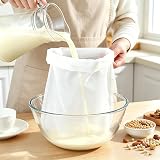
The cold water is added all at once, ensuring that all grounds are fully submerged. A gentle stir helps saturate all the coffee particles. The vessel is then sealed with a lid and allowed to steep for an extended period, typically between 12 to 16 hours, at room temperature. Once the steeping is complete, the coffee concentrate is strained. This can be achieved using a paper coffee filter, cheesecloth, or even by carefully pouring through a French press plunger without pressing. The resulting cold brew can be enjoyed immediately over ice or stored in the refrigerator for up to approximately a week, maintaining its freshness and smooth flavor profile.
Pouring Out Answers to Your Coffee Conundrums
What are the most important steps to make great coffee at home?
The three fundamental steps to making great coffee are selecting fresh beans, grinding them properly, and mastering your chosen brewing method.
Why is it important to use fresh coffee beans?
Fresh coffee beans are crucial because they contain delicate aromatic compounds that give coffee its complex flavors. These compounds diminish over time, leading to a duller taste.
Should I grind my coffee beans at home, or can I buy them pre-ground?
It is highly advisable to grind your coffee beans at home, right before brewing. Whole beans retain their freshness and flavor much longer than pre-ground coffee.
What kind of grinder is best for making great coffee?
A burr grinder is recommended for making great coffee because it crushes beans to a consistent, adjustable size. This ensures even extraction and better flavor, unlike blade grinders which chop beans unevenly.
What is the difference between pour-over and French press coffee?
Pour-over coffee uses a paper filter to produce a clean and bright cup. French press coffee, which does not use a paper filter, results in a richer, fuller-bodied cup with more natural oils and fine sediments.