Making your own homemade malt can seem like a complex endeavor, yet it is a deeply rewarding process that connects you directly to the foundational ingredients of brewing and other culinary arts. As demonstrated in the accompanying video, the journey from raw grain to usable malt is an accessible one, even with minimal specialized equipment. This guide aims to expand upon the video’s practical steps, offering a deeper understanding of the malting process and why each stage is critical to transforming dormant seeds into flavorful, enzymatically active grains.
Understanding the Essence of Homemade Malt
At its core, malting is essentially the controlled germination of grains, which is then halted at a specific point. This “awakening” of the seed is vital because it activates dormant enzymes within the grain. These enzymes are the unsung heroes of brewing, later responsible for converting complex starches into simpler sugars during the mashing process. While the video focuses on rice malt due to its local availability in Thailand, the principles of malting remain largely consistent whether one is working with barley, wheat, or other cereal grains.
The Foundational Step: Steeping Grains for Activation
The initial phase of malting, known as steeping, is designed to hydrate the grains and signal them to begin their growth cycle. As seen in the video, this involves simply covering the seeds with water in a container, typically for one night. This prolonged soaking allows the grains to absorb enough moisture to initiate germination.
- **Hydration:** Water penetration is crucial; the grain’s embryo must be adequately hydrated to become active.
- **Oxygen Deprivation (and subsequent air rests):** While the video shows a continuous soak, in commercial malting, seeds are often subjected to cycles of soaking and air rests. This ensures uniform hydration and provides the necessary oxygen for respiration without drowning the embryo.
- **Water Change:** The observation of yellow water after the first night, as highlighted in the video, often indicates the leaching of tannins and other compounds from the grain husk. This water is properly discarded, and the seeds are thoroughly washed to maintain cleanliness and prevent unwanted microbial growth, before being moved to another container.
Encouraging Growth: The Germination Phase
Once adequately steeped, the grains enter the germination phase, where the most significant enzymatic changes occur. This period is often compared to a tiny factory within each grain coming to life, meticulously producing the enzymes needed for future sugar conversion. The video instructs placing the grains in a dark environment and mixing them regularly.
Maintaining Optimal Conditions for Germination
A dark, cool, and humid environment is paramount during germination. Light exposure can inhibit rootlet growth and promote undesirable chlorophyll production. Crucially, the grains are typically mixed every 8-12 hours. This frequent turning serves multiple purposes:
- **Uniform Moisture Distribution:** It prevents drying out on top and excessive moisture accumulation at the bottom, ensuring consistent growth across the batch.
- **Preventing Matting:** Germinating grains tend to form a dense mat as their rootlets intertwine. Regular mixing breaks this up, allowing air circulation.
- **Dissipating Heat:** Germination is an exothermic process, generating heat. Mixing helps to release this heat, preventing damage to the delicate enzymes.
The video points out that after 36 hours, the seeds will have visibly started to germinate, displaying tiny rootlets (radicles). At this point, after one more mix, they are allowed another 12 hours of growth before the next stage. This specific timing is carefully managed to maximize enzyme development without allowing the grain to fully grow into a plant, which would consume valuable starches.
Halting Growth: Drying and Kilning Your Homemade Malt
The germination process must be arrested at its peak enzymatic activity. This is achieved through drying, a process known as kilning in commercial settings. The primary goals are to reduce moisture content for stability and preservation, and to develop specific flavors and colors.
In the video, the straightforward method of three days under the sun is employed. This artisanal approach, while effective in reducing moisture, often results in a base malt with a distinct, rustic flavor profile. Modern kilning, by contrast, involves controlled temperature ramps and airflow to achieve precise moisture levels and develop a range of malt types, from pale base malts to highly colored specialty malts.
- **Moisture Reduction:** Lowering moisture content significantly inhibits microbial growth and stops enzymatic activity, stabilizing the grain for storage.
- **Flavor Development:** The drying process itself contributes to flavor. The intensity and duration of drying will influence whether the malt becomes a pale base malt or a more toasted variety.
Protecting the drying grains from birds, as shown in the video by covering them, is a practical and necessary step when drying outdoors. The goal is to obtain dry seeds, which are then ready for the next stage of flavor development.
Developing Flavor: Toasting and Roasting Your Grains
Once dried, the homemade malt is often further processed through toasting or roasting. This step is where much of the malt’s character, color, and specific flavors are locked in, profoundly influencing the final product it will be used in. The video distinguishes between a lighter toast and a darker roast for a “red beer.”
The Toasting Process: Lighter Flavors and Colors
The video details a toasting process at 80 degrees Celsius for one hour and 30 minutes. This relatively low temperature is ideal for developing lighter flavors, typical of base malts that contribute fermentable sugars without overpowering roasted notes. While an oven with its door slightly ajar is suggested as the easier and more consistent method, using a pot on a stove, as demonstrated, is a viable alternative if careful temperature management is maintained.
- **Temperature Control:** Checking the temperature every 15-20 minutes and adjusting the heat is critical when using a pot. The objective is to maintain a steady 80°C to achieve an even toast.
- **Evenness:** Constant stirring, especially in a pot, prevents scorching and ensures that all grains are toasted uniformly. This method, while requiring more manual intervention, can certainly yield high-quality homemade malt.
The Roasting Process: Richness for Specialty Malts
Following the lighter toast, the video moves to a darker roast, specifically to produce malt for a “red beer.” This involves a shorter, more intense heat application, only five minutes until “a little smoke” is observed. Roasting at higher temperatures, often indicated by the development of smoke and a darker color, creates specialty malts with notes of caramel, biscuit, coffee, or even chocolate, depending on the exact time and temperature profile.
The advice to perform this darker roast outside is sound, as the smoke produced can be quite pungent. The process of roasting, much like coffee bean roasting, transforms the chemical compounds within the grain, yielding a completely different flavor profile compared to a lightly toasted malt. This roasted rice malt would contribute depth and color to a brew, much like specialty barley malts such as crystal or chocolate malt.
Preparing for Brew Day: Crushing Your Homemade Malt
The final step before brewing or other culinary applications is to crush, or mill, the malt. The purpose of crushing is to break open the outer husk of the grain and expose the starchy endosperm inside. This exposure is crucial for efficient extraction of sugars during the mashing process, where hot water helps the activated enzymes convert starches into fermentable sugars.
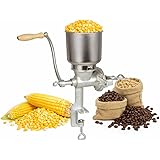
The video utilizes a kitchen mixer, acknowledging that “it’s not the right way, but if you have no other things, you can use the mixer.” While dedicated malt mills are designed to achieve a precise, consistent crush – breaking the kernel while largely leaving the husk intact (important for a filter bed during lautering) – a mixer can indeed serve as a workaround for smaller batches of DIY malt. When using a mixer, it is generally recommended to use short pulses to avoid pulverizing the grain too much, which can lead to a “stuck mash” during brewing.
Beyond the Basics: Varieties and Applications of Homemade Malt
The principles outlined for making rice malt in the video are broadly applicable to other grains. Barley malt is the most common base for beer, known for its high “diastatic power” (enzyme content). Wheat malt offers a lighter body and distinct flavor, while rye malt can add spicy notes. Each grain brings its unique characteristics to the malting process and the final product.
The availability of grains like rice in different regions, as highlighted by the speaker’s location in Thailand, underscores the versatility of homemade malt production. Whether one is brewing traditional beers, experimenting with unique spirit washes, or even incorporating malt into baking for flavor and enzymatic benefits, the ability to produce your own malt opens up a world of creative possibilities. The effort invested in making your own malting grains pays dividends in understanding and control over your ingredients, culminating in a deeper appreciation for the ancient art of brewing.
Sprouting Answers: Your Homemade Malt Q&A
What is malting?
Malting is the process of controlled germination of grains, which is then halted at a specific point. This ‘awakening’ activates dormant enzymes within the grain.
Why is it important to activate enzymes in grains for brewing?
Activated enzymes are crucial because they are responsible for converting complex starches in the grain into simpler sugars. These sugars are then fermented by yeast during the brewing process.
What are the main steps involved in making homemade malt?
The basic steps include steeping grains to hydrate them, germinating them to activate enzymes, and then drying them to stop growth. You can also toast or roast the dried malt for different flavors before crushing it for use.
What kind of grains can be used to make homemade malt?
While rice is used in the example, the malting process is broadly applicable to other cereal grains like barley, wheat, and rye. Each grain offers unique characteristics to the final product.