Are you tired of starting your day with coffee that tastes bitter, is too acidic, or costs a fortune from your local cafe? Many coffee lovers crave a smoother, richer brew, but often shy away from complex brewing methods at home. The good news is that achieving a perfectly mellow cup of coffee doesn’t require expensive equipment or expert barista skills. In fact, making delicious cold brew coffee at home is incredibly simple, as the accompanying video perfectly demonstrates.
This method offers a fantastic solution for those seeking a less acidic coffee experience that’s both cost-effective and easy to prepare. You can enjoy a refreshing iced coffee or even a warmed-up version, all from a concentrate made with minimal effort. This guide will expand on the video’s straightforward steps, diving deeper into why cold brew coffee is such a game-changer and how you can master it.
Why Choose Cold Brew Coffee?
Cold brew coffee has steadily gained popularity, and for good reason. Unlike traditional hot brewing methods, cold brew involves steeping coffee grounds in cold water over an extended period. This gentle extraction process yields a concentrate that is naturally less acidic, often boasting a smoother, sweeter, and richer flavor profile. Many find it much easier on their stomach, especially those prone to indigestion from regular hot coffee.
The reduced acidity helps to minimize the bitter notes often associated with hot extraction, allowing the inherent flavors of the coffee beans to truly shine through. Furthermore, because it’s a concentrate, cold brew offers incredible versatility. You can dilute it to your preferred strength, serve it hot or cold, and even use it as a base for various coffee creations. This makes homemade cold brew coffee an excellent, economical choice for daily enjoyment.
Getting Started: Essential Ingredients and Equipment
To embark on your cold brew journey, you don’t need a lot of specialized gear. The beauty of this method lies in its simplicity. With just a few basic items and the right type of coffee, you’ll be well on your way to brewing success.
The Right Coffee Beans for Your Cold Brew
While almost any coffee bean can be used for cold brew, choosing a quality bean will significantly impact your final product. Medium to dark roasts tend to perform exceptionally well, offering robust flavors that stand up nicely to the cold extraction process. Consider exploring different origins and flavor notes to discover what you enjoy most, whether it’s chocolatey undertones or nutty complexities. Always prioritize fresh beans, as they retain more of their aromatic oils and flavor integrity, ensuring a more vibrant and delicious cold brew coffee.
Grind Size Matters: Coarse for Cold Brew Coffee
The video emphasizes using a “coarse grind,” and this is a critical detail for successful cold brew. A coarse grind, resembling breadcrumbs or sea salt, is essential because it prevents over-extraction and ensures easier filtration. Finer grinds, typically used for espresso or drip coffee, have more surface area and can lead to a bitter, muddy, and over-extracted cold brew when steeped for such a long time. They also make the filtration process much more challenging, as fine particles can slip through your strainer or clog your filter.
If you don’t have a grinder at home, many grocery stores offer grinding services, and you can simply ask for a coarse setting. Investing in a burr grinder is a worthwhile consideration if you plan to make coffee at home regularly, as it provides a consistent grind size which is key for quality brewing.
Basic Equipment You’ll Need
The video showcases the simplicity of using a Mason jar, and it’s a perfect vessel for beginners. Here’s a quick list of what you’ll need:
- **A large container:** A one-liter or four-cup Mason jar, as shown, is ideal. Any clean, airtight container of similar size will work.
- **Coffee grinder (optional):** If you’re starting with whole beans, a grinder capable of a coarse setting is necessary.
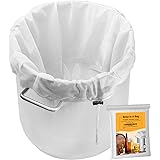
- **Filtering system:** A metal strainer lined with cheesecloth is a common and effective method, as seen in the video. Alternatives include a fine mesh sieve, a dedicated cold brew maker with a built-in filter, or even a nut milk bag.
- **Another clean container:** To store your finished cold brew concentrate.
Step-by-Step Guide to Making Homemade Cold Brew Coffee
As demonstrated in the accompanying video, the process for making cold brew coffee is wonderfully straightforward, requiring minimal active time and yielding fantastic results. Let’s break down each step in more detail to ensure your brew is perfect every time.
Step 1: Grind Your Coffee Coarsely
Begin by measuring out one cup of your chosen coffee beans. Next, grind these beans to a coarse consistency. Remember, this is crucial for preventing over-extraction and ensuring a smooth, clean final product. If the grind is too fine, your cold brew might end up with a bitter taste and a cloudy appearance, making the filtering step much more difficult. Aim for a consistency similar to coarse sea salt or large sugar crystals to allow for optimal cold extraction.
Step 2: Combine Coffee and Water
Carefully add your freshly coarse-ground coffee to your one-liter or four-cup Mason jar. Once the coffee is in, fill the jar to the top with cold, filtered water. Using filtered water can make a noticeable difference in the taste of your cold brew, as it removes impurities that might otherwise affect the coffee’s flavor. After filling, secure the lid good and tight. As the video suggests, gently tip the jar back and forth a few times to ensure all the coffee grounds are thoroughly saturated with water, promoting an even extraction.
Step 3: The Steeping Process (24 Hours for Optimal Cold Brew)
With the coffee and water mixed, place your sealed Mason jar in the refrigerator. The steeping process is where the magic truly happens, slowly extracting the coffee’s rich flavors without the bitterness. The video recommends steeping for 24 hours, which is an excellent duration for a balanced and full-bodied cold brew. While it steeps, remember to gently tip the jar back and forth whenever you open the refrigerator. This simple action helps to redistribute the coffee grounds, ensuring all particles are continuously exposed to the water, leading to a more consistent and flavorful extraction.
Step 4: Filter Your Cold Brew Concentrate
After 24 hours of steeping, it’s time to separate the coffee concentrate from the grounds. As shown in the video, line a metal strainer with cheesecloth and place it over another clean container or back into your Mason jar if you’re cleaning it first. Slowly pour the steeped coffee mixture through the lined strainer. The cheesecloth will capture the coffee grounds, allowing the smooth, dark cold brew concentrate to pass through. You might need to gently squeeze the cheesecloth to extract any remaining liquid, being careful not to force fine particles through. The spent coffee grounds can be composted, giving them a second life.
Serving Your Delicious Cold Brew Coffee
Now that you have your homemade cold brew concentrate, the real fun begins: serving it! This versatile concentrate can be customized to suit your taste preferences and the time of day.
Dilution Ratios: Finding Your Perfect Cold Brew Sweet Spot
The video suggests a simple and popular dilution ratio: a half cup of cold brew concentrate mixed with a half cup of water. This 1:1 ratio is an excellent starting point for many, providing a robust yet balanced flavor. However, the beauty of cold brew is its adaptability. You can experiment with different ratios based on how strong you like your coffee. Some prefer a 1:2 ratio (one part concentrate to two parts water) for a lighter drink, while others might go for a stronger 2:1 ratio (two parts concentrate to one part water) if they like a bolder flavor. Don’t be afraid to adjust until you find your personal perfect cold brew coffee strength.
Enjoying Cold Brew Coffee Hot or Cold
While often associated with iced beverages, cold brew coffee is incredibly versatile and can be enjoyed both hot and cold. For a classic iced coffee experience, simply pour your diluted cold brew over ice, perhaps adding a splash of milk or a touch of sweetener. The smooth, low-acid profile makes it exceptionally refreshing. If you prefer a hot cup, the video’s advice to “nuke it” (meaning microwave it) is a quick and easy solution. Alternatively, you can heat it gently on the stovetop or use an electric kettle to warm your diluted cold brew to your desired temperature without compromising its smooth flavor.
Creative Cold Brew Variations
Your homemade cold brew coffee concentrate is also an excellent base for various gourmet drinks. Consider adding a pump of vanilla or caramel syrup for a flavored treat. A dash of cinnamon or a splash of oat milk can transform your morning cup into something special. For a creamy texture, blend your cold brew with ice, milk, and a sweetener to create a delicious frappe. You can even use cold brew in cocktails, giving classic drinks like an Espresso Martini a smoother, less bitter twist.
Storing Your Homemade Cold Brew Coffee
One of the many benefits of making cold brew coffee at home is its excellent shelf life. Once filtered, your cold brew concentrate can be stored in an airtight container in the refrigerator for up to two weeks. This makes it perfect for meal prepping your coffee for the week, saving you time and money. Simply prepare a larger batch, and you’ll have delicious, smooth cold brew on hand whenever a craving strikes. This convenient storage allows for easy access to your favorite cold brew coffee, whether you’re heading out the door or simply enjoying a relaxing moment at home.
Steeping for Answers: Your Cold Brew Q&A
What is cold brew coffee?
Cold brew coffee is made by steeping coffee grounds in cold water for an extended period, which creates a concentrate with a smoother, less acidic flavor compared to hot coffee.
Why should I choose cold brew coffee?
Cold brew is less acidic and has a smoother, richer taste because the coffee grounds are steeped in cold water, which reduces bitterness and is often easier on your stomach.
What type of coffee beans and grind size are best for cold brew?
For cold brew, it’s best to use medium to dark roast coffee beans and a coarse grind, similar to sea salt, to prevent over-extraction and make filtering easier.
How long does it take to make cold brew coffee?
The main steeping process for cold brew takes about 24 hours in the refrigerator, allowing the flavors to slowly extract without bitterness.
How long can I store homemade cold brew coffee?
Once filtered, you can store your cold brew concentrate in an airtight container in the refrigerator for up to two weeks, making it convenient for daily enjoyment.