The quest for the perfect homemade cold brew often begins with a simple desire: a smooth, less acidic coffee experience that can be enjoyed at any time. For those who appreciate the convenience and flavor of cold brew, especially in larger quantities, mastering the brewing process at home becomes an invaluable skill. The video above provides a concise demonstration of how to tackle a significant batch, specifically making a gallon of cold brew, offering a practical pathway to consistent coffee enjoyment.
Making a gallon of cold brew concentrate not only proves cost-effective in the long run but also ensures a readily available supply for your daily caffeine fix or for entertaining guests. The method highlighted in the video simplifies what might seem like a daunting task, breaking it down into manageable steps that even a novice can follow. This comprehensive guide will further elaborate on the nuances of each stage, providing deeper insights and practical advice to enhance your cold brew making journey.
Understanding the Essence of Cold Brew Coffee
Before diving into the mechanics of making a gallon of cold brew, it is beneficial to understand what distinguishes it from traditional hot coffee. Cold brewing involves steeping coffee grounds in cold or room temperature water for an extended period, typically 12 to 24 hours. This gentle, slow extraction process yields a coffee concentrate that is notably smoother, less acidic, and often sweeter than its hot-brewed counterpart. Many find that cold brew causes less digestive discomfort, making it a preferred choice for regular consumption.
The lower acidity profile is largely attributed to the cold water extraction, which prevents certain compounds from being released into the brew. Consequently, a concentrate is produced, which is significantly stronger than regular coffee and is intended to be diluted before serving. This characteristic versatility allows the cold brew concentrate to be adapted into various drinks, from simple iced coffees to elaborate lattes and even unique culinary applications.
Selecting the Right Coffee Beans for Cold Brew
The foundation of any great coffee begins with the beans. For homemade cold brew, specific considerations can elevate the final product. The video suggests a helpful “pro tip”: older coffee beans are perfectly suitable for cold brew. This is because the cold extraction method is more forgiving of slightly less fresh beans, preventing the harsh, bitter notes that might emerge if those same beans were hot brewed.
Furthermore, using older beans is an excellent way to minimize waste and ensure every last gram of coffee is put to good use. When new beans are purchased, a medium to dark roast is frequently recommended for cold brew, as these often possess robust flavors that stand up well to the long steeping process. Ultimately, the choice of beans is a matter of personal preference, but experimenting with different origins and roasts can uncover delightful new taste profiles for your homemade cold brew.
Weighing Your Coffee Beans with Precision
Accuracy in measurement is paramount when making a gallon of cold brew, as it directly impacts the strength and flavor profile of the concentrate. As demonstrated in the video, 250 grams of coffee beans are carefully measured for a gallon batch. This specific quantity ensures a robust concentrate, providing a solid base that can be easily diluted to individual tastes.
A digital scale is an indispensable tool for achieving this precision, moving beyond volumetric measurements that can be inconsistent due to varying bean densities. Proper adherence to the recommended coffee-to-water ratio is critical for reproducible results. Therefore, investing in a reliable scale is a small step that yields significant dividends in the quality of your homemade cold brew.
Achieving the Optimal Grind Size for Cold Brew
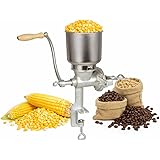
The grind size of your coffee beans is arguably one of the most critical factors in preventing bitterness and ensuring a smooth cold brew. As stated in the video, the coffee should be ground coarsely, resembling breadcrumbs. This texture is specifically designed to facilitate efficient extraction without allowing fine particles to seep into the final product.
Imagine if the coffee grounds were too fine; the small particles would easily pass through most filters, resulting in a murky brew laden with sediment. Moreover, a finer grind dramatically increases the surface area exposed to water, leading to over-extraction and a notoriously bitter taste that is difficult to mask. Therefore, a burr grinder, which provides a consistent coarse grind, is highly recommended over blade grinders, which produce uneven particle sizes.
The Steeping Process: Time and Temperature for a Gallon of Cold Brew
Once the coarsely ground coffee is placed into a filter and submerged in water, the steeping process truly begins. The video instructs to use 3780 grams of cold water and let the mixture sit at room temperature for 24 hours. This duration and temperature are strategically chosen to ensure a full, yet balanced, extraction of flavors from the coffee grounds.
Steeping at room temperature typically accelerates the extraction process compared to refrigeration, meaning optimal flavor can be achieved within a 24-hour window. If the cold brew is allowed to steep for too long, over-extraction can occur, potentially leading to a more bitter or astringent concentrate. Conversely, a shorter steeping time might result in an under-extracted brew that lacks depth and richness. Therefore, adhering to the 24-hour mark is a reliable approach for achieving consistent quality.
Filtration: Ensuring a Clean and Smooth Concentrate
After the extensive steeping period, the next crucial step is separating the coffee grounds from the liquid concentrate. The video briefly mentions adding the coffee to a filter within the gallon jug. This filtration step is vital for achieving the clean, sediment-free cold brew that is so highly prized.
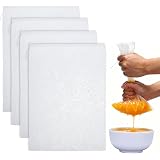
Several types of filters can be utilized for this purpose, each offering distinct advantages. Common options include specialized cold brew filters designed to fit various containers, cheesecloth, fine-mesh strainers lined with paper filters, or even a French press. Regardless of the method chosen, care should be taken during the filtration process to avoid agitating the grounds, which could inadvertently push fine particles through the filter. The objective is to obtain a clear, rich cold brew concentrate that is free from any unwanted grit.
Storing and Enjoying Your Homemade Cold Brew
Once your gallon of cold brew concentrate has been successfully filtered, proper storage is essential to maintain its freshness and flavor. The concentrate should be transferred to an airtight container and stored in the refrigerator, where it can typically remain fresh for up to two weeks. This generous shelf life is another significant advantage of making a gallon of cold brew, allowing for daily enjoyment without frequent brewing.
When ready to enjoy, the concentrate is usually diluted with water or milk, with a common starting ratio being 1:1, though this can be adjusted based on personal strength preference. This homemade cold brew concentrate can be transformed into a myriad of delicious beverages, from simple iced coffees with a splash of cream to intricate flavored lattes. Experimentation with different dilution ratios and additions can lead to a customized coffee experience that perfectly suits your palate, making the effort of brewing a large batch incredibly rewarding.
Steeped in Knowledge: Your Cold Brew Questions Answered
What is cold brew coffee?
Cold brew is made by steeping coffee grounds in cold or room temperature water for an extended period. This process creates a smoother, less acidic, and often sweeter coffee concentrate than traditional hot coffee.
Why should I make cold brew at home?
Making cold brew at home is cost-effective and provides a readily available supply of coffee. It ensures you always have a smooth, less acidic coffee for daily enjoyment or entertaining guests.
What kind of coffee beans are best for cold brew?
Older coffee beans are perfectly suitable for cold brew, which helps minimize waste. For new beans, a medium to dark roast is often recommended for robust flavors that stand up well to the long steeping process.
How should I grind my coffee beans for cold brew?
The coffee beans should be ground very coarsely, resembling breadcrumbs. This prevents bitterness and ensures that fine particles don’t seep into your final cold brew.
How long do I steep cold brew, and at what temperature?
For a gallon of cold brew, you should steep the coffee grounds in cold water at room temperature for 24 hours. This duration allows for a full and balanced extraction of flavors.