While the captivating visuals in the video above elegantly demonstrate the process, mastering the art of the French press involves understanding a few critical nuances. This classic brewing method, renowned for its simplicity and the remarkably rich, full-bodied coffee it produces, invites enthusiasts to engage directly with their brew. Moving beyond automatic machines offers a delightful journey into the heart of coffee extraction, providing a deeper appreciation for your morning cup. Understanding these fundamental steps ensures every brew is a delicious success, transforming your kitchen into a personal coffee sanctuary.
Understanding the Allure of French Press Coffee
The French press stands as a testament to timeless coffee preparation, offering a unique sensory experience. Unlike drip coffee makers that filter coffee through paper, the French press utilizes a full immersion brewing technique. This method allows coffee grounds to steep completely in hot water, extracting a broader spectrum of flavors and oils. Consequently, the resulting beverage often boasts a heavier body and a more pronounced flavor profile, appealing to those who cherish a robust cup.
Imagine if your coffee could truly express its inherent characteristics without the constraints of a quick pass-through filter. The French press facilitates this by letting the coffee and water mingle intimately, yielding a brew that is both intensely aromatic and satisfyingly complex. This hands-on approach offers immense control over variables such as steep time and water temperature, empowering you to fine-tune your coffee to perfection.
Essential Gear for Optimal French Press Brewing
Embarking on your French press journey requires more than just the brewing device itself. Selecting the right components significantly impacts the final taste of your coffee. Having the correct tools ensures consistency and allows for precise adjustments to suit your personal preferences.
Selecting the Right Coffee Beans and Grind
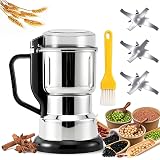
The foundation of any great cup of coffee begins with freshly roasted, high-quality beans. Consider exploring different origins and roasts to discover what truly excites your palate. Furthermore, grinding your coffee fresh just before brewing is absolutely crucial for preserving delicate aromas and flavors. Pre-ground coffee loses its vitality rapidly, resulting in a duller, less vibrant brew.
For a French press, a coarse, uniform grind is paramount. The consistency should resemble sea salt or coarse sand, allowing for optimal extraction without creating excessive sludge. Imagine trying to use fine espresso grounds in a French press; the plunger would struggle, and your coffee would likely turn out bitter and gritty. Investing in a burr grinder is highly recommended, as it produces a more consistent particle size than blade grinders, leading to a cleaner and more even extraction.
Water Temperature and Quality
Water constitutes over 98% of your coffee, making its quality incredibly important. Always use filtered water to avoid any off-flavors that tap water might introduce. The ideal water temperature for French press brewing falls between 195°F and 205°F (90°C and 96°C), just off the boil. Water that is too hot can scald the coffee, leading to a bitter taste, while water that is too cool will result in under-extraction and a weak, sour brew. A kettle with temperature control proves invaluable for achieving this precision.
Mastering the French Press Brewing Process
Once your ingredients and equipment are ready, the brewing process itself is straightforward yet demands attention to detail. Following these steps meticulously will consistently yield a fantastic cup of coffee. Each stage plays a vital role in extracting the full potential from your chosen beans.
-
Pre-heating Your French Press
Start by pre-heating your French press carafe with hot water. Pour a small amount of hot water into the vessel, swirl it around, and then discard it. This simple step helps maintain the brewing temperature, ensuring a more stable and efficient extraction process. Imagine skipping this step on a cold morning; the cool glass would rapidly drop the water temperature, leading to an under-extracted coffee.
-
Add Coarsely Ground Coffee
For a standard 8-cup (34 oz) French press, a good starting point is about 55-60 grams (approximately 8 tablespoons) of coarsely ground coffee. Adjust this coffee-to-water ratio to suit your taste; some prefer a stronger brew, while others like it milder. Place the fresh grounds evenly at the bottom of your pre-heated French press carafe.
-
The Initial Pour (Blooming)
Gently pour just enough hot water (195-205°F) over the coffee grounds to saturate them completely. Allow the coffee to “bloom” for 30-45 seconds. This fascinating phenomenon releases trapped carbon dioxide from the fresh grounds, indicating freshness and preparing the coffee for optimal extraction. You will see the grounds expand and bubble, a clear sign of delicious coffee to come.
-
Pour Remaining Water and Stir
After the bloom, slowly pour the remaining hot water into the French press, ensuring all grounds are fully submerged. Use a wooden or plastic spoon to gently stir the coffee and water mixture. This ensures an even saturation of all coffee grounds, preventing dry spots and promoting uniform extraction. Avoid metal spoons, as they can scratch the glass carafe.
-
Steep to Perfection
Place the lid on your French press, but do not plunge yet. Allow the coffee to steep for approximately four minutes. This duration is generally considered the sweet spot for a well-balanced brew, though you can experiment with slightly longer or shorter times. Imagine steeping for only two minutes; your coffee would likely taste weak and underdeveloped. Conversely, steeping for too long, like eight minutes, often results in an overly bitter cup.
-
Slow and Steady Plunge
Once the steeping time is complete, slowly and steadily press the plunger down. Use consistent, gentle pressure, aiming for a smooth descent over about 20-30 seconds. Forcing the plunger down too quickly can agitate the grounds, potentially pushing fine particles through the filter and creating a gritty cup. Stop pressing just as you feel resistance from the compacted coffee bed at the bottom.
-
Serve Immediately
Pour your freshly brewed coffee into a warmed mug immediately after plunging. Do not let the coffee sit in the French press with the grounds, as it will continue to extract and become increasingly bitter. If you are not consuming all the coffee at once, transfer it to a separate insulated carafe to maintain its temperature and flavor integrity.
Elevating Your French Press Experience
Beyond the basic steps, several refinements can further enhance your French press coffee. These subtle adjustments address common challenges and help you truly dial in your preferred brewing style. Moreover, they allow for a deeper understanding of coffee’s complex chemistry.
The Art of the Double Filter
For those who find French press coffee too silty or prefer a cleaner cup, consider the “double filter” technique. This involves placing a paper filter (like those for pour-over coffee, rinsed well) over the mesh screen of your French press plunger before pressing. Imagine achieving the body of French press with the clarity of pour-over; this method offers exactly that. This simple addition effectively catches smaller particulates, delivering a remarkably smooth drinking experience.
Monitoring Extraction and Troubleshooting
Taste is your ultimate guide, and understanding common flavor imbalances can help you adjust your technique. If your coffee tastes weak or sour, it might be under-extracted, suggesting you need a finer grind, hotter water, or a longer steep time. Conversely, if your coffee is excessively bitter, it’s likely over-extracted, indicating a grind that’s too fine, water that’s too hot, or a steep time that’s too long.
Paying close attention to these signals allows for continuous improvement in your French press technique. Adjust one variable at a time between brews to isolate the effect, helping you identify the perfect parameters for your specific beans and palate. This iterative process is what makes manual brewing so rewarding.
Cleaning and Maintaining Your French Press
Proper cleaning extends the life of your French press and ensures every cup tastes fresh. After each use, discard the coffee grounds and rinse all components thoroughly with warm water. Disassemble the plunger mechanism periodically to clean between the mesh filter screens, where oils and fine grounds can accumulate. Regular cleaning prevents the buildup of stale coffee oils, which can impart an unpleasant, rancid flavor to subsequent brews. A well-maintained French press consistently delivers delicious coffee.
Still Brewing? Your French Press Questions Answered
What is a French press?
A French press is a classic coffee brewing method that uses full immersion, steeping coffee grounds directly in hot water. This technique extracts a broader spectrum of flavors and oils, resulting in a rich, full-bodied coffee.
What type of coffee grind is best for a French press?
For a French press, it’s best to use a coarse, uniform grind, similar to sea salt or coarse sand. This grind size allows for optimal extraction without creating excessive sludge in your cup.
What is the ideal water temperature for brewing French press coffee?
The ideal water temperature for French press brewing is between 195°F and 205°F (90°C and 96°C), which is just off the boil. This temperature prevents scalding the coffee and ensures proper extraction.
How long should I let my coffee steep in the French press?
You should allow your coffee to steep for approximately four minutes in the French press. This duration is generally considered the sweet spot for achieving a well-balanced and flavorful brew.