The journey of a homebrewer often begins with simple curiosity, perhaps a gifted kit, and sometimes, a few initial batches that don’t quite hit the mark. It is a common narrative, beautifully encapsulated in the accompanying video, where the initial foray into brewing Coopers Lager revealed an unexpected truth: some beers, particularly well-crafted ones, evolve wonderfully with age. This personal discovery, highlighted in the video, underscores the patience and meticulousness required to transform a basic homebrew into a truly exceptional beverage. The pursuit of brewing perfection is an ongoing process, continually refined by knowledge, experimentation, and a deep appreciation for the craft.
Indeed, the anecdote regarding the 13-year-old Coopers Lager, validated by Cooper’s Brewery itself, serves as a testament to the longevity and quality potential inherent in these kits, especially when handled with care and specific enhancements. This remarkable finding contradicts common assumptions about homebrew shelf-life, suggesting that with appropriate techniques, a homebrewed lager can mature into something truly extraordinary. Consequently, understanding the foundational steps, as well as embracing advanced techniques, becomes paramount for any aspiring brewer aiming to replicate or even surpass such a feat.
Elevating Your Coopers Lager: Strategic Recipe Modifications
While a standard Coopers homebrew kit provides an excellent starting point, the true artistry of homebrewing lies in judicious recipe modification. As demonstrated in the video, thoughtful additions can significantly alter the flavor profile and overall character of the final product. Specifically, the infusion of Galaxy Hops, the selection of SafAle S-04 yeast, and the inclusion of light dry malt are pivotal in transforming a conventional Coopers Lager into a bespoke brew, akin to a sophisticated craft offering such as James Squire 150 Lashes.
Galaxy Hops, an iconic Australian hop variety, is celebrated for its vibrant passionfruit, citrus, and peach notes. Its high alpha acid percentage, which can reach up to 16%, typically denotes its bittering potential. However, when utilized as an aromatic or ‘flavor’ hop through infusion, as suggested in the video, its tropical fruit esters are exquisitely highlighted without imparting excessive bitterness. Furthermore, the choice of Fermentis SafAle S-04, a popular ale yeast, plays a crucial role. This yeast strain is known for its fast fermentation kinetics and its ability to produce a clean, estery profile that complements the fruity characteristics of Galaxy Hops, thereby enhancing the overall aromatic complexity of the lager. Lastly, the integration of light dry malt (LDM) serves a dual purpose: it contributes additional fermentable sugars, potentially increasing the alcohol content, and significantly improves head retention, lending a richer mouthfeel and visual appeal to the beer.
The Imperative of Sanitation: A Cornerstone of Quality Homebrewing
In the realm of homebrewing, the adage “brewers make wort, yeast makes beer” is often heard, but an equally vital truth is that “cleanliness is next to godliness.” Maintaining impeccable sanitation and sterilization practices is not merely recommended; it is absolutely critical for preventing off-flavors and ensuring a successful batch. Contamination by wild yeasts or bacteria can swiftly ruin an entire fermenter of beer, leading to sour, phenolic, or otherwise undesirable characteristics. Therefore, every piece of equipment that will come into contact with the wort or beer post-boil must be meticulously cleaned and sanitized.
As detailed in the video, the initial sanitization of a new fermenter might only require a sanitizing agent. However, subsequent batches necessitate a more rigorous approach involving both sterilization and sanitization. Phosphoric acid-based sanitizers, such as Star San, are highly effective as no-rinse options, reducing the risk of introducing tap water contaminants. Conversely, chlorinated trisodium phosphate (TSP), often sourced from specialized brewing suppliers like Country Brewer, acts as a powerful cleaner and sterilizer, particularly suitable for removing stubborn organic residues. It is imperative to remember that common household soaps are unsuitable for brewing equipment, as their residues can cling to surfaces and impart persistent, soapy off-flavors to the beer. Consequently, thorough rinsing with hot water, followed by a robust sanitization protocol, remains indispensable for achieving consistently high-quality brews.
Mastering Fermentation: Temperature Control and Specific Gravity
The fermentation phase is arguably the most critical stage in brewing, wherein the yeast converts sugars into alcohol and carbon dioxide, while also contributing various flavor compounds. Precise temperature control during this period is paramount. The recommended fermentation range for SafAle S-04 yeast, between 18 to 26 degrees Celsius, allows for optimal yeast activity and flavor development. Deviations from this range can lead to several issues: excessively high temperatures might produce undesirable fusel alcohols, characterized by harsh, solvent-like flavors, while overly low temperatures can cause sluggish fermentation, potentially resulting in under-attenuation and an incomplete flavor profile.
Monitoring fermentation progress is typically accomplished through specific gravity readings, obtained using a hydrometer. The initial specific gravity (Original Gravity or OG) measures the sugar concentration of the wort before fermentation, while subsequent readings track the sugar consumption by yeast. As shown in the video, an OG of 1042, resulting from the additional light dry malt, indicates a richer sugar content compared to a standard kit. The final specific gravity (FG) of 1009 signifies the conclusion of primary fermentation. The difference between the OG and FG is directly proportional to the alcohol content, a calculation that provides a precise understanding of the beer’s strength. This meticulous tracking ensures that the yeast has performed its function completely and the beer is ready for the next stage of conditioning.
The Art of Bottling: Carbonation and Preservation
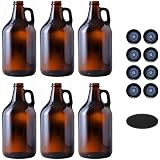
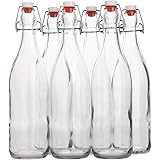
Following primary fermentation, the beer is prepared for bottling, a process that initiates secondary fermentation and carbonation. The video highlights the importance of clean, sanitized bottles and the use of carbonation drops. These drops, essentially measured amounts of priming sugar, provide the yeast (which remains suspended in the beer) with the necessary fuel to produce carbon dioxide within the sealed bottle. This trapped CO2 dissolves into the beer, creating the effervescence characteristic of a lager. For a standard 750ml bottle, two carbonation drops are typically employed, ensuring proper carbonation levels without risking over-pressurization.
The integrity of the bottle seal is equally vital; any leakage of CO2 will result in flat, unappealing beer. Furthermore, minimizing the beer’s exposure to oxygen during bottling is crucial, as excessive oxygen can lead to oxidation, imparting stale, papery, or sherry-like off-flavors over time. Utilizing tools like a bottle washer and a bottle tree, as demonstrated, streamlines the sanitization and drying processes, enhancing efficiency and reducing the risk of contamination. These diligent practices in bottling ensure that the hard work invested in brewing culminates in a perfectly carbonated and stable Coopers Lager, ready for enjoyment, or even, for a potentially legendary aging period.
From Kettle to Keg: Your Coopers Iconic Lager Q&A
What is this guide about?
This guide provides instructions on how to brew Coopers Iconic Lager at home and enhance its flavor with strategic modifications.
Why is it important to clean brewing equipment properly?
Cleaning and sanitizing equipment is crucial to prevent contamination from wild yeasts or bacteria, which can cause off-flavors and ruin your beer.
How can I make my homebrewed Coopers Lager taste even better?
You can improve the flavor by adding ingredients like Galaxy Hops for fruity notes, using SafAle S-04 yeast, and including light dry malt for a richer body.
What is the purpose of fermentation in brewing?
Fermentation is the critical stage where yeast converts sugars into alcohol and carbon dioxide, which creates the beer and contributes to its flavor profile.
Why do I add carbonation drops when bottling my beer?
Carbonation drops provide sugar to the yeast inside the sealed bottle, allowing it to produce carbon dioxide and make the beer fizzy.