Every homebrewer, regardless of experience, constantly seeks ways to refine the brewing process. The pursuit of making brewing simpler, more efficient, and ultimately more enjoyable is a shared journey. Many hours are often invested in preparation, brewing, and cleanup, leading to a natural desire for streamlining.
The accompanying video offers practical ‘hacks’ designed to enhance your homebrewing experience. These suggestions range from equipment modifications to process adjustments. Embracing these tactics can certainly improve your brew days.
Enhancing Your Setup with Home Brewing Hacks
Optimizing equipment forms a cornerstone of efficient brewing. Simple modifications often yield significant time savings. They also contribute to overall beer quality and consistency. Thoughtful setup choices can truly transform your brewing routine.
Spigots on Fermenters and Kettles: A Game Changer
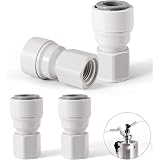
Traditional siphoning methods can be cumbersome. They often carry risks of oxygen exposure and potential infection. Spigots eliminate the need for an auto siphon, making liquid transfers much smoother. This hack is favored by many brewers.
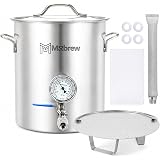
Plastic spigots are inexpensive and easily installed on plastic buckets or carboys. For brewing kettles, installing a ball valve requires a bit more effort. However, the convenience of emptying the kettle and taking samples is immense. Samples may be drawn without opening the fermenter. This reduces exposure risks significantly.
Sanitizer in a Spray Bottle: Instant Protection
Sanitation is paramount in homebrewing. A spray bottle filled with sanitizer is an indispensable tool. It allows for quick, on-the-spot sanitization of various items. This includes tubing, fermenter lids, and small equipment pieces.
Using distilled water to prepare your sanitizer solution is a smart move. It ensures the solution remains effective for a longer period. This simple hack ensures sanitizer is always ready when needed. It minimizes waste and maximizes hygienic practice.
Simplifying Cleanup and Process with Practical Home Brewing Hacks
Beyond equipment, certain processes can also be optimized. Cleanup, often a dreaded part of brewing, can be made much easier. Strategic adjustments to the brew day itself also offer substantial benefits. These methods reduce effort and save valuable time.
PBW for Effortless Label Removal
Collecting and reusing bottles is a common practice among homebrewers. However, removing stubborn labels often presents a challenge. Soaking bottles in hot water alone rarely works effectively. This leads to tedious scraping and scrubbing.
Powdered Brewery Wash (PBW) is a powerful alkaline cleaner. It performs wonders on bottle labels. A short soak in a hot PBW solution, approximately 15 minutes, causes most labels to slide right off. This saves hours of manual labor. It also thoroughly cleans the inside of bottles, preparing them for reuse.
Shortening Your Brew Day: Efficiency Unleashed
A full brew day can extend beyond five hours. Much of this time is dedicated to waiting during the mash and boil phases. Modern beer grains are highly modified. This means most starch conversion in the mash occurs quickly, often within the first 20 minutes. Historically, longer mash times were essential. Today, they are less critical for basic conversion.
Boil length primarily impacts water evaporation and hop bitterness. Reducing the boil to 30-45 minutes may be suitable for many recipes. Brewers can compensate for reduced mash efficiency by adding a small amount of extra grain. Similarly, increasing hop pellet additions can offset less bitterness from a shorter boil. Experimentation with shorter times can significantly reduce your brew day. This offers more flexibility for busy schedules without compromising beer quality.
Precision and Experimentation with Home Brewing Hacks
Achieving specific flavors and experimenting with new recipes requires precision. Guesswork can lead to inconsistent results. Utilizing tools designed for accuracy can greatly elevate your brewing outcomes. These methods allow for controlled adjustments and reliable replication.
Dosing Adjunct Flavors with a Syringe
Adding adjunct flavors, such as fruit extracts or tinctures, demands accuracy. Overdoing an addition can ruin an entire batch. Underdoing it leaves the beer lacking the desired profile. Dosing syringes are excellent tools for precise measurement.
Small samples of the finished beer can be drawn. Then, exact milliliters of flavor extracts are added to each sample using a syringe. This allows brewers to determine the perfect ratio on a small scale. Once the ideal dose is found, it can be accurately scaled up for the full batch. This method prevents costly mistakes and ensures flavor consistency. It takes the guesswork out of crucial flavor adjustments.
The Value of an Inexpensive Fermenter
Having a small, dedicated fermenter is a bonus hack for any homebrewer. These fermenters are often available for under $10. They are invaluable for experimental batches or testing new recipes. They allow for low-risk exploration of new ingredients or techniques.
Brewing smaller batches fosters skill development. It allows for rapid iteration and learning. Brewers can test out new yeasts, hop combinations, or adjuncts without committing to a full-sized batch. This promotes creativity and accelerates improvement. It is one of the most effective home brewing hacks for continuous learning.
Decoding Your Homebrew Hacks: Q&A
What is a spigot on a fermenter or kettle, and why is it helpful for homebrewing?
A spigot is a tap installed on your brewing vessel. It makes transferring liquids much easier and helps prevent oxygen from getting into your beer, which can spoil it.
How can a spray bottle improve my sanitation practices?
Filling a spray bottle with sanitizer allows you to quickly clean small items like tubing or lids on the spot. This ensures everything stays hygienic and prevents contamination.
Is there an easy way to remove labels from bottles I want to reuse?
Yes, soaking bottles in a hot solution of Powdered Brewery Wash (PBW) for about 15 minutes will usually make the labels slide right off. This saves a lot of time and effort.
Why would a beginner homebrewer want a small, inexpensive fermenter?
An inexpensive small fermenter is great for trying out new recipes, ingredients, or techniques without needing to brew a full-sized batch. It helps you learn and experiment without wasting a lot of ingredients.