Do you often find your home-brewed coffee lacking that certain something, wishing it could rival the quality of your favorite coffee shop? Many coffee enthusiasts face the common frustration of inconsistent flavor or a less-than-satisfying cup brewed in their own kitchen. The good news is that achieving delicious, café-quality coffee at home is entirely within reach, without the need for expensive, complicated equipment. As the accompanying video highlights, a few fundamental techniques can dramatically elevate your daily brew, transforming ordinary coffee into an exceptional experience.
Indeed, understanding and applying simple principles can lead to consistently better coffee at home, making your morning ritual something truly special. By focusing on a handful of key areas, you can unlock the full potential of your coffee beans and enjoy a superior taste every time.
The Foundation of Flavor: Fresh Whole Beans
The journey to brewing better coffee at home undeniably starts with the beans themselves. Purchasing pre-ground coffee from a supermarket shelf, a common practice for many, is often the first misstep. Consider that coffee is an agricultural product, much like fresh produce, and its flavor degrades over time. It is a perishable item, meaning its peak freshness is fleeting.
Why Freshness Matters for Home Brewing
Freshly roasted coffee beans reach their aromatic and flavorful peak just a few days after roasting. Over time, exposure to air, light, moisture, and heat causes the volatile compounds responsible for coffee’s complex flavors to dissipate. Within a month to a month and a half after the roast date, coffee beans significantly lose their vibrant characteristics and begin to taste stale. This rapid degradation is precisely why many mass-market coffee bags often lack a clear roast date, making it challenging for consumers to gauge freshness.
For truly superior coffee, seek out local coffee roasters. These establishments typically roast beans in smaller batches, ensuring you can purchase coffee that is only a week or two off roast. This direct sourcing allows you to experience the coffee at its most flavorful. Aim to consume the bag within a month of its roast date for optimal taste. When you prioritize fresh, whole bean coffee, you lay the essential groundwork for a remarkable cup.
Mastering Coffee Storage for Peak Freshness
Once you’ve invested in high-quality, fresh whole bean coffee, proper storage becomes paramount to preserving its delicate flavors. Misguided storage practices can quickly negate the benefits of buying fresh. The primary enemies of coffee freshness are oxygen, moisture, heat, and light, all of which accelerate the staling process.
Optimal Storage Techniques for Your Beans
To maintain peak freshness, transfer your whole bean coffee into an opaque, airtight container immediately after opening the bag. Glass jars with airtight seals, like the quart-size jar mentioned in the video for a 12-ounce bag, work exceptionally well. As you use the beans, consider transferring them to smaller containers—perhaps a pint-size or even a 4-ounce jar for single servings—to minimize the air space. Less air around the beans means less oxidation and a longer period of freshness.
Store your sealed container in a cool, dark place, away from direct sunlight or sources of heat like ovens or stovetops. Contrary to popular belief, storing coffee in the refrigerator or freezer is generally not recommended for daily use. The refrigeration process can introduce moisture and allow the beans to absorb odors from other foods, adversely affecting flavor. If you must store larger quantities for extended periods, freezing whole beans in an airtight, freezer-safe bag can be an option, but ensure they are thawed completely before grinding to prevent moisture issues.
The Crucial Step: Grinding Just Before Brewing
Beyond selecting fresh beans and storing them correctly, the act of grinding your coffee just before brewing is a non-negotiable step for anyone serious about brewing better coffee at home. The video accurately points out that experts concur: coffee begins to lose its flavor just 30 minutes after being ground. Imagine the flavor loss in a bag of pre-ground coffee that has sat on a shelf for months!
Blade vs. Burr Grinders: Precision in Every Particle
When you grind coffee, you significantly increase its surface area, exposing more of the bean to oxygen. This accelerates the rate at which aromatic compounds escape and flavors degrade. Therefore, grinding on demand is a simple yet profound way to preserve the coffee’s integrity. For this task, a burr grinder is vastly superior to a blade grinder. While a blade grinder essentially chops the beans into uneven particles, a burr grinder grinds them uniformly. This consistency in grind size is critical for an even extraction, leading to a balanced and flavorful cup.
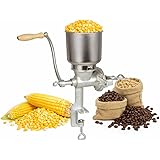
You don’t need an expensive automatic burr grinder to get started. High-quality hand mill burr grinders are available at relatively affordable prices and offer excellent grind consistency, making them a fantastic entry point for aspiring home baristas. The investment in a burr grinder, whether manual or electric, will pay dividends in the quality of your brewed coffee.
Achieving Consistency with the Right Coffee-to-Water Ratio
One of the most effective ways to eliminate variables and consistently brew delicious coffee is to use a precise coffee-to-water ratio every time. Many automatic coffee makers come with a scoop, but relying on volume to measure coffee is inherently inaccurate. Different roasts and bean densities mean that a scoop of dark roast might weigh less than a scoop of light roast, even if the volume appears similar.
The Golden Ratio and Beyond
To ensure true consistency, weighing your coffee and water is the gold standard. A simple kitchen scale is an invaluable tool for this purpose. The Specialty Coffee Association (SCA) often recommends a “Golden Ratio” of 1:18, meaning one part coffee to eighteen parts water. However, preferences vary widely. As the video mentions, a common ratio in coffee shops is 1 part coffee to 20 parts water. Some individuals prefer a stronger brew, opting for ratios as high as 1:12, while others find that too intense and might go as low as 1:30 for a lighter cup.
Experimentation is key to finding your personal ideal. Start with a ratio like 1:15 or 1:18, and then adjust slowly based on taste. For example, if you want to brew 500 grams (ml) of water with a 1:15 ratio, you would divide 500 by 15, which means you’d use approximately 33.3 grams of coffee. By consistently applying your preferred ratio, you gain greater control over the strength and flavor profile of your final brew, leading to a reliably tasty cup of coffee.
The Art of Pre-Infusion: Unleashing Full Flavor
A frequently overlooked yet crucial step in the brewing process is pre-infusion, often referred to as the “bloom.” This technique involves saturating the coffee grounds with a small amount of hot water just before the main brewing cycle begins. Many automatic coffee makers either skip this step entirely or do not allow users to enable it, which can significantly impact the quality of the final brew.
The Science Behind the Bloom
When coffee beans are roasted, they trap carbon dioxide (CO2) within their cellular structure. As hot water first contacts the grounds, this CO2 rapidly escapes, causing the coffee bed to expand and “bloom.” This degassing process is vital for several reasons:
- Even Saturation: By releasing trapped gases, the pre-infusion allows the subsequent brewing water to more evenly penetrate and saturate all the coffee particles.
- Preventing Under-extraction: If you skip the bloom, the CO2 can repel the brewing water, creating dry pockets in the coffee bed. Water will then channel through paths of least resistance, leading to uneven extraction where some coffee is over-extracted and some is under-extracted. This results in a weaker, less flavorful, or even sour-tasting brew.
- Enhanced Flavor Development: The bloom essentially preps the coffee for extraction, allowing the flavors to develop more fully and be released more efficiently during the main brew cycle.
To incorporate pre-infusion into your routine, check if your coffee maker has a “pre-infuse” or “bloom” setting and ensure it’s activated. If not, you can manually pre-infuse by pouring about twice the weight of your coffee in hot water (e.g., 60 grams of water for 30 grams of coffee) over the grounds, ensuring they are all wet. Let it sit for 30-45 seconds, observing the beautiful rise and fall of the coffee bed, before initiating your automatic brewer. This simple action can dramatically improve the clarity and depth of your home-brewed coffee.
Still Steaming? Your Coffee Brewing Questions Answered
Why are fresh coffee beans important for better coffee?
Freshly roasted coffee beans have their best flavor and aroma. Over time, coffee loses its vibrant characteristics and tastes stale because compounds dissipate when exposed to air, light, moisture, and heat.
How should I store my coffee beans to keep them fresh?
Store whole coffee beans in an opaque, airtight container in a cool, dark place away from direct sunlight or heat. Avoid storing coffee in the refrigerator for daily use, as it can introduce moisture and unwanted odors.
Is it better to grind coffee beans myself, or buy pre-ground coffee?
It is much better to grind whole coffee beans right before you brew, as ground coffee loses its flavor significantly within 30 minutes. A burr grinder creates a more even grind, which is important for consistent and delicious extraction.
What is a good starting point for the coffee-to-water ratio?
A common starting point, often called the ‘Golden Ratio’ by experts, is 1 part coffee to 18 parts water. Using a kitchen scale to weigh your coffee and water helps ensure consistent strength and flavor every time.
What is ‘pre-infusion’ and why is it important when brewing coffee?
Pre-infusion, also known as ‘blooming,’ is when you wet the coffee grounds with a small amount of hot water for 30-45 seconds before the main brew. This releases trapped gases, allowing the water to saturate all coffee particles evenly for a fuller, more balanced flavor.