Complementing the visual demonstration above, this comprehensive guide delves into the nuances of creating your own traditional mead from scratch. Crafting mead, often referred to as honey wine, is an ancient art form that has captivated brewers for millennia. This detailed article provides an exhaustive exploration of the ingredients, equipment, and methodical steps required for successful traditional mead making, ensuring that every aspiring brewer can achieve delicious results. Understanding the science behind fermentation is paramount, transforming simple honey and water into a complex and delightful alcoholic beverage. Furthermore, proper sanitation and precise temperature control are essential factors for cultivating a thriving yeast environment and preventing unwanted contaminants. This resource aims to empower homebrewers with the knowledge necessary to master the entire traditional mead making process, from initial preparation to final bottling.
The Essentials for Traditional Mead Making
Embarking on the journey of traditional mead making necessitates a careful selection of high-quality ingredients and appropriate brewing equipment. The foundation of any excellent mead is, unequivocally, good honey; varietal honeys like orange blossom, clover, or wildflower each impart distinct flavor profiles. Furthermore, selecting a suitable yeast strain is crucial, as it significantly influences the final alcohol content and aromatic characteristics of your mead. Nutrients for the yeast are often required to support healthy fermentation, particularly given honey’s relatively low nutrient content compared to grape must or malt wort. Water quality also plays a vital role in mead production, so filtered or spring water is generally preferred over chlorinated tap water. Acid blends or tannins may occasionally be added to balance the mead’s flavor and enhance its mouthfeel.
Key Ingredients:
- Honey: Approximately 3-4 pounds per gallon for a standard strength mead, such as a 12-14% ABV beverage. For instance, a common starting gravity for a dry mead might be 1.090, while a sweeter mead could start around 1.120.
- Yeast: Specialized wine or mead yeast strains like Lalvin EC-1118, K1V-1116, or D-47 are frequently recommended due to their robust fermentation capabilities. These strains are often selected based on their alcohol tolerance and desired flavor contributions.
- Yeast Nutrients: Diammonium Phosphate (DAP) and Fermaid O/K are commonly utilized to prevent stalled fermentations and ensure optimal yeast health. A staggered nutrient addition regimen is generally employed for superior results.
- Water: Utilize filtered or dechlorinated water to avoid off-flavors that chlorine compounds can introduce during the fermentation process. Water chemistry profoundly impacts the overall taste and stability of the finished mead.
Essential Equipment:
- Primary Fermenter: A food-grade bucket or carboy (typically 1-gallon or 5-gallon capacity) equipped with an airtight lid and an airlock. The primary vessel allows robust fermentation without oxygen exposure.
- Secondary Fermenter: A glass carboy of appropriate size, essential for aging and clarifying the mead after the initial vigorous fermentation subsides. This stage minimizes contact with spent yeast, reducing autolysis flavors.
- Airlock and Stopper: Critical components that permit carbon dioxide to escape while preventing airborne contaminants from entering the fermenter. A consistent bubbling rate indicates active fermentation.
- Hydrometer and Test Jar: Used to measure the specific gravity of the must, allowing brewers to track fermentation progress and determine the final alcohol content. An initial gravity reading and a final gravity reading are indispensable for quality control.
- Sanitizer: Products such as Star San or iodophor are indispensable for thoroughly cleaning and sanitizing all equipment that will contact the mead. Proper sanitation is perhaps the single most important factor for preventing spoilage.
- Siphon and Tubing: Necessary for transferring the mead between fermenters and into bottles without disturbing the sediment. A bottling wand attached to the tubing facilitates clean and efficient bottling.
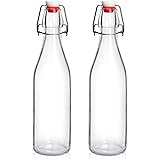
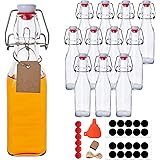
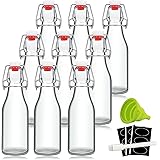
- Bottles, Corks/Caps, and Bottling Equipment: Ensuring your finished mead is properly packaged for storage and enjoyment. Champagne bottles are often preferred for sparkling meads, while wine bottles suit still meads.
Mastering the Fermentation Process for Mead
The fermentation phase represents the transformative heart of traditional mead making, converting sugars into alcohol and complex flavor compounds. This process typically unfolds in two distinct stages: primary and secondary fermentation, each serving a vital purpose. During primary fermentation, yeast rapidly consumes the readily available sugars, producing significant amounts of carbon dioxide and alcohol. Monitoring the temperature throughout this period is crucial, as excessive heat can lead to off-flavors, while too low a temperature can stall yeast activity. Consequently, maintaining a stable temperature range, often between 60-75°F (15-24°C), is a common recommendation among experienced mead makers. After the initial vigorous activity subsides, the mead is transferred to a secondary fermenter for further maturation and clarification.
Primary Fermentation: The Initial Transformation
The first step involves creating the “must,” which is the unfermented mixture of honey, water, and yeast nutrients. This must must be thoroughly mixed to ensure the honey is fully dissolved before pitching the yeast. Subsequently, the yeast is rehydrated according to package instructions and then introduced into the must. It is important to remember that cleanliness during this stage is absolutely critical; any microbial contamination can ruin an entire batch. The primary fermenter is then sealed with an airlock, allowing CO2 to escape while preventing oxygen ingress. Vigorous bubbling in the airlock typically commences within 24-48 hours, signifying active fermentation. This initial phase usually lasts for 2-4 weeks, depending on the yeast strain, temperature, and sugar content of the must.
Secondary Fermentation: Refining and Clarifying
Once primary fermentation visibly slows or ceases, indicated by a significant reduction in airlock activity and stable hydrometer readings, the mead is carefully siphoned into a clean and sanitized secondary fermenter. This racking process separates the mead from the thick layer of spent yeast and honey sediment, known as the “lees,” which can impart undesirable flavors if left in contact for too long. Secondary fermentation allows the mead to clarify further, develop more nuanced flavors, and continue a slow, gentle fermentation of any remaining complex sugars. This stage can last for several weeks to several months, providing ample time for the mead to mature and for any remaining yeast to settle out. Many brewers choose to add flavorings like fruit, spices, or oak chips during this stage to infuse additional complexity into their mead.
Racking, Aging, and Bottling Your Homemade Mead
The final stages of traditional mead making involve carefully preparing your brew for consumption and long-term storage, beginning with additional racking and a crucial aging period. Racking, the process of transferring the mead from one vessel to another, is performed to remove sediment and further clarify the beverage. This action is especially important to prevent off-flavors that can arise from yeast autolysis, where dead yeast cells begin to break down over time. Furthermore, aging is an indispensable component of mead production, allowing flavors to meld, harsh notes to soften, and the overall profile to develop greater complexity. Proper aging conditions contribute significantly to the exquisite character of a well-made mead, transforming a raw ferment into a sophisticated drink. Finally, bottling with precision ensures the mead remains stable and delicious for extended periods.
Racking for Clarity and Flavor Development
After secondary fermentation and an initial aging period, another racking may be necessary to achieve brilliant clarity. Each transfer should be executed with utmost care, minimizing splashing and oxygen exposure to preserve the delicate aromas and flavors. Oxygen ingress during racking can lead to oxidation, resulting in stale or sherry-like notes in the finished mead. Consequently, many homebrewers employ CO2 or argon gas to purge their receiving vessels before transferring the mead, thereby creating an inert atmosphere. This practice significantly reduces the risk of oxidation and helps maintain the mead’s fresh characteristics. Generally, racking is performed when a significant layer of sediment has accumulated, or when adding new ingredients that require subsequent removal.
The Art of Aging Mead
Aging is arguably the most influential factor in developing a truly exceptional traditional mead; patience during this phase is indeed a virtue. Younger meads can often present with harsh alcohol notes or unbalanced flavors that mellow considerably over time. Many commercially successful meads are aged for at least six months, with some premium varieties aged for several years to achieve their full potential. Storage conditions during aging are critical; a cool, dark place with a stable temperature is ideal, protecting the mead from light degradation and temperature fluctuations. During this period, complex chemical reactions occur, leading to the integration of flavors and a smoother, more refined drinking experience. A well-aged mead can exhibit incredible depth and nuance, evolving considerably from its initial fermentation profile.
Bottling Your Homemade Mead
Once your mead has reached its desired clarity and flavor profile after aging, it is time for bottling. This final step seals the mead’s character, preparing it for storage or immediate enjoyment, yet sanitation remains paramount throughout the entire process. All bottles must be scrupulously cleaned and sanitized to prevent microbial contamination that could spoil your efforts. The mead is then carefully siphoned from the aging vessel into the bottles, leaving appropriate headspace (typically one inch from the top) to accommodate temperature changes and potential cork expansion. For still meads, crown caps or natural corks are suitable closures, providing an effective seal against oxygen. If carbonation is desired, a small amount of priming sugar can be added to each bottle, allowing a secondary fermentation to occur within the sealed container. This process, known as bottle conditioning, creates natural carbonation, adding a lively effervescence to the traditional mead making endeavor.
Still Brewing Questions? Your Mead Q&A
What is mead?
Mead is an alcoholic beverage often called ‘honey wine,’ created by fermenting a mixture of honey and water. It’s an ancient craft that transforms simple ingredients into a complex drink.
What are the main ingredients needed to make traditional mead?
The core ingredients for traditional mead are honey, specialized wine or mead yeast, yeast nutrients to support fermentation, and clean, filtered water.
What essential equipment do I need to start making mead?
Key equipment includes primary and secondary fermenters, an airlock and stopper, a hydrometer to track fermentation, sanitizer for cleanliness, and bottles for the finished mead.
Why is sanitation so important when brewing mead?
Sanitation is crucial to prevent unwanted microbes from contaminating your mead, which can lead to off-flavors or spoilage. Clean equipment ensures a successful and delicious batch.
What is the difference between primary and secondary fermentation?
Primary fermentation is the initial vigorous stage where yeast rapidly converts sugars into alcohol. Secondary fermentation is a slower process for clarifying the mead, allowing flavors to develop, and for remaining yeast to settle.