Imagine cutting your regular kombucha expenses by a remarkable 80% or even more. As is highlighted in the video above, embarking on the journey of making homemade kombucha is not only surprisingly straightforward but also incredibly rewarding. The perception that brewing your own fermented beverages is a complex or intimidating task is often quickly dispelled once the simple steps are understood. This accessible process allows individuals to enjoy a refreshing, effervescent drink at a fraction of the cost typically encountered at grocery stores, where a single bottle can range from $3 to $4. In stark contrast, a batch of homemade kombucha can be produced for as little as 50 cents per serving, representing a significant financial advantage over time.
The core appeal of crafting this probiotic-rich beverage at home lies in its simplicity and the minimal investment required. What might seem like an arcane art is, in reality, a basic fermentation project that relies on fundamental principles. Once the initial setup is complete, the maintenance and subsequent batches become even easier, transforming a one-time effort into a continuous source of healthful refreshment. This guide aims to demystify the process, expanding on the video’s insights and providing a comprehensive understanding of how to produce delicious, cost-effective kombucha right in your own kitchen.
The Astonishing Simplicity of Home Brewing Kombucha
Kombucha brewing is often perceived as a complex undertaking, conjuring images of intricate laboratory setups or specialized equipment. However, the reality is far from this misconception, as the entire process is built upon incredibly basic principles that anyone can master. It is considered one of the most accessible fermentation projects, requiring only a handful of common ingredients and a bit of patience. The foundational process is built upon brewing a large pot of black tea, to which sugar is then added to create a sweetened base.
This sweet tea mixture provides the perfect environment for a unique biological entity known as a SCOBY to thrive and perform its magic. The transformation from a simple sweet tea to a tangy, complex kombucha is a testament to the natural power of fermentation. This ease of creation means that the barriers to entry for new brewers are remarkably low, encouraging more people to explore the benefits and joys of DIY beverages. Ultimately, the simplicity of making homemade kombucha ensures that a delicious, healthy drink is always within reach.
What is a SCOBY, and Why is it Essential?
At the heart of every successful batch of kombucha lies the SCOBY, a term that stands for Symbiotic Colony of Bacteria and Yeast. This gelatinous disc is affectionately referred to as a “funky boogery looking thing” in the video, but its role in the fermentation process is absolutely critical. Functioning as the starter culture, the SCOBY is a living organism responsible for transforming sweetened tea into the distinctive fizzy, acidic drink known as kombucha. It actively consumes the sugar and caffeine present in the tea, breaking them down through metabolic processes.
Its primary function is achieved by producing various organic acids, enzymes, and probiotics that give kombucha its characteristic flavor and health benefits. Without a healthy SCOBY, the desired fermentation simply cannot occur, leaving you with nothing more than sugared tea. A new SCOBY can be acquired in several ways; it is commonly purchased online from retailers like Amazon, or it can be grown at home using a bottle of unflavored, raw store-bought kombucha. This versatility in obtaining the starter culture further contributes to the accessibility of home kombucha brewing for enthusiasts everywhere.
Gathering Your Fermentation Essentials
Before any brewing can commence, the right ingredients and equipment must be assembled to ensure a smooth and successful process. The beauty of making homemade kombucha is that most of the required items are readily available and often already present in a typical kitchen. The primary components include black tea, sugar, water, and of course, a healthy SCOBY. Choosing quality ingredients is a small but important step that can significantly impact the final taste and efficacy of your fermented beverage.
Beyond the consumables, a suitable brewing container is essential, typically a large glass jar or food-grade bucket that allows for ample volume and easy access. Other helpful items might include a cloth cover, rubber band, and bottling equipment for the secondary fermentation phase. Understanding the purpose of each ingredient and piece of equipment contributes to a more informed and confident brewing experience. With these essentials in place, the stage is set for the fascinating journey of home kombucha production.
The Role of Tea: Beyond Just Flavor
The choice of tea for your kombucha base is more significant than merely influencing the flavor; it actively contributes to the health and vitality of your SCOBY. Black tea is traditionally recommended and commonly used because it contains tannins and nitrogen, which are vital nutrients for the yeast and bacteria in the SCOBY. These compounds provide a stable environment for the symbiotic culture to thrive, ensuring robust fermentation and a well-balanced final product. While black tea is the standard, variations are possible.
Other true teas, such as green tea or oolong, can also be utilized, offering different flavor profiles and nutrient compositions that the SCOBY can adapt to. However, it is generally advised to avoid flavored teas or those containing essential oils, as these can interfere with the SCOBY’s health and the fermentation process. Imagine if your carefully brewed tea suddenly became hostile to your SCOBY; that is why the right tea choice is paramount. Ultimately, the quality and type of tea chosen lay the groundwork for a successful and delicious batch of homemade kombucha.
Sweet Success: Understanding Sugar’s Function
Sugar, often viewed as merely a sweetener, plays a foundational and indispensable role in the kombucha fermentation process. Far from being just an additive for taste, sugar is the essential food source for the SCOBY’s yeast and bacteria. Without an adequate supply of sugar, the symbiotic culture would be unable to carry out its metabolic functions, meaning no fermentation would occur. The sugar is consumed by the microorganisms, which then convert it into organic acids, trace amounts of alcohol, and carbon dioxide, giving kombucha its characteristic tang and fizz.
While various types of sugar can be used, plain granulated cane sugar is most commonly recommended due to its accessibility and consistent results. Some brewers experiment with alternatives like brown sugar or honey, but these can introduce different flavors or even inhibit the SCOBY due to their mineral content. The precise amount of sugar used is critical, as too little will starve the SCOBY, and too much can overwhelm it. Ultimately, sugar is not just about sweetness; it is the vital fuel that drives the entire creation of homemade kombucha.
Preparing Your Sweet Tea Base
The initial step in making homemade kombucha involves the careful preparation of the sweet tea base, which serves as the fermentable substrate for the SCOBY. A large pot of black tea is first brewed, following standard tea preparation guidelines but often in a more concentrated form to ensure sufficient flavor and nutrients. This concentration allows for dilution later, maintaining the ideal balance for fermentation. The tea bags or loose-leaf tea are steeped for an appropriate duration, typically around 5-10 minutes, to extract their beneficial compounds.
Once the tea has steeped, the sugar is added and thoroughly stirred until it is completely dissolved within the hot liquid. The concentration of sugar is carefully calibrated to provide ample sustenance for the SCOBY without being excessively sweet. It is absolutely crucial that this sweet tea mixture is allowed to cool completely to room temperature before the SCOBY is introduced. Adding a SCOBY to hot tea would effectively sterilize it, destroying the delicate balance of yeast and bacteria that makes fermentation possible. This patient cooling phase is a non-negotiable step for a successful brew.
The Magic of Primary Fermentation: From Tea to Tang
Once the sweet tea has reached the appropriate temperature, the primary fermentation stage can commence, marking the true beginning of kombucha creation. The SCOBY is carefully introduced into the cooled sweet tea, along with a small amount of previously brewed kombucha (known as starter tea), which helps to lower the pH and establish a healthy acidic environment. This mixture is then transferred to a large brewing vessel, typically a glass jar, and covered with a breathable cloth to protect against contaminants while allowing air circulation. The vessel is then placed in a quiet spot, away from direct sunlight and at a stable room temperature, ideally between 70-75°F (21-24°C).
Over the course of one to two weeks, the transformation is observed as the SCOBY feeds on the sugar, converting it into various organic acids, carbon dioxide, and trace amounts of alcohol. The appearance of the liquid will gradually change from a dark brown to a lighter, more translucent shade, indicating the progress of fermentation. During this period, a new baby SCOBY might begin to form on the surface of the liquid, a clear sign of a healthy and active culture. This primary fermentation phase is where the unique “acidic punch” and subtle sweetness of kombucha truly develop, guided by the intricate work of the SCOBY.
Achieving the Perfect Tang and Sweetness
Determining when the primary fermentation is complete and the kombucha has reached its ideal flavor profile is largely a matter of taste and personal preference. As the fermentation progresses, the sweetness of the tea diminishes, and the acidity increases, resulting in the characteristic tangy flavor. It is recommended to begin tasting the kombucha after about five to seven days, using a clean spoon or a small straw to draw a sample from below the SCOBY. This allows for continuous monitoring of the flavor development without disturbing the culture.
The balance between sweetness and acidity is often considered a matter of personal preference; some prefer a sweeter, less tart brew, while others favor a more vinegary, robust flavor. If a sweeter taste is desired, the fermentation can be halted earlier; for a more acidic punch, it can be allowed to continue for a longer period. Imagine if your kombucha could be perfectly tailored to your palate with each batch. Once the desired balance is achieved, the kombucha is ready for the next stage: flavoring and carbonation, which further enhances its appeal and complexity.
Elevating Your Homemade Kombucha with Flavor and Fizz
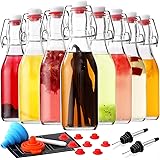
Once the primary fermentation of your homemade kombucha has been completed, the opportunity arises for flavoring and achieving that delightful effervescence that store-bought varieties are known for. This stage, often referred to as secondary fermentation, is where creativity truly comes into play. After the initial brewing, the plain kombucha liquid is carefully siphoned off, leaving the SCOBY and some starter tea behind for the next batch. It is then transferred into airtight bottles, ready for the addition of various flavorings.
Fruit is typically considered ideal for this stage because the natural sugars present in the fruit provide an additional food source for the remaining yeast in the kombucha. This renewed activity leads to the production of more carbon dioxide, which, when trapped in a sealed bottle, results in natural carbonation. After about four to five days of secondary fermentation, often at room temperature, the kombucha can develop a perfectly fizzy texture. This method not only enhances the taste but also adds an exciting effervescence to every sip of your customized homemade kombucha.
Beyond Fruit: Creative Flavor Combinations
While fruit is an excellent choice for flavoring and carbonating homemade kombucha, the possibilities for creative flavor combinations extend far beyond just berries or citrus. A wide array of ingredients can be utilized to impart unique and complex notes to your brew, allowing for endless experimentation. Herbs such as mint, basil, or ginger can infuse the kombucha with refreshing and aromatic qualities, providing a sophisticated twist. Spices like cinnamon, cardamom, or star anise can add warmth and depth, reminiscent of exotic teas.
Furthermore, various fruit juices, beyond simply sliced fruit, can be incorporated for a more intense flavor profile and reliable carbonation. Imagine if your kombucha could taste like a spiced apple cider in autumn or a tropical mango-pineapple concoction in summer. Even vegetable juices, like beet or carrot, can be used to create earthy and surprisingly delicious beverages, offering a unique take on fermented drinks. The key is to experiment with small batches to discover your favorite combinations, ensuring that each bottle of your homemade kombucha is a delightful and personalized experience.
Unlocking Significant Savings: The Economics of DIY Kombucha
The financial incentive to produce homemade kombucha is remarkably compelling, especially when considering the stark contrast in cost compared to store-bought options. As was highlighted, a single bottle purchased from a retail establishment can typically cost between $3 and $4. In sharp opposition, the cost of ingredients for a homemade batch, yielding multiple servings, often equates to only about 50 cents per bottle once the initial investment in a SCOBY is accounted for. This substantial price difference quickly accumulates, leading to considerable savings over time.
Imagine the cumulative impact if even one bottle of kombucha is consumed per day; the annual savings could easily amount to hundreds, if not thousands, of dollars. Furthermore, the recurring cost for subsequent batches decreases even further because the SCOBY itself propagates, eliminating the need for repeated purchases. This economic advantage makes making homemade kombucha not only a healthy choice but also a financially savvy one for regular consumers of the beverage. The long-term benefits clearly demonstrate that DIY kombucha is an investment that pays dividends in both health and wealth.
Embracing the Health Benefits of Fermented Tea
Beyond the economic advantages, homemade kombucha is celebrated for its potential health benefits, largely attributed to its fermentation process. As a naturally fermented beverage, kombucha is rich in probiotics, which are beneficial bacteria known to support gut health. A thriving community of beneficial bacteria is cultivated during fermentation, contributing to a balanced microbiome that is often associated with improved digestion and enhanced immune function. Many people consume kombucha specifically for these purported digestive aid properties.
Additionally, kombucha contains various organic acids, antioxidants, and vitamins, which are produced as byproducts of the SCOBY’s metabolic activity. These compounds are believed to contribute to overall well-being, including detoxification processes and general cellular health. While more scientific research is continuously being conducted, the anecdotal evidence and growing popularity suggest that homemade kombucha offers a refreshing way to incorporate these beneficial elements into one’s diet. Thus, the effort involved in making homemade kombucha is often viewed as a worthwhile investment in personal health and vitality.
Spill the Tea: Your Kombucha Questions
What is kombucha, and why should I make it at home?
Kombucha is a fizzy, probiotic-rich fermented tea. Making it at home is simple, significantly cheaper than buying it, and allows for personalized flavors.
What is a SCOBY?
A SCOBY, which stands for Symbiotic Colony of Bacteria and Yeast, is a living culture that looks like a gelatinous disc. It is essential for fermenting sweetened tea into kombucha.
What basic ingredients do I need to start making kombucha?
To begin making kombucha, you will need black tea, sugar, water, and a healthy SCOBY (Symbiotic Colony of Bacteria and Yeast). These are the fundamental components for fermentation.
Is making homemade kombucha difficult for someone new to brewing?
No, making homemade kombucha is surprisingly straightforward and considered one of the easiest fermentation projects. The process involves basic steps that anyone can master.