Demystifying Your Homebrewing Equipment: Essential Gear to Brew Like a Pro
Are you contemplating your first homebrew setup or considering an upgrade to your existing brewing arsenal? The journey into crafting your own beer at home can seem daunting, especially when faced with a dizzying array of equipment options. As highlighted in the accompanying video, understanding the difference between essential, optional, and advanced brewing gear is paramount for a successful and enjoyable experience. This guide aims to expand upon the video’s insights, helping you equip your brewery efficiently and effectively.Building Your Foundation: Essential Homebrewing Tools
To produce high-quality beer consistently, certain pieces of homebrewing equipment are simply non-negotiable. These items form the backbone of any brewing operation, from the most basic stovetop setup to more sophisticated electric systems. Without these core components, the creation of beer is significantly hampered or made impossible.A brew kettle is undoubtedly at the top of the list. This large pot is used for mashing grains and boiling wort. While a simple stock pot can suffice for beginners, dedicated electronic kettles offer precise temperature control, which is known to improve mash efficiency by upwards of 5-10%, according to many brewing experts.
For those utilizing the popular brew-in-a-bag (BIAB) method, a high-quality grain bag is essential. This allows the mash and boil to occur in a single vessel, simplifying the process and reducing the required equipment. When the mash is complete, the bag containing the spent grains is simply lifted out, leaving the wort behind for boiling.
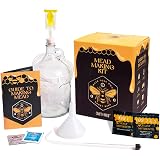
A fermenter is where the magic truly happens, transforming wort into beer. Plastic fermenters are often chosen by newcomers due to their affordability. However, a significant drawback is that plastic surfaces can become scratched over time, creating microscopic havens for microbes that might lead to infection, potentially compromising a batch of beer. Stainless steel fermenters, on the other hand, are highly recommended for their durability, ease of cleaning, and resistance to scratches, which means a lower risk of microbial contamination. While they represent a greater initial investment, the longevity and hygienic benefits are considered substantial.
An airlock is a small but crucial piece of equipment that allows carbon dioxide produced during fermentation to escape while preventing airborne contaminants from entering the fermenter. This simple device protects your developing beer from spoilage. It is only unnecessary in specialized pressure fermenters or during controlled open fermentation, though the latter requires careful management to mitigate risks.
Accurate temperature measurement is vital, especially during the mash. A thermometer ensures that the enzymes responsible for converting starches into fermentable sugars operate within their optimal range, typically between 145-158°F (63-70°C). Incorrect mash temperatures can lead to a sticky, unfermentable wort or one that is too thin, resulting in unsatisfactory beer. Many modern brew kettles include integrated thermometers, or a separate brewing thermometer can be used.
To track fermentation progress and determine alcohol content, a hydrometer is indispensable. This device measures the specific gravity of the wort and beer, providing crucial data points. Knowing when fermentation is truly complete (indicated by a stable final gravity reading) is essential to prevent packaging beer with residual sugars that could lead to over-carbonation or “bottle bombs,” a significant safety concern.
Sanitizer, though not a piece of equipment, is arguably the most critical “tool” in homebrewing. Any surface that comes into contact with cooled wort or beer must be scrupulously sanitized to prevent off-flavors or complete spoilage. No-rinse sanitizers like PBW (Powdered Brewery Wash) or diluted sodium percarbonate solutions are widely preferred for their effectiveness and convenience. A study published in the *Journal of the Institute of Brewing* emphasized that proper sanitation protocols can reduce batch infection rates by as much as 90%.
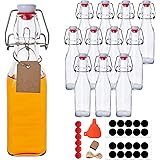
Moving beer from one vessel to another, or into bottles or kegs, requires a siphon, tubing, and often a bottling wand. These tools allow for gentle transfer, minimizing oxygen exposure which can stale finished beer. For bottling, a bottle capper and lids are required, or swing-top bottles can be used. Carbonation drops or priming sugar are also necessary to facilitate secondary fermentation in the bottle, producing natural carbonation.
A sturdy stirring spoon is needed to mix grains thoroughly in the mash or dissolve extracts. Stainless steel spoons are preferred over plastic as they are easier to clean, tolerate high temperatures, and do not scratch as easily, thus reducing potential hiding spots for microbes. Dedicated brewing spoons should ideally be kept separate from kitchen utensils to prevent cross-contamination.
Finally, heating and cleaning solutions complete the essentials. Efficient heating is necessary for boiling large volumes of liquid, often achieved via a stovetop, propane burner, or integrated electric elements in kettles. Specialized cleaning chemicals like PBW are highly effective for removing stubborn brewing residues. While bleach can be used on some surfaces, it is generally advised against for stainless steel due to its corrosive properties and the risk of leaving chlorine off-flavors if not thoroughly rinsed.
Enhancing Your Brew Day: Optional Homebrewing Gear
Once the core essential equipment is acquired, various optional items can significantly improve the homebrewing experience, making brew days smoother and allowing for greater control over the process. These pieces are not strictly necessary to make beer, but they often enhance convenience or the quality of the final product.A grain mill, while not strictly required as most homebrew shops offer milling services, provides the flexibility to buy whole grains in bulk and mill them just before brewing. This ensures maximum freshness and allows brewers to fine-tune their crush size, which can impact mash efficiency. Uncrushed grain, when stored properly, maintains its fermentable potential for several months longer than pre-milled grain.
Rapidly cooling wort after the boil is critical to prevent bacterial contamination and promote a clean fermentation. An immersion wort chiller accomplishes this by circulating cold water through a coil submerged in the hot wort. While ice baths or no-chill containers are viable alternatives, a wort chiller can reduce cooling time significantly, often from several hours to under 30 minutes, an efficiency gain of approximately 80%.
Hop bags or sieves are incredibly useful for containing hops during the boil or dry hopping. This prevents hop matter from entering the fermenter, reducing sediment and aiding clarity in the final beer. It also simplifies the cleanup process post-boil.
Yeast starters, although not equipment, represent an optional process that can dramatically improve fermentation health. By growing a larger, more vigorous yeast colony before pitching, brewers can ensure a faster, more complete fermentation. This is especially beneficial for higher gravity beers or when using older yeast, helping to reduce the risk of stalled fermentations and off-flavors caused by under-pitching.
Organization is often overlooked but profoundly impacts brewing enjoyment. Storage containers and jars help keep brewing salts, finings, and other small ingredients neatly organized. Mason jars, for instance, are excellent for yeast harvesting and propagation. Reusing food-grade jars for chemicals or dry malt extract also minimizes clutter in the brewing space.
Spray bottles, filled with diluted sanitizer, offer a convenient and economical way to sanitize smaller tools and surfaces quickly. Rather than submerging an entire item, a targeted spray can be just as effective, conserving sanitizer and time. This method is particularly useful for sanitizing fermenter lids or hydrometer tubes before use.
A second fermenter or racking vessel is highly advantageous for bulk aging or conditioning beer. This allows the beer to be transferred off the yeast cake after primary fermentation, preventing autolysis (yeast breakdown) which can impart savory or rubbery off-flavors if the beer sits on the yeast for more than about a month. Furthermore, a secondary vessel simplifies batch priming for carbonation, ensuring a more consistent carbonation level across all bottles.
Diving Deeper: Advanced Homebrewing Equipment
For the truly dedicated homebrewer looking to achieve professional-level results, certain advanced pieces of equipment offer unparalleled control and precision. These items often involve a steeper learning curve and a more significant financial investment but open up new avenues for experimentation and quality improvement.Fermentation temperature control is arguably the most critical factor for producing excellent beer. While a stable room temperature or seasonal brewing can work, a dedicated fermentation chamber (often a repurposed fridge or freezer with an external temperature controller like an Inkbird) provides exact control over fermentation temperatures. This precision allows brewers to brew any style of beer, regardless of ambient conditions, and consistently produce clean, flavorful beers by mitigating temperature-induced off-flavors. Data from brewing competitions often show that medal-winning beers typically come from brewers who meticulously manage fermentation temperatures.
A pH meter is utilized to measure the pH of the mash, a factor with significant impact on enzyme activity and overall mash efficiency. Optimizing mash pH, typically within the range of 5.2-5.6, can increase fermentable sugar extraction and improve beer clarity and flavor stability. While initial calculations can estimate pH, a meter provides precise, real-time data, allowing for adjustments with brewing salts or lactic acid to fine-tune the mash environment. However, proper calibration and storage of pH meters are required for accurate readings.
Pumps facilitate the transfer of wort between vessels, particularly useful for larger multi-vessel systems or when gravity feeding isn’t feasible. They also enable wort recirculation during the mash, which can improve clarity and extraction. While they add complexity and additional cleaning steps, pumps significantly reduce the manual labor involved in transferring hot liquids and enable specialized chilling methods.
A plate chiller is an advanced heat exchanger that rapidly cools wort as it is transferred from the boil kettle to the fermenter. Cold water flows in one direction, while hot wort flows in the opposite, exchanging heat efficiently. This method provides superior cooling capabilities compared to immersion chillers, often cooling wort to pitching temperature in minutes. However, plate chillers are more challenging to clean and sanitize due to their intricate internal structure, necessitating diligent backflushing and chemical cleaning regimens to prevent contamination.
For highly controlled fermentations, an oxygen tank and carbonation stone are employed to precisely oxygenate wort before pitching yeast. Yeast requires a certain amount of dissolved oxygen at the start of fermentation to grow and reproduce effectively. While shaking the fermenter can provide some oxygen, a controlled injection via a carbonation stone ensures optimal oxygen levels, leading to healthier yeast and a cleaner, more complete fermentation, particularly for higher gravity beers where yeast stress is more pronounced.
Finally, kegging equipment represents a significant upgrade for many homebrewers who tire of bottling. A home kegging system typically includes several kegs, a CO2 tank, a regulator, and tap lines. While there is an initial learning curve and investment, kegging offers immense convenience, allowing for force carbonation in a matter of days rather than weeks, and providing freshly poured beer on tap. It also simplifies cleanup and reduces bottling day labor by a substantial margin, often cited as saving brewers 50-70% of packaging time.
Brewing Up Answers: Your Homebrew Gear Q&A
What essential equipment do I need to start homebrewing?
To begin homebrewing, you’ll need essential items like a brew kettle, a fermenter, an airlock, a thermometer, a hydrometer, and sanitizer. These tools are fundamental for making beer at home.
What is a brew kettle used for in homebrewing?
A brew kettle is a large pot used for mashing grains and boiling the wort, which are critical steps in the beer-making process. A simple stock pot can work for beginners.
Why is a fermenter important for making beer?
The fermenter is where the wort transforms into beer as yeast converts sugars. It’s crucial for providing a sealed environment where fermentation can occur safely, allowing CO2 to escape while keeping contaminants out.
Why is sanitation so important when homebrewing?
Sanitation is vital to prevent bacteria or wild yeasts from spoiling your beer and causing off-flavors. Any surface that touches cooled wort or beer must be thoroughly sanitized to ensure a clean and successful batch.
How can I tell when my beer has finished fermenting?
You can determine if fermentation is complete by using a hydrometer to measure the specific gravity of your beer. A stable reading over a few days indicates that the yeast has finished converting the sugars.