Are you tired of the endless cycle of cleaning, sanitizing, filling, and capping dozens of bottles after every homebrew batch? If so, the world of **homebrew kegging** might be calling your name. As expertly demonstrated in the video above, transitioning from bottling to kegging can revolutionize your brewing experience, making it faster, easier, and ultimately more enjoyable.
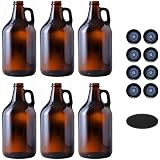
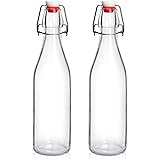
Bottling beer certainly has its charm, offering a connection to traditional methods and a deep appreciation for the hard work involved. However, for many homebrewers, the sheer time commitment and the occasional dreaded “bottle bomb” can quickly erode that motivation. This is where the simplicity and consistency of kegging your homebrew truly shines.
Why Homebrew Kegging Is a Game-Changer
The primary appeal of **kegging homebrew** lies in its incredible convenience. Instead of processing 50 or more individual bottles, a single five-gallon keg becomes your large vessel, significantly cutting down on cleanup and filling time. This method also provides precise control over carbonation levels, ensuring your brew has the perfect fizz every time without the risk of unwanted explosions.
While the initial investment in kegging equipment might seem daunting compared to reusing glass bottles, it does not have to break the bank. Many cost-effective options are available, including sourcing used equipment or building a DIY kegerator. Ultimately, the long-term time savings and enhanced enjoyment are considered priceless by those who make the switch.
Understanding Your Homebrew Kegging Setup
To successfully keg your homebrew, a few essential components are needed. These foundational pieces work together to store, carbonate, and dispense your beverage with ease. Familiarity with these items is key to a smooth transition.
The Humble Keg: Your Brew’s New Home
At the heart of any kegging system is the keg itself. For homebrewers, the most popular choice is the Cornelius keg, often called a “Corny keg.” These were originally used for dispensing soda and are now widely adopted for homebrewing due to their robust design and ease of use.
Corny kegs are typically available in 5-gallon sizes, ideal for standard homebrew batches, though smaller or larger capacities can also be found. They come in two main types: ball lock and pin lock. While the choice between them does not significantly impact performance, consistency in your chosen type is often recommended to simplify parts management. Used kegs can be a fantastic value, often found for around $30 to $60 on community marketplaces or at local homebrew stores. It is a good practice to replace the gaskets and O-rings on older kegs for a tight, reliable seal under pressure, a small investment that costs only a couple of dollars.
The CO2 Tank: The Source of Bubbles
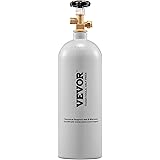
Carbon dioxide, or CO2, is what gives your beer its delightful effervescence. This gas is stored under high pressure in a dedicated CO2 tank. Tanks are commonly available in 5-pound or 10-pound sizes, with the 10-pound option often lasting between six to nine months for active brewers.
Acquiring a used CO2 tank can also be cost-effective, with prices often around $50. Once acquired, tanks need to be filled, a service typically provided by welding supply shops or sometimes by local homebrew stores. It is important to remember that tanks are usually swapped out for pre-filled ones, so personalizing your tank with stickers might be a temporary endeavor.
The Pressure Regulator: Precision Carbonation Control
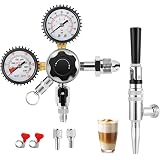
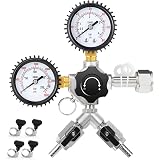
A pressure regulator is an indispensable piece of equipment, attaching directly to the CO2 tank. Its function is to reduce the high pressure from the tank to a specific, manageable PSI (pounds per square inch) that is then applied to the keg. This controlled pressure is crucial for determining how carbonated your beverage becomes.
Reliability is key for a regulator, as accurate pressure measurement ensures consistent results. While a quality regulator can cost around $70, it is a long-term investment that provides precise control over your beer’s carbonation. Always remember to detach the regulator before taking your tank for a refill.
Pouring and Dispensing: Getting Beer to Glass
Once your beer is carbonated, you need a way to serve it. This involves a few simple accessories that connect your CO2 tank and regulator to your keg, and then your keg to a tap.
-
Gas Line: This tubing connects the regulator to the “gas in” post on your keg, delivering the CO2.
-
Gas Quick Connect: A specialized connector, either ball lock or pin lock, designed to quickly attach and detach the gas line to the keg’s gas post.
-
Liquid Line (Beer Line): This tubing connects the “liquid out” post on your keg to your tap. Vinyl is a popular and inexpensive material for starter setups.
-
Liquid Quick Connect: Similar to the gas connect, this attaches the liquid line to the keg’s liquid post. The liquid post has a dip tube that extends to the bottom of the keg to draw out the beer.
-
Tap: The simplest option is a cobra or picnic tap, which is highly portable and affordable. More permanent solutions are used with kegerators.
-
Hose Clamps: These are essential for securing all tubing connections, preventing leaks of precious beer or gas. A quick check for leaks can be performed by spraying Star San solution on connections; any bubbling indicates a leak needing tightening.
Carbonating Your Homebrew Beer
The process of carbonating your homebrew involves introducing CO2 into the cold liquid in the keg. Over time, the CO2 absorbs into the beer, creating the desired fizz. The amount of pressure and temperature are critical factors in achieving perfect carbonation. Online charts and calculators are readily available to help determine the ideal PSI for various beer styles and temperatures.
A common starting point is setting the pressure to 10 PSI, which typically results in full carbonation within about seven days. For those eager to enjoy their brew sooner, accelerated carbonation methods can be employed:
-
Force Carbonation: A higher pressure, such as 40 PSI, can be applied for a shorter period, often 24 hours. After this initial period, the pressure is released, and the regulator is dialed back to the serving pressure (e.g., 10 PSI). Good carbonation can be achieved within a day or two using this method.
-
Rock and Shake Technique: This method involves applying pressure and then gently shaking or rocking the keg for several minutes. While effective for rapid carbonation, some brewers approach it with caution due to concerns about potential over-carbonation or accelerated oxidation.
Should your beer become over-carbonated, the issue is easily remedied. Simply pull the pressure relief valve on the keg, or gently push in the poppet on the gas side, a few times a day until the pressure is reduced to your desired range. This is a common and straightforward adjustment.
For a perfect, foamless pour, the length of your liquid line is also important. A 10-foot liquid line is often considered the sweet spot for a 10 PSI serving pressure, as it provides enough restriction to prevent excessive foaming. Gas lines, by contrast, can be any length required to reach the keg.
Building Your Dream Homebrew Kegerator
While basic kegging setups allow you to carbonate and dispense, maintaining cold temperatures for optimal CO2 absorption and serving can be a challenge. This is where a kegerator, essentially a mini-fridge modified to house and dispense kegs, becomes invaluable. Kegerators ensure your beer is consistently cold and ready to serve.
A DIY kegerator involves sourcing a mini-fridge large enough for your kegs and then adding a temperature controller. This controller ensures the fridge maintains the desired temperature, crucial for carbonation stability. A tap tower and tap are then installed by drilling a hole in the fridge’s top. For those limited on space, the CO2 tank can be kept outside the fridge by drilling a small hole for the gas line, though careful consideration of internal cooling coils is necessary to avoid damage.
For brewers who prefer a ready-made solution, commercial kegerators offer convenience and integrated design. The NewAir Single Tap Kegerator, for example, is designed to include a CO2 tank, pressure regulator, and all necessary tap assembly parts, often with pre-drilled holes for external CO2 tank placement. Such units provide peace of mind and often more reliable performance compared to a self-assembled system. These types of professional setups often boast ample interior space, allowing for potential upgrades to multiple taps in the future.
Even with a pre-built kegerator, minor adjustments like swapping liquid lines for optimal length (e.g., 10 feet) or changing quick connects to match your specific keg type (ball lock or pin lock) might be needed. It is important to note that kegs themselves are usually purchased separately.
Maintenance and Long-Term Enjoyment of Homebrew Kegging
The long-term benefits of **kegging homebrew** extend beyond initial setup. The time saved is substantial, with a five-gallon batch often able to be kegged in as little as 15 minutes, leading to fully carbonated beer ready in a day. This represents a saving of at least two weeks compared to traditional bottling methods.
Ongoing costs primarily involve refilling your CO2 tank and occasional replacement of parts, such as tubing, which should ideally be changed annually to maintain hygiene and prevent off-flavors. Regular cleaning and sanitizing of your keg between batches are also paramount. While a full disassembly of keg posts for deep cleaning is recommended periodically, a thorough soak with a cleaner like PBW followed by a sanitizer like Star San is often sufficient for routine cleaning.
Ultimately, pouring your own perfectly carbonated homebrew from a tap in your home is a uniquely satisfying experience. It often reinvigorates the passion for brewing, encouraging experimentation and the eventual expansion of your home brewery. The journey into homebrew kegging is a rewarding one, transforming a sometimes tedious process into a seamless and enjoyable part of the brewing hobby.
Pouring Out Answers: Your Homebrew Kegging & Kegerator Q&A
What is homebrew kegging?
Homebrew kegging is a method of storing, carbonating, and dispensing your homemade beer from a single large container called a keg, rather than using many individual bottles.
Why should I switch from bottling to kegging my homebrew?
Kegging offers greater convenience by significantly cutting down on cleaning and filling time. It also provides precise control over carbonation levels, ensuring your beer has the perfect fizz without the risk of bottle explosions.
What essential equipment do I need to start kegging homebrew?
To begin kegging, you’ll need a Cornelius (Corny) keg to hold your beer, a CO2 tank for the gas, a pressure regulator to control the CO2 flow, and various lines and a tap for dispensing.
How is homebrew carbonated when using a keg?
Homebrew is carbonated in a keg by introducing CO2 gas from a tank into the cold beer under controlled pressure. Over time, the CO2 absorbs into the liquid, giving your beer its desired fizziness.