Deconstructing the Craft a Brew NEIPA Kit: Essential Components
The foundation of any successful brew lies in its ingredients. For those embarking on their NEIPA journey with a pre-packaged kit, a clear understanding of each component’s role is paramount. The Craft a Brew kit, as detailed in the video, provides a well-curated selection, each contributing to the beer’s ultimate character. * **Hopstand Hops (Citra, Mosaic, Simcoe):** These varietals are quintessential to the NEIPA profile. Citra is renowned for its intense grapefruit, lime, and tropical fruit notes. Mosaic brings a complex array of blueberry, tangerine, and dank undertones. Simcoe often contributes pine, passionfruit, and earthy characteristics. Their inclusion as “hopstand” hops signifies their post-boil addition, designed to extract maximal aromatic oils and minimal bitterness, a hallmark of the NEIPA style. * **Dry Hop Hops (x2):** The dual dry-hop schedule is a non-negotiable for NEIPAs, ensuring layers of fresh hop aroma and contributing significantly to haze stability. These later additions introduce volatile hop compounds that would be lost during a hot boil, creating that “juicy” bouquet. * **Specialty Grains:** While not explicitly detailed in the video transcript, NEIPA specialty grains typically include flaked oats, flaked wheat, or malted wheat. These adjuncts are crucial for contributing proteins and beta-glucans, which enhance body, mouthfeel, and, critically, the stable haze characteristic of the style. Steeping these grains extracts fermentable sugars and complex carbohydrates. * **Malt Extract:** This concentrated syrup provides the primary fermentable sugars for the yeast. In NEIPAs, a lighter colored malt extract is often preferred to maintain a pale base that allows the hop characteristics to truly shine. * **Yeast:** The choice of yeast strain heavily influences the NEIPA’s final flavor and aroma. NEIPA-specific strains are known for their ability to produce fruity esters that complement hop characteristics, as well as their lower flocculation rates, which aid in maintaining haze. * **Sanitizer:** Absolutely indispensable, sanitizer ensures that no unwanted microorganisms contaminate the wort, preventing off-flavors and spoilage. Imagine if even a minuscule bacterial colony took root; the entire batch, after hours of dedicated work, could be rendered undrinkable.The Brewer’s Arsenal: Essential Equipment for a Hazy IPA
Beyond the kit, a precise homebrewing operation requires specific tools. The video highlights several pieces of equipment, each playing a vital role in maintaining hygiene, controlling temperature, and facilitating the brewing process. * **Funnel with Strainer:** Critical for transferring wort while filtering out hop particulate and trub, ensuring a cleaner fermentation. * **Mixing Spoon:** Essential for stirring, particularly during malt extract addition, to prevent scorching at the bottom of the pot. * **Spray Bottle & Sanitizer:** For quick, on-the-fly sanitization of smaller tools and surfaces that contact the wort after boiling. * **Carboy with Cap:** The primary fermentation vessel where the magic happens. A cap provides an airtight seal. * **Stock Pot:** For heating water, steeping grains, and boiling the wort. A substantial size is necessary to accommodate liquid volume and prevent boil-overs. * **Spring Water (2 Gallons):** Water chemistry significantly impacts beer flavor. Spring water typically offers a neutral base. Brewers crafting NEIPAs often adjust their water profile with calcium chloride and gypsum to enhance mouthfeel and hop expression, a more advanced consideration for future brews. * **Airlock & Blow-Off Assembly:** The airlock allows CO2 to escape during fermentation without allowing air (and contaminants) to enter. For vigorous fermentations, a blow-off assembly with a mason jar is crucial to prevent the airlock from clogging and potentially causing pressure buildup. * **Hops Spider:** A mesh container used to contain hops during the hop stand, making them easier to remove and preventing excessive hop particulate from entering the fermenter.Mastering the Hot Side: Steeping, Boiling, and Hop Stands
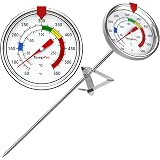
The initial stages of brewing, often referred to as the “hot side,” lay the groundwork for the beer’s body, color, and foundational bitterness. Precision at these steps is crucial for a quality New England IPA. The journey begins by filling a stock pot with **1.5 gallons of water**, then heating it to **155 degrees Fahrenheit**. This specific volume accounts for evaporation during the brewing process, aiming for a final gallon of wort. Maintaining the temperature below **160 degrees Fahrenheit** during the steeping of specialty grains is paramount. Exceeding this threshold risks extracting undesirable tannins from the grain husks, which can impart an astringent, tea-like flavor to the finished beer, compromising the desired smooth character of a NEIPA. The **20-minute steeping period** ensures optimal extraction of color and flavor compounds without over-extraction. Subsequently, the grains are removed from the wort, taking care *not* to squeeze the cheesecloth, further preventing tannin release. Following steeping, the wort is brought to a rolling boil at **212 degrees Fahrenheit**. At this juncture, the malt extract is slowly introduced while continuously stirring. This meticulous process prevents the sugars from scorching and adhering to the bottom of the pot, which could lead to caramelized off-flavors. Once the malt extract is fully dissolved and the wort returns to a boil, it is allowed to boil for **20 minutes**. This boil serves multiple purposes: sterilizing the wort, concentrating the sugars, and initiating any necessary hop isomerization if bittering hops were added (though often minimized in NEIPAs). After the primary boil, the heat is removed, and the wort is allowed to naturally cool to **180 degrees Fahrenheit**. This temperature marks the beginning of the crucial “hop stand” or “whirlpool” phase, a cornerstone of NEIPA brewing. At **180 degrees Fahrenheit for 30 minutes**, the aromatic hop varieties (Citra, Mosaic, Simcoe) are introduced. This lower temperature minimizes alpha acid isomerization, meaning less bitterness is extracted, while simultaneously maximizing the dissolution of volatile hop oils responsible for the intense fruity and dank aromas. Furthermore, any instruments that will subsequently contact the wort *must* be rigorously sanitized, as the boiling phase is concluded, and the liquid is now vulnerable to microbial contamination.The Cold Side: Cooling, Yeast, and Fermentation’s Genesis
Transitioning from the hot side to the cold side requires swift action and meticulous sanitation to protect the wort from spoilage and prepare it for yeast. The next critical step involves rapidly cooling the wort down to **70 degrees Fahrenheit** using an ice bath. This rapid chilling, often referred to as a “cold break,” helps to precipitate proteins and other haze-contributing compounds, contributing to clearer beer in other styles, though for NEIPAs, residual haze is often desired. More importantly, this specific temperature is vital for yeast health. Imagine if the yeast were pitched into wort that was too hot; the extreme heat would fatally shock the yeast cells, leading to a failed or “stuck” fermentation and potentially unpleasant off-flavors. Once cooled, the sanitized wort is carefully transferred into a sanitized carboy, ensuring minimal splashing to prevent unwanted oxygen uptake at this stage. With the wort safely in the carboy and reaching the **1-gallon mark**, the yeast is introduced. Immediately following, the carboy is vigorously shaken for precisely **one minute**. This process, known as aeration, is crucial for the yeast’s initial reproductive phase. Yeast cells require oxygen to synthesize sterols, which are essential for healthy cell walls and successful fermentation. However, the exact timing is critical. If aeration extends beyond one minute, or if oxygen is introduced later in the fermentation process, it can lead to oxidation. Oxidation is a brewer’s nemesis, resulting in stale, cardboard-like, or sherry-like off-flavors that can utterly ruin the delicate hop profile of a New England IPA. Finally, the fermentation vessel is equipped with a blow-off assembly, which is essential for the typically vigorous primary fermentation of a NEIPA. This setup effectively vents the substantial volume of CO2 produced without allowing air to enter, mitigating the risk of oxidation and preventing pressure buildup that could potentially compromise the integrity of the fermenter. The carboy is then moved to a dark, cool place where it will undergo primary fermentation for **two weeks**.The Hazy Evolution: Dry Hopping for Peak Aroma and Haze
The dry-hopping schedule is a defining characteristic of the New England IPA, responsible for its explosive aroma, juicy flavor, and stable haze. This process involves adding hops to the fermenting or fermented beer, extracting aromatic compounds without bitterness. The video outlines a two-stage dry hopping regimen, critical for maximizing the complex hop character of a NEIPA. After **four days** of primary fermentation, the first batch of dry hops is introduced. This early dry hop addition often takes advantage of a phenomenon known as “biotransformation,” where active yeast strains metabolize hop compounds into new, intensely aromatic esters and thiols, contributing unique tropical and fruity notes. Subsequently, on the **10th day** of fermentation, the second batch of dry hops is added. This later addition, sometimes called “terminal dry hopping,” is intended to provide a fresh burst of hop aroma and flavor that persists into the finished beer, while also playing a role in stabilizing the beer’s characteristic haze. This staggered approach ensures a multifaceted hop profile that evolves throughout the fermentation process. Once the dry hopping schedule is complete, only four more days remain before the beer is ready for bottling, a process further detailed in a separate video from Brewnub, marking the final step in crafting your own succulent New England IPA.Demystifying the Haze: Your New England IPA Homebrew Kit Q&A
What is a New England IPA (NEIPA)?
A New England IPA is a style of beer known for its vibrant citrus and tropical fruit aromas, smooth mouthfeel, and characteristic hazy appearance. It prioritizes robust hop flavor and aroma over bitterness.
Why is sanitation important when homebrewing beer?
Sanitation is absolutely critical to prevent unwanted microorganisms from contaminating your wort or beer. Contamination can lead to off-flavors, spoilage, and ruin your entire batch.
What is ‘dry hopping’ and why is it used in a NEIPA?
Dry hopping involves adding hops to the beer after the boiling process, typically during fermentation. It’s crucial for NEIPAs to impart intense fresh hop aroma and flavor without bitterness, and it also contributes to the beer’s signature haze.
Why is it important to cool the wort quickly before adding yeast?
Rapidly cooling the wort to around 70 degrees Fahrenheit (21 degrees Celsius) is vital because if the wort is too hot, it will fatally shock the yeast cells. This ensures the yeast can properly start fermentation and prevents off-flavors.