Embarking on the journey of homebrewing can often appear as a complex and daunting endeavor for many aspiring enthusiasts. The sheer volume of information, specialized equipment, and intricate processes might understandably deter those who are just beginning. However, discovering an accessible entry point that promises quality results is entirely achievable. The video above capably introduces the beginner-friendly Brewferm beer kits, presenting an excellent solution for anyone keen to craft their own delicious beer at home without being overwhelmed by initial complexities.
This article aims to significantly expand upon the insights shared in the video, providing a deeper understanding of why Brewferm kits are ideally suited for novices and how to maximize your success in brewing your first batch. Comprehensive guidance on equipment, ingredients, and the fundamental brewing process will be offered, building upon the foundational knowledge already presented.
Demystifying Beginner Homebrewing with Brewferm Beer Kits
For individuals who possess no prior experience in brewing, the concept of homebrewing might seem inaccessible. It is precisely for this audience that Brewferm beer kits have been specifically designed, making the craft approachable and rewarding. These kits are not merely simplified versions; instead, they are thoughtfully constructed to ensure a high-quality brewing experience from the very first attempt. The philosophy behind Brewferm is to provide all the essential components and guidance necessary, allowing beginners to produce flavorful, authentic Belgian-style beers with relative ease.
A Curated Selection of Beer Styles for Every Palate
Firstly, the extensive variety of beer styles available through Brewferm is notable. Unlike generic kits that might offer a limited range, Brewferm provides a diverse selection, encompassing classic Belgian varieties and even some English styles. Prospective brewers may choose from popular options such as Witbier, Saisons, and Blonds, which are renowned for their intricate flavor profiles. More adventurous choices, including a Cherry Ale, Raspberry Ale, or a robust Imperial Stout, are also readily available. This breadth of choice ensures that personal preferences can be accommodated, fostering an enjoyable initial brewing experience that caters to individual tastes.
Essential Tools for Your First Brewferm Beer Kits Adventure
Secondly, starting your homebrewing journey necessitates some fundamental equipment. The presenter in the video highlights the components of a basic starter kit, which typically includes everything required to initiate the brewing process. A comprehensive starter kit should contain a capper for securing bottle caps, a quantity of caps, and a sterilizer for maintaining critical hygiene. Additionally, a bottle brush for thorough cleaning, a tap for transferring beer, an airlock to manage fermentation gases, a sturdy bucket for fermentation, and a beer paddle for mixing ingredients are considered indispensable. Each of these items plays a specific role in ensuring a smooth and successful brewing operation, providing the necessary tools for every stage from preparation to packaging.
Understanding the Core Components of Your Brewferm Kit
Moving forward, familiarity with the contents of a Brewferm beer kit is essential for new brewers. Typically, these kits contain 1.5 kilograms of liquid malt extract (LME), which serves as the primary source of fermentable sugars. This LME is often pre-hopped with an isomerized hop solution, meaning the bitterness and hop flavor components have already been infused, simplifying the process by eliminating the need for separate hop additions and boiling. A crucial element within the kit is the brewer’s strain of yeast, which is specifically selected for the particular beer style being produced. This careful selection contrasts sharply with generic kits that often supply a single, all-purpose yeast strain, thereby significantly enhancing the final beer’s flavor and aromatic characteristics, ensuring that the desired esters and phenols, indicative of quality Belgian styles, are properly developed.
Deciphering Key Brewing Terminology
Subsequently, certain technical terms are introduced in brewing that might initially seem perplexing to beginners. The video touches upon “starting gravity” (SG), “final gravity” (FG), and “ABV” (alcohol by volume). Starting gravity quantifies the amount of fermentable sugar present in the wort before yeast inoculation, typically measured using a hydrometer. This measurement is critical for estimating the potential alcohol content of the finished beer and for tracking the efficiency of your brewing process. Following fermentation, final gravity is measured to determine the remaining unfermented sugars. A comparison between the starting and final gravity readings allows for the calculation of the beer’s actual alcohol by volume, often facilitated by online calculators. For instance, if an initial SG of 1.050 is recorded and the FG finishes at 1.010, this significant drop indicates successful sugar conversion by the yeast, resulting in an estimated ABV of around 5.25%. Understanding these metrics empowers brewers to monitor their beer’s progress and ensures consistency in their batches, ultimately leading to more predictable and enjoyable results.
Selecting the Optimal Brewing Enhancer for Your Brewferm Kit
Another critical aspect of using Brewferm beer kits involves the selection of a brewing enhancer. For beginners, dextrose, commonly known as brewing sugar, is highly recommended due to its simplicity and effectiveness. Typically sold in 1 kg quantities, dextrose ferments completely, contributing to alcohol content without leaving residual sweetness or altering the beer’s body significantly. However, more experienced brewers might explore other options, such as Brew Enhancer 1 (a blend of dextrose and maltodextrin), Brew Enhancer 2 (containing maltodextrin, dextrose, and spray malt), or pure spray malt/liquid malt. Maltodextrin, for example, is a non-fermentable sugar that enhances the beer’s body and mouthfeel without adding to its sweetness, which can be particularly desirable in certain styles like a fuller-bodied ale. When brewing a 9-liter kit, such as the Strong Blond highlighted in the video, 500 grams of dextrose is often the recommended amount, providing sufficient fermentable sugars while also reserving some for later bottle priming.
The Paramount Importance of Sterilization and Temperature Control
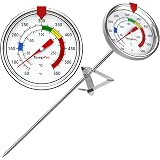
Continuing, two foundational principles for successful homebrewing are sterilization and temperature control. The acronym “SAT” (Sterile, Accurate temperature, Read instructions) concisely summarizes these imperatives. Sterilization is non-negotiable; any contamination from wild yeasts or bacteria can irrevocably spoil a batch, leading to off-flavors, sourness, or a complete lack of fermentation. Every piece of equipment that will come into contact with the wort after boiling must be meticulously cleaned and sterilized. This includes the fermenter, tap, airlock, paddle, and even the scissors used to open the yeast packet. Water tests on assembled taps, as mentioned in the video, are a pragmatic step to confirm leak-free seals, preventing later contamination risks. Moreover, maintaining an accurate and consistent fermentation temperature is vital. Yeast activity is highly sensitive to temperature fluctuations; temperatures outside the recommended range can stress the yeast, resulting in undesirable flavors (e.g., fusel alcohols at high temperatures, or incomplete fermentation at low temperatures). For instance, most ale yeasts perform optimally within a range of 18-22°C (64-72°F), and ensuring the fermenter is kept within this specific range for approximately five days will promote healthy yeast activity and a clean fermentation profile.
A Step-by-Step Guide to Brewing Your Brewferm Strong Blond
To illustrate the practical application of these principles, the video specifically demonstrates the brewing of a 9-liter Brewferm Strong Blond kit. The process begins with the sterilization of the fermenter and the secure installation of its tap, ensuring a tight seal with washers on both sides. Next, the 1.5 kg liquid malt extract, often thick and viscous, is softened by submerging the can in warm water, ideally around 40°C. This renders the LME more pourable, facilitating its transfer into the fermenter. Once opened with a can opener, the gloopy LME is added, with boiling water often used to rinse out any residual extract from the can, maximizing the yield. For the Strong Blond kit, 500 grams of dextrose enhancer is then mixed thoroughly into the LME and initial water. The mixture is subsequently topped up with cool water to the 9-liter mark, ensuring the temperature is within the yeast’s optimal range before pitching. A robust stir is then performed to oxygenate the wort, a critical step that provides the yeast with the oxygen it needs for initial healthy cell growth. Finally, the selected yeast strain is carefully sprinkled over the surface of the wort, and the airlock, half-filled with water, is securely placed on the fermenter. The airlock serves as a one-way valve, allowing carbon dioxide produced during fermentation to escape while preventing oxygen and potential contaminants from entering. This meticulous process, when executed with precision, guarantees the best conditions for a successful fermentation.
The Journey from Fermentation to Enjoyment
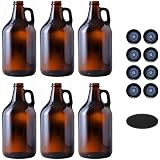
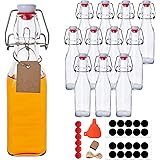
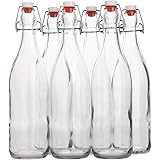
Lastly, after pitching the yeast, the fermenter should be stored in a warm, stable environment for approximately five days, allowing the yeast to convert sugars into alcohol and carbon dioxide. During this period, the characteristic bubbling of the airlock, a therapeutic sound often noted by brewers, signifies active fermentation. Once fermentation appears complete, a sample can be drawn from the fermenter tap and tested with a hydrometer to confirm the final gravity. This measurement verifies that the yeast has finished its work and the beer is ready for the next stage: packaging. Brewers have options for packaging, including thoroughly cleaned and sterilized bottles, sealed with caps using a capper, or 5-liter maturing barrels. Specific priming sugar dosages for both bottles and barrels are detailed in the kit instructions to ensure proper carbonation. Following packaging, a conditioning period of one to two weeks is recommended. This allows the beer to naturally carbonate and for its flavors to mature and mellow, resulting in a well-rounded and enjoyable final product. These Brewferm beer kits genuinely aim to make good beer accessible, empowering beginners to create their own satisfying brews.
Brewing Up Answers: Your BrewFerm Beginner Q&A
What are Brewferm beer kits for?
Brewferm beer kits are designed for beginners to easily make delicious, quality Belgian-style beers at home. They provide all the necessary components and guidance to simplify the brewing process.
What basic equipment do I need to start homebrewing with a Brewferm kit?
You will need a basic starter kit that typically includes a fermenting bucket, an airlock, a tap, a capper, bottle caps, a sterilizer, and a mixing paddle. These tools are essential for the entire brewing process.
What ingredients are usually found inside a Brewferm beer kit?
A Brewferm kit typically contains liquid malt extract (LME) which is the main sugar source, and a specific brewer’s yeast strain chosen for the beer style. The LME is often pre-hopped to simplify the brewing steps.
What is a brewing enhancer, and why is it used?
A brewing enhancer, often dextrose (brewing sugar), is an additional sugar that helps increase the alcohol content of your beer. For beginners, dextrose is recommended because it ferments completely without altering the beer’s taste or body.
Why are sterilization and temperature control so important in homebrewing?
Sterilization is crucial to prevent contamination from wild yeasts or bacteria, which can spoil your beer. Accurate and consistent temperature control ensures the yeast ferments correctly, producing the desired flavors and avoiding off-tastes.