Are you ready to craft your very own delicious beer at home? The journey of home brewing begins with understanding your essential equipment. As seen in the video above, selecting the right tools is critical for success. This guide will expand on those basics. We will ensure your first batch is brewed perfectly. Learning about each piece makes the process clear.
Essential Home Brewing Equipment: Your Starter Kit
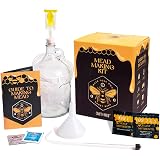
Starting a new hobby requires some investment. Home brewing is no different. A good starter kit sets you up for success. We suggest beginning with a comprehensive package. This covers your basic needs adequately. The BSG Home Brew starter kit is an excellent choice. It provides foundational pieces for beginner brewers.
The Humble Brewpot: Your Wort’s First Home
Every great beer starts with a good boil. Your brewpot is central to this stage. It acts as your large cooking vessel. The video mentioned a 5-gallon stainless steel pot. This size works for almost all extract brews. Most brewers actually use a 7.5-gallon pot. This larger size prevents messy boil-overs. It offers crucial headspace for vigorous boiling.
Material choice is very important here. Stainless steel is the industry standard. It does not impart unwanted flavors. Aluminum, for example, can leech into your brew. This might create unpleasant metallic tastes. Stainless steel is also durable. It is very easy to clean. This promotes good brewing hygiene.
Think of your brewpot like a chef’s primary stockpot. It needs to be large enough. It must handle hot liquids safely. Your ingredients will mingle here. They will form the “wort.” This is unfermented beer. This liquid will soon become your craft brew.
Primary Fermentation: Where the Magic Begins
After boiling, your wort cools down. It then moves to the fermenter. This is where yeast performs its vital work. A 7-gallon food-grade plastic fermenter is ideal. Its larger capacity prevents messes. Fermentation can be quite active. It generates a lot of foam and gas. The plastic material is safe for food contact. It is also simple to sanitize.
Yeast is a living organism. It needs a very clean environment. Sterilization of your fermenter is paramount. Any wild bacteria can spoil your beer. Imagine yeast as tiny workers. They convert sugars into alcohol. They also produce carbon dioxide. A secure, clean home keeps them happy.
This primary fermenter includes a spigot. This spigot is very convenient. It makes bottling much easier later on. The lid has a pre-drilled hole. This allows an airlock to fit perfectly. An airlock is a one-way valve. It lets CO2 escape. It keeps oxygen and contaminants out.
Secondary Fermentation and the Glass Carboy
After initial fermentation, things settle. Yeast cells begin to die off. They fall to the fermenter’s bottom. This sediment is known as “trub.” Trub also contains hop particles and proteins. Leaving beer on trub too long can cause off-flavors. These flavors might be yeasty or sulfurous.
Therefore, we transfer the beer. It moves from primary to secondary. A glass carboy is the preferred vessel. It offers a more stable environment. Glass is non-porous. It prevents oxygen from reaching your beer. This helps to clarify the beer. It also refines the flavors.
Moving your beer requires care. You do not want to disturb the trub. Pouring directly is not recommended. It mixes the sediment back in. This would make your beer cloudy. It could also introduce unwanted particles.
The Auto-Siphon: A Brewer’s Best Friend
To avoid disturbing trub, use an auto-siphon. This clever tool uses gravity. It gently transfers your beer. You simply pump it a few times. Suction then starts the flow. It acts like a quiet vacuum cleaner. This device moves your liquid smoothly. It leaves all the unwanted sediment behind. An auto-siphon ensures a clear transfer. It protects your beer’s delicate clarity.
Once the wort is in the carboy, seal it. Use a bung with an airlock. This prevents air exposure. Keeping oxygen out is crucial. It stops oxidation. Oxidation leads to stale, papery flavors. A good seal maintains your beer’s freshness. This makes your home brewing efforts worthwhile.
The Hydrometer: Measuring Your Beer’s Strength
What is beer without alcohol? It would be quite dull! Knowing your beer’s alcohol content is exciting. This is where the hydrometer comes in. It is a simple glass instrument. It measures the density of your liquid. Sugar makes liquid denser. Alcohol makes it less dense.
You take two key measurements. The first is original gravity (OG). This is measured after your boil. It tells you the initial sugar content. The second is final gravity (FG). This is measured before bottling. It shows how much sugar remains. You compare these two numbers. A simple formula reveals your alcohol by volume (ABV). This is often printed on your fermenter. You can also find charts online. The hydrometer helps you understand your brew. It confirms the yeast’s hard work.
Think of the hydrometer as a swimming person. In very sugary water, they float high. As sugar converts to alcohol, they sink lower. The difference shows how much sugar was consumed. This directly correlates to the alcohol produced. It is a vital tool for any serious brewer.
Bottling Your Craft: Capper and Bottles
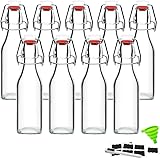
After fermentation, it’s time to package. Most homebrewers use pry-top bottles. These are standard glass beer bottles. They can withstand carbonation pressure. Ensure all bottles are spotlessly clean. Sanitation is paramount in bottling. Even small contaminants can ruin a batch.
A dual-lever capper is your closing tool. This device makes capping bottles easy. It forms a tight, secure seal. This traps the carbonation inside. Your beer will then carbonate in the bottle. This final step is crucial. It gives your beer its fizz. It completes the home brewing process.
Soon, you will enjoy your new best friend. Your homemade craft home brewing beer is ready. Always remember these pieces of home brewing equipment. They are vital for your success. Happy brewing!
Steeping in Answers: Your Home Brewing Equipment Q&A
What is a brewpot used for in home brewing?
A brewpot is a large cooking vessel where you boil your beer ingredients to create ‘wort,’ which is unfermented beer. It’s best to use a stainless steel brewpot to avoid imparting unwanted flavors.
What is the primary fermenter and what happens there?
The primary fermenter is a container where your cooled wort goes after boiling, allowing yeast to convert sugars into alcohol. It’s crucial to keep it very clean to ensure the yeast can work without spoilage.
Why is an airlock important for a fermenter?
An airlock is a one-way valve that allows carbon dioxide (CO2) gas, produced during fermentation, to escape from the fermenter. This prevents pressure buildup while keeping unwanted oxygen and contaminants from getting into your beer.
What does a hydrometer measure in beer brewing?
A hydrometer is a simple glass instrument used to measure the density of your beer liquid, which directly relates to its sugar content. By taking measurements before and after fermentation, you can calculate your beer’s alcohol by volume (ABV).
What is an auto-siphon used for in home brewing?
An auto-siphon is a tool that uses gravity to gently transfer beer from one container to another, such as from a primary fermenter to a secondary one or into bottles. This helps to leave behind unwanted sediment, ensuring your beer remains clear.